Polypropylene Fatigue Resistance
Polypropylene (PP), a general-purpose thermoplastic polymer, is widely used in various fields such as industrial manufacturing, automotive parts, and home appliances due to its excellent comprehensive properties.
Fatigue resistance is one of its core advantages, enabling it to be stably used in applications requiring high resistance to repeated loads, regardless of the addition of reinforcing materials and fillers. From a material perspective, PP's fatigue resistance is not accidental, but rather determined by its molecular structure, aggregation state characteristics, and processing modification techniques.
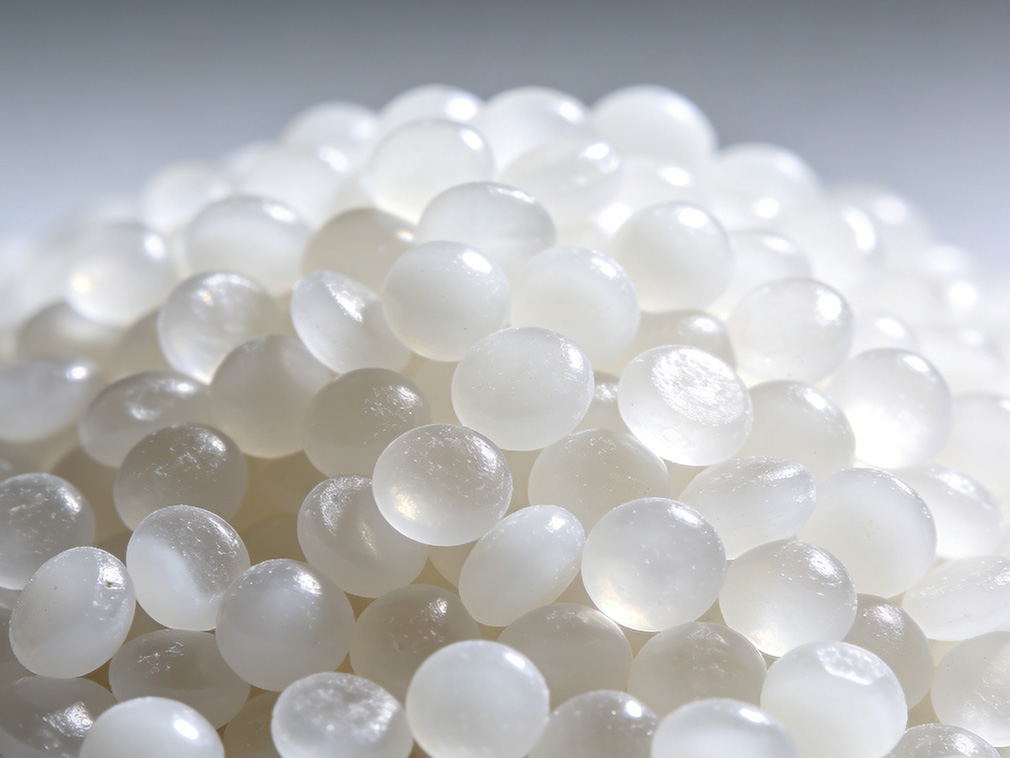
PP's fatigue resistance stems from its molecular chain structure and crystallinity. Its molecular chains are based on high-bond-energy C-C single bonds, offering high rotational freedom. This allows it to disperse stress under repeated loads through rotation and slip, preventing crack formation.
As a partially crystalline polymer, the crystalline regions provide rigidity to resist plastic deformation, while the amorphous regions ensure toughness and alleviate stress impact. Compared to other polyolefins, PP's crystallinity is more easily controlled through processing. For example, reducing the cooling rate during injection molding to optimize the spherulite structure can further improve fatigue life.
Pure polypropylene, without added reinforcing materials and fillers, already possesses the fatigue resistance required for basic high-repetitive load scenarios, enabling its application in numerous civilian and industrial sectors. In the consumer goods sector, plastic crates are typical products subjected to repeated loads. In warehousing and logistics, these crates need to repeatedly withstand the weight of goods and impact loads during handling. Pure polypropylene, with its excellent fatigue resistance, ensures that it will not crack or deform during long-term cyclic use.
In the small appliance sector, washing machine inner tub support components and refrigerator drawer slides, among others, need to withstand alternating loads through long-term repetitive motion. Components made of pure polypropylene not only resist fatigue failure but also offer advantages such as light weight and ease of molding and processing, reducing manufacturing costs.
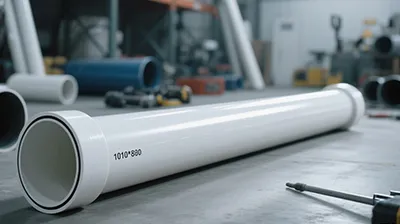
In the industrial pipeline sector, polypropylene pipelines used to transport conventional media need to withstand long-term internal pressure loads and alternating stresses caused by environmental temperature fluctuations. The fatigue resistance of pure polypropylene ensures the long-term stability of the pipeline system, preventing leaks caused by fatigue failure.
Modified polypropylene (with added reinforcing materials or fillers) exhibits even better fatigue resistance and can be adapted to even more demanding repetitive load scenarios. Common reinforcing materials include glass fiber and carbon fiber, while fillers include talc and calcium carbonate.
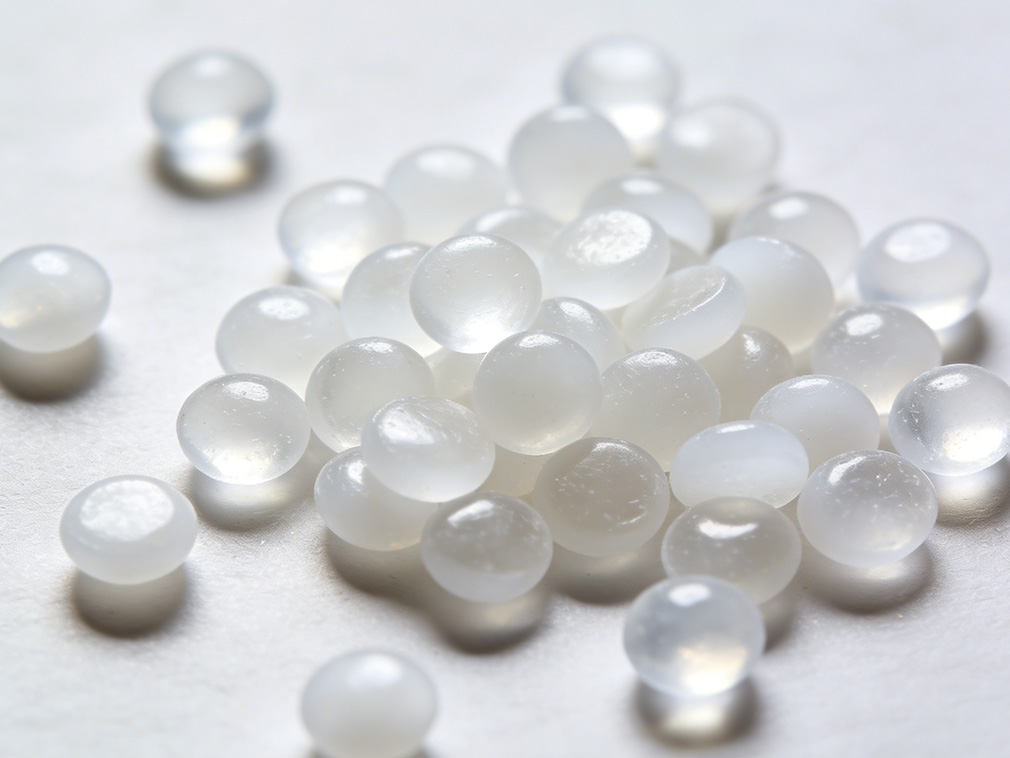
Glass fiber reinforced polypropylene (PP) is the most widely used. Its three-dimensional network structure can distribute stress and improve fatigue limits. 30% glass fiber modified PP has a fatigue life 3-5 times longer than pure PP, meeting the high-frequency, high-load requirements of applications such as automotive engine brackets. Carbon fiber modified PP has higher strength modulus, making it suitable for the lightweight and vibration-resistant load requirements of high-end equipment such as drone propeller blades. Modified PP with added reinforcing materials and fillers further enhances its fatigue resistance, enabling it to withstand more demanding high-repetitive-load scenarios and expanding the application boundaries of PP. Common reinforcing materials include glass fiber and carbon fiber, while fillers include talc and calcium carbonate.
Glass fiber reinforced PP is one of the most widely used modified varieties. Glass fiber has high strength and high modulus, forming a three-dimensional network support structure within the material. When the material is subjected to repeated loads, the glass fiber can effectively bear most of the stress, reducing the stress burden on the PP matrix and significantly improving the material's fatigue limit.
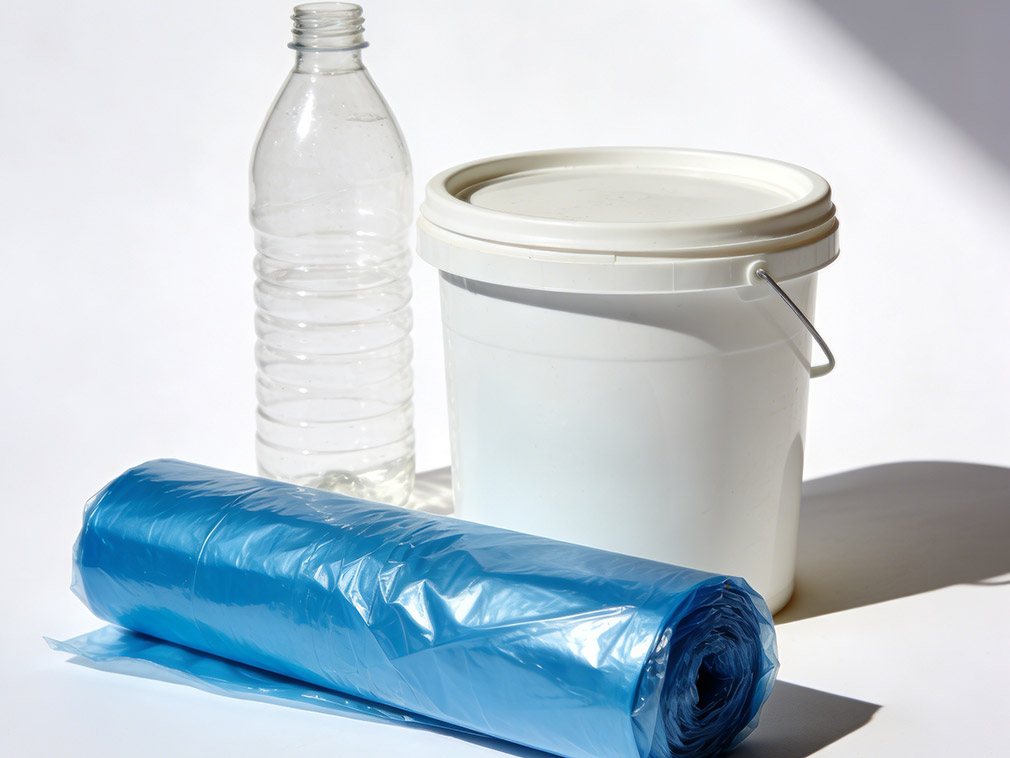
Experimental data shows that reinforced polypropylene with 30% glass fiber has a fatigue life 3-5 times longer than pure polypropylene, meeting the requirements of high-frequency, high-load alternating scenarios in the automotive industry, such as engine mounts and chassis suspension components.
Carbon fiber reinforced polypropylene, with its superior strength and modulus, is suitable for high-end equipment manufacturing, such as drone propeller blades and interior support components of high-speed trains. These components need to withstand long-term repetitive vibration loads while remaining lightweight; carbon fiber modified polypropylene perfectly balances these two requirements.
Filler modification can improve the fatigue resistance of polypropylene by optimizing the matrix structure. Commonly used talc not only reduces costs but also refines spherulites, improves crystal uniformity, and enhances stress dispersion.
For example, 20% talc-modified polypropylene shows an approximately 20% increase in fatigue strength, making it suitable for components such as automotive door panel frames that need to withstand continuous vibration. Furthermore, toughening with elastomers such as EPDM can form elastic micro-regions that absorb impact energy, inhibit crack propagation, and improve fatigue toughness, making it suitable for low-temperature repetitive load scenarios such as northern outdoor environments.
Our platform connects hundreds of verified Chinese chemical suppliers with buyers worldwide, promoting transparent transactions, better business opportunities, and high-value partnerships. Whether you are looking for bulk commodities, specialty chemicals, or customized procurement services, TDD-Global is trustworthy to be your fist choice.