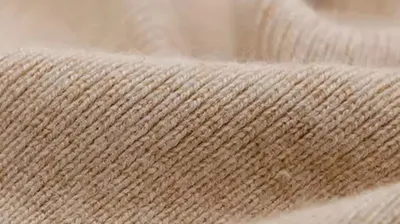
Heat-Stabilized PVC for Outdoor LEDs
Thermal stabilization modification is a tailor-made "heat-resistant armor" for PVC. The key is to add stabilizers to the PVC material. These stabilizers act like "protective guards." Some can actively capture dislodged HCl molecules, preventing them from further damaging the molecular chain.
Others can repair already minor defects in the molecular structure, slowing degradation and preventing the "damage" caused by high temperatures at the root, significantly extending the material's shelf life.
Experimental Data Speaks: 3%-5% Calcium-Zinc Complex Stabilizer Achieves a "Qualitative Transformation" in Heat Resistance
How significant is the effectiveness of this "armor"? Experimental data provides the most intuitive answer: when a precise 3%-5% calcium-zinc complex stabilizer is added to PVC, its heat resistance undergoes a "qualitative transformation."
The difference is clearly evident in a set of comparative experiments: in a laboratory environment simulating extreme outdoor temperatures, modified and unmodified PVC were placed simultaneously in a 120°C thermostat and subjected to heat aging tests for 168 hours (equivalent to a week of exposure outdoors in the scorching sun).
After 168 hours, the modified PVC material showed a remarkably stable weight loss of less than 0.3%. When weighed on a high-precision balance, the weight loss was virtually identical to its initial state. The surface, when observed with the naked eye, retained its original gloss and color, showing no signs of yellowing or darkening.
Unmodified PVC, on the other hand, had completely changed beyond recognition—weight loss exceeding 5%, a surface that became rough and dull, and easily broke with a single bend. Its original toughness had completely vanished, a stark difference visible to the naked eye.
Even more remarkable is that the modified PVC is not only durable but also boasts exceptionally stable mechanical properties: testing has shown that its tensile strength retention rate exceeds 90%, and its impact strength retention rate is over 85%. Even after long-term use in high-temperature environments, it will not become brittle or break due to aging, and can continue to provide reliable structural support for equipment.
Hidden Advantage: No heavy metal pollution, meeting stringent environmental standards
This "heat-resistant armor" has another hidden advantage—its environmental properties. Traditional PVC stabilizers often contain heavy metals such as lead and cadmium. While they provide some stabilization, these heavy metals can easily leach into soil and water during production, use, and disposal, polluting the environment and not in line with current global trends in green development.
Calcium-zinc composite stabilizers completely eliminate heavy metals and are primarily composed of calcium and zinc salts. They offer enhanced stability and are environmentally friendly throughout their lifecycle: no harmful gases are emitted during production, no toxic substances are released during use, and proper disposal reduces the environmental burden. They fully comply with stringent environmental standards such as the EU's RoHS and REACH regulations, effectively giving PVC a "green certification" that enhances its suitability for outdoor applications.
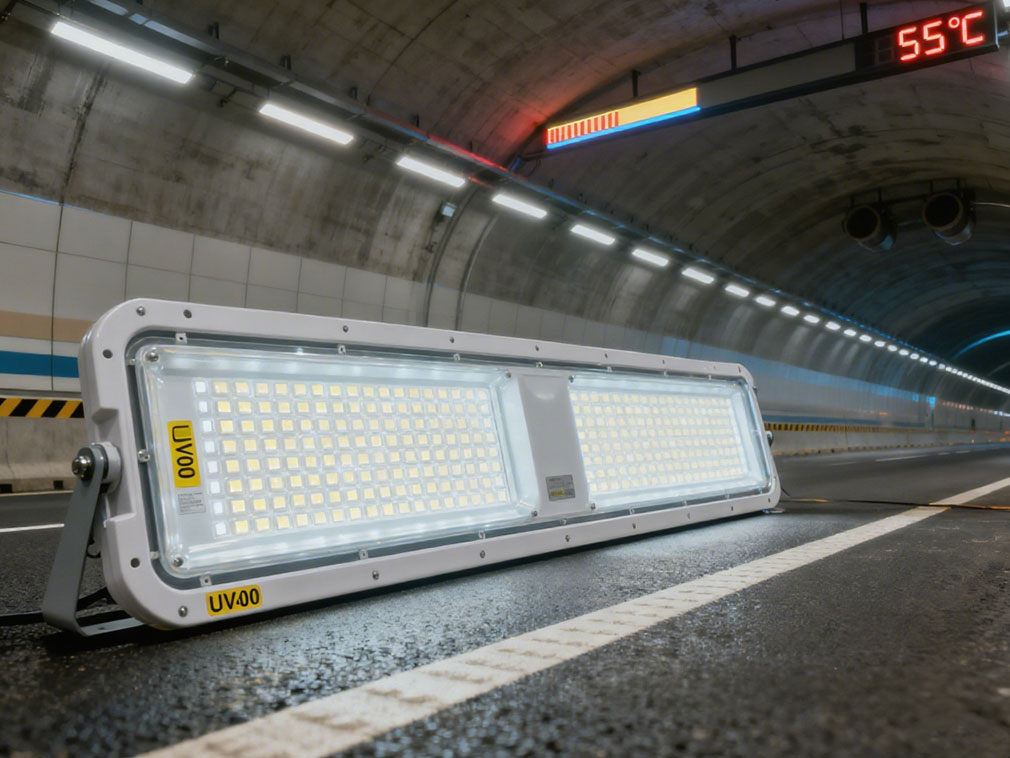
For this reason, modified PVC has become a popular choice for outdoor equipment housings and structural components, particularly in LED streetlights and tunnel lights, which are exposed to the elements for extended periods.
The "All-Around Guardian" of Outdoor LED Equipment: Coping with High Temperatures, Temperature Swings, and UV Light
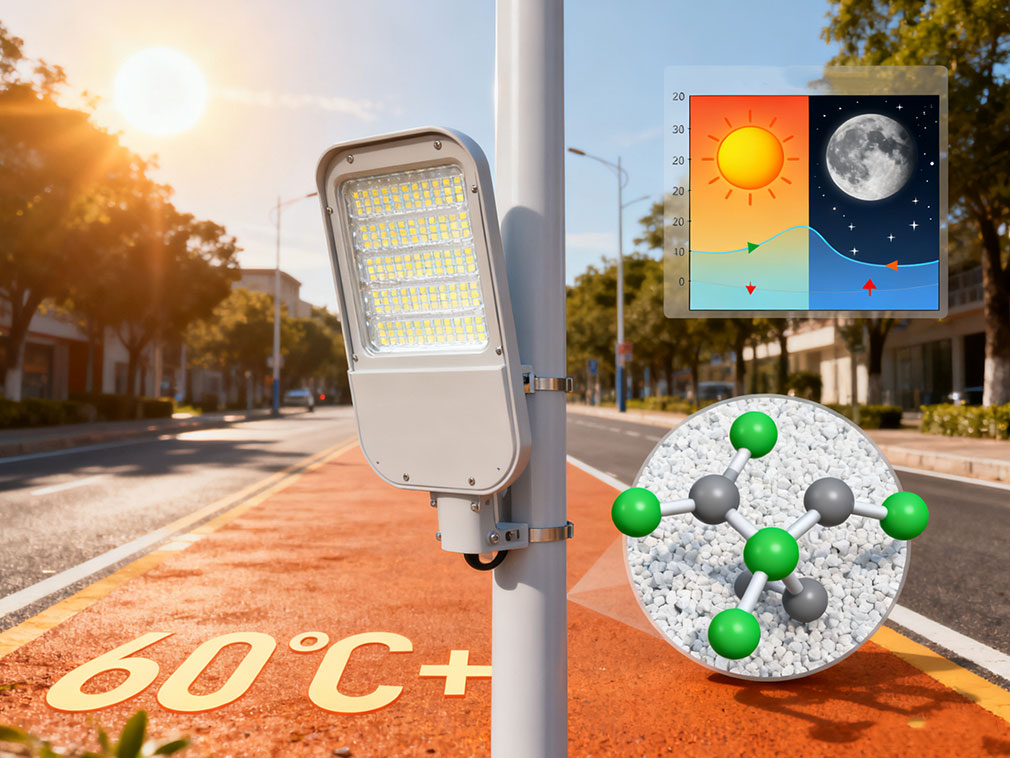
The outdoor environment presents a year-round challenge for LED devices. In summer, they must withstand the scorching sun, with surface temperatures exceeding 60°C in some areas. The LED lights themselves generate heat during operation, and this double high temperature creates a significant challenge for the heat resistance of the casing material.
In spring and autumn, when the temperature swings between day and night are significant, the high daytime temperatures cause the material to expand, while the low nighttime temperatures cause it to contract. This repeated expansion and contraction can easily lead to cracks in the casing, allowing impurities such as rainwater and dust to penetrate, causing short circuits and other faults. In winter, in the harsh cold, unmodified PVC becomes extremely brittle and cracks upon impact.
PVC, clad in "heat-resistant armor," is like equipping your equipment with an "all-around loyal guard"—it can maintain its performance in the face of high temperatures, preventing deformation of the outer shell due to softening of the material, ensuring a safe working environment for core components such as the circuit board and light source inside the LED lamp.
To cope with the temperature difference between day and night, its optimized thermal expansion coefficient can reduce the stress caused by "thermal expansion and contraction" and effectively prevent cracking of the outer shell. Even in low-temperature environments, it can maintain a certain degree of toughness, reducing the risk of damage caused by external impact.
At the same time, the calcium-zinc composite stabilizer can also work synergistically with other additives in the PVC material to enhance the material's UV resistance—outdoor ultraviolet rays can accelerate the aging of PVC molecules, causing the material to become brittle and fade. The modified PVC can effectively resist UV erosion and maintain stable performance and appearance after long-term use.
Our platform connects hundreds of verified Chinese chemical suppliers with buyers worldwide, promoting transparent transactions, better business opportunities, and high-value partnerships. Whether you are looking for bulk commodities, specialty chemicals, or customized procurement services, TDD-Global is trustworthy to be your fist choice.