High-Performance Emulsifiers: Principles, Applications & Industry Trends
In the food, cosmetics, and pharmaceutical industries, a smooth, stable emulsion product often relies heavily on a key ingredient—emulsifiers. High-performance water-based emulsifiers, represented by WN emulsifier, are a core technological element for achieving perfect oil-water blending and ensuring product quality. This article will delve into the working principles, classifications, cross-industry applications, and development trends of emulsifiers.
I. Emulsification: When Oil and Water No Longer Separate
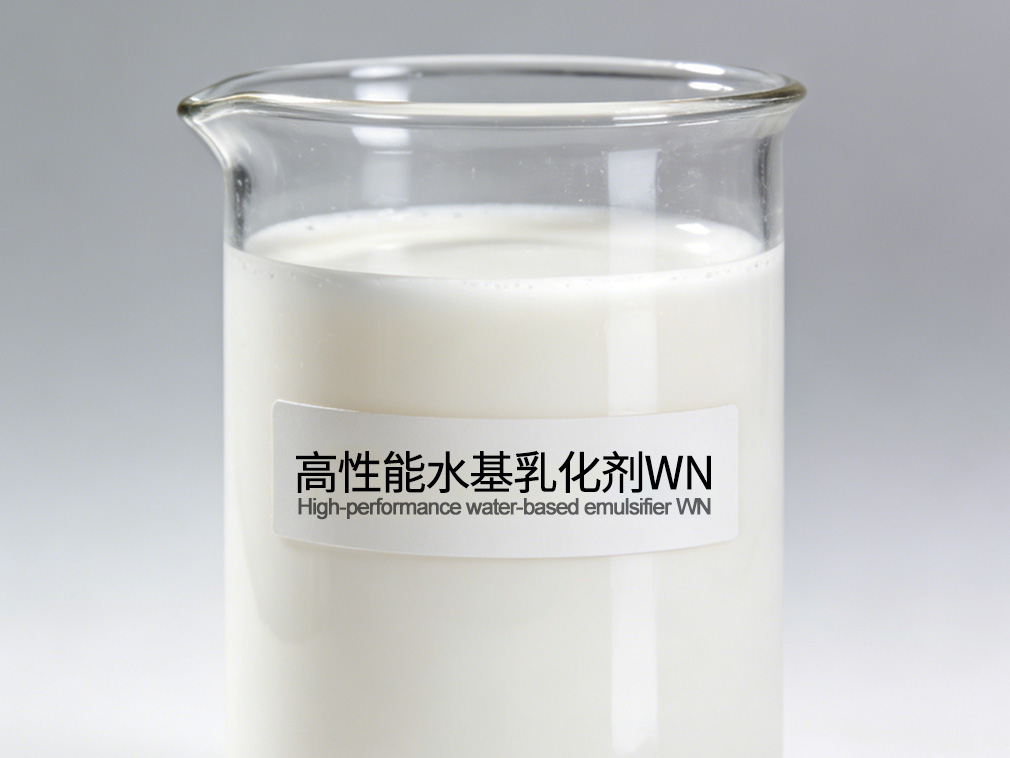
Emulsification refers to the process by which a liquid (such as oil) is uniformly dispersed in the form of tiny droplets in another immiscible liquid (such as water), forming an emulsion. However, oil and water will quickly separate under natural conditions; to achieve stable mixing, emulsifiers are necessary.
Emulsifiers are essentially surfactants with a unique amphiphilic molecular structure: one end is a hydrophilic group, which is close to water molecules; the other end is a lipophilic (hydrophobic) group, which is close to oil molecules.
When an emulsifier is added to an oil-water mixture, its molecules align at the oil-water interface, with the lipophilic end inserting into the oil droplet and the hydrophilic end extending into the aqueous phase. This significantly reduces the interfacial tension between oil and water, tightly binding the two immiscible components into a homogeneous and stable dispersion system.
II. Core Characteristics and Classification of Emulsifiers (WN)
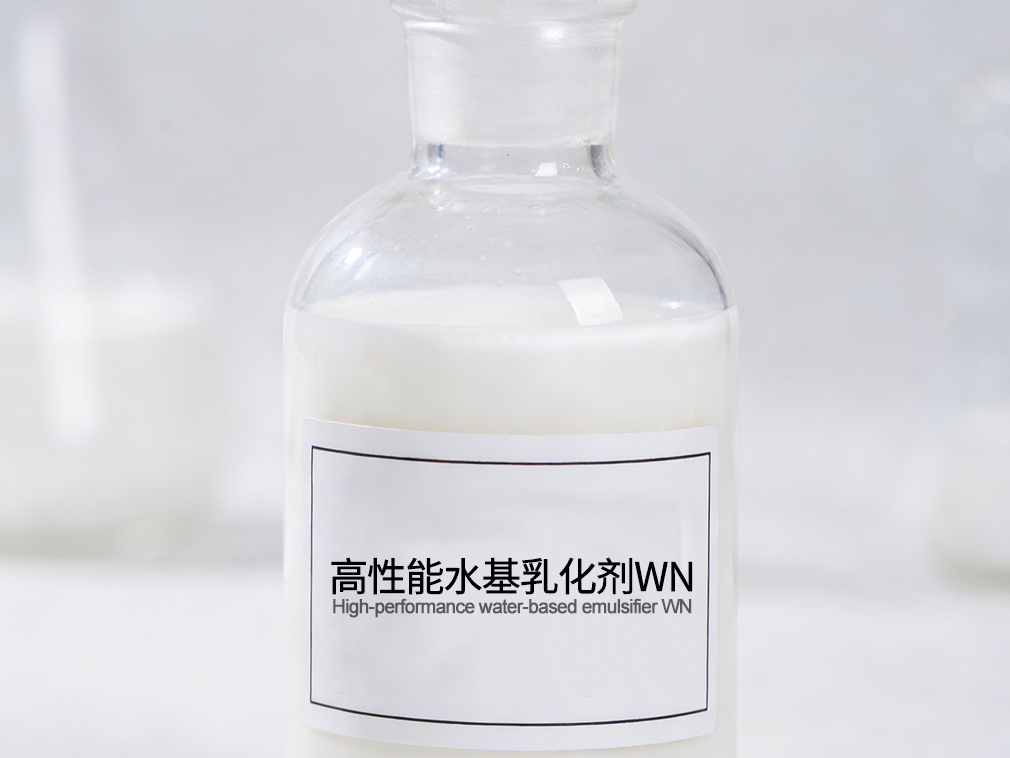
Emulsifiers (WN) belong to the nonionic surfactant category. These emulsifiers do not ionize in aqueous solutions, exhibit high stability, are not easily affected by the system's acidity, alkalinity, or metal ions, and generally have low irritation. Therefore, they are widely used in cosmetics and pharmaceuticals where mildness is crucial.
A key indicator for understanding emulsifier performance is the hydrophilic-lipophilic balance (HLB) value. The HLB value quantitatively measures the balance between the hydrophilic and lipophilic portions of the molecule, typically ranging from 1 to 20 (with an extended range). It serves as a scientific basis for selecting emulsifiers:
HLB values of 3-6: Tend to form water-in-oil (W/O) emulsions (such as butter and some creams), meaning water is dispersed in oil.
HLB value 8-18: Prefers to form oil-in-water (O/W) emulsions (such as milk and most lotion skincare products), where oil is dispersed in water.
Emulsifier WN, through its specific HLB value design, can efficiently form and stabilize O/W emulsions, which is the basis of its status as a "high-performance water-based emulsifier."
III. Cross-Industry Applications: From the Table to the Dressing Table
With its superior emulsifying and stabilizing properties, emulsifier WN plays an indispensable role in many industries related to people's livelihoods.
1. Food Industry: Texture Improver and Preservation Guardian
In food, emulsifiers are known as "coordinators between ingredients," preventing oil-water separation and ensuring consistent taste and appearance.
Baked Goods: In bread and cakes, it interacts with starch and protein, improving dough processing performance, increasing product volume, and delaying staling and hardening.
Beverages and Dairy Products: In liquid milk, soy milk, and protein drinks, it prevents fat from rising to the surface and maintains a uniform and stable system.
Candy and Ice Cream: In chocolate, emulsifiers prevent "frost" on the surface; in ice cream, they create a smooth texture and inhibit ice crystal growth.
The Joint FAO/WHO Expert Committee on Food Emulsifiers (JECFA) has conducted rigorous safety assessments of food emulsifiers. Those used according to regulations, including many synthetic emulsifiers, are considered safe.
2. Cosmetics Industry: Creators of Skin Feel and Efficacy
In skincare products (such as creams and lotions), shampoos, and shower gels, emulsifiers are at the core of building the product's basic structure.
Forming a Stable System: Emulsifiers evenly mix moisturizing oils, active ingredients, and water to form a stable emulsion with no visible oil droplets, providing a pleasant skin feel.
Achieving Solubility: Emulsifiers help oil-soluble ingredients such as fragrances and essential oils dissolve in clear toners, maintaining the product's clear appearance.
Cleansing Function: Some emulsifiers (such as some anionic types) also have cleansing and foaming functions, used in facial cleansers and shampoos.
3. Pharmaceutical Industry: A Precision Assistant for Drug Delivery Systems
In the pharmaceutical field, emulsifiers are commonly used in the manufacture of drug delivery carriers such as creams, emulsions, and liposomes. Their role is to ensure the uniform distribution of the active pharmaceutical ingredient within the carrier, improve the physical stability and bioavailability of the formulation, and guarantee accurate dosage.
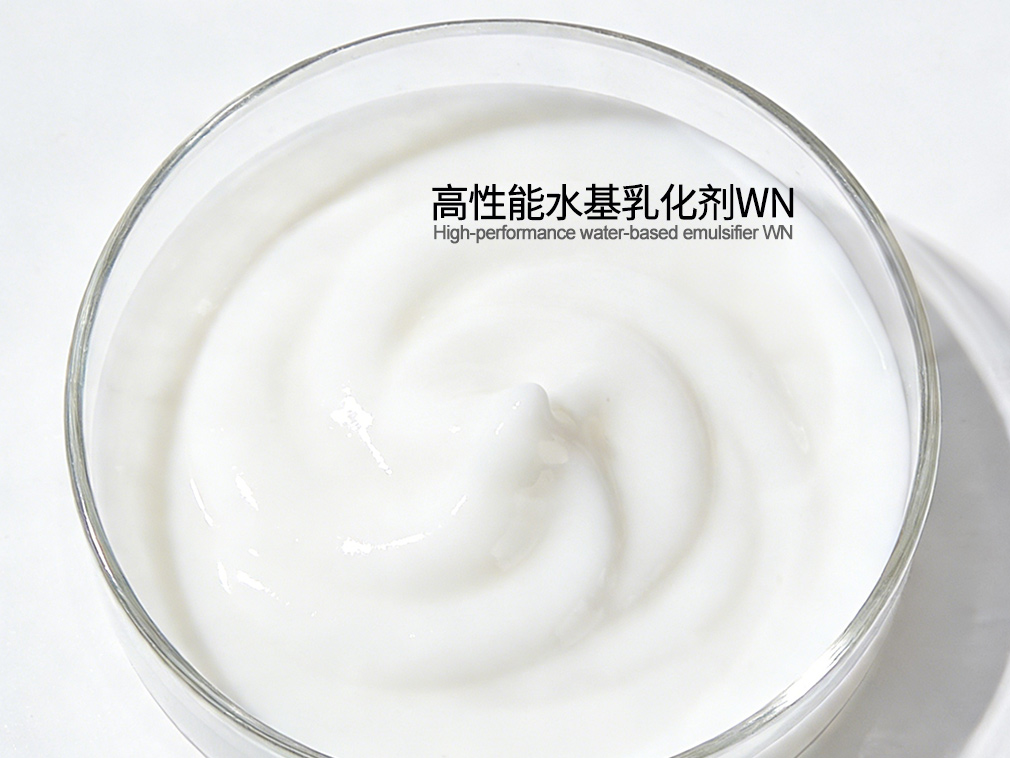
As a class of highly efficient water-based emulsifiers, WN emulsifiers are valuable because they act as "coordinators" in the microscopic world. Through precise molecular design, they solve the fundamental problem of oil-water separation in macroscopic products.
From ensuring the taste and safety of food, to enhancing the experience and efficacy of cosmetics, and to guaranteeing the stability and effectiveness of pharmaceuticals, advancements in emulsifier technology continuously drive related industries towards higher quality and more environmentally friendly development.
Our platform connects hundreds of verified Chinese chemical suppliers with buyers worldwide, promoting transparent transactions, better business opportunities, and high-value partnerships. Whether you are looking for bulk commodities, specialty chemicals, or customized procurement services, TDD-Global is trustworthy to be your fist choice.