Safe Reuse of PET Food Containers: Procedures & Guidelines
Safety Operating Procedures for Reusing PET Containers for Food Contact
PET (polyethylene terephthalate), a common food contact plastic material, is widely used in packaging for bottled water, beverages, and edible oils due to its lightweight, transparency, and impact resistance. As long as basic safety operating procedures are strictly followed, PET containers can be safely reused for food storage.
However, it is crucial to avoid high-temperature environments, follow proper cleaning methods, promptly replace damaged containers, and learn to correctly select compliant products to maximize food contact safety.
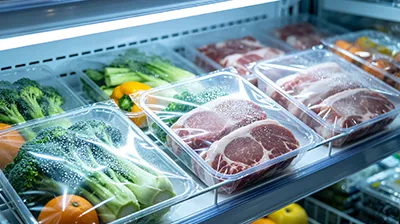
Regarding usage scenarios and temperature control, PET containers are only suitable for food storage at refrigerated and room temperature. They can be used to store fruits and vegetables, cooked foods, dried goods, sauces, and other foods that require refrigeration or room temperature, effectively isolating them from air and maintaining food freshness.
However, it is strictly forbidden to expose them to boiling water, microwave ovens, or dishwashers with temperatures exceeding 70°C. The U.S. Food and Drug Administration (FDA) clearly states that PET material is not designed for high-temperature cooking or sterilization. Its heat resistance limit is approximately 70°C.
Exceeding this temperature will damage the structural integrity of the material, potentially causing container deformation, cracking, or even the migration of small amounts of harmful substances, posing a food safety hazard. In daily use, special care should be taken to avoid placing PET containers containing food near stoves, radiators, or other high-temperature environments to prevent material damage.
Proper cleaning procedures are crucial for ensuring the safe reuse of PET containers. When cleaning, use a mild, food-grade detergent mixed with warm water at 30-40°C. Gently wipe the inside and outside of the container with a soft cloth to ensure the removal of any residual food stains and grease.
Strictly avoid using abrasive cleaning tools such as steel wool, abrasive scouring pads, and sandpaper. These tools will leave tiny scratches on the surface of the PET container. These scratches not only affect the appearance of the container but also become a breeding ground for bacteria, mold, and other microorganisms, easily leading to food contamination with long-term use.
After cleaning, thoroughly rinse the container inside and out, then invert it to air dry in a well-ventilated place to prevent residual moisture from breeding bacteria. If there are stubborn stains on the inner wall of the container that are difficult to remove, soak it in warm water for a while, then wipe it with a soft cloth. Do not use strong acid or alkali cleaners, as these may corrode the material.
Replacing damaged PET containers promptly is key to eliminating safety hazards. Regular inspections are necessary. If the container shows cracks, damage, cloudiness, deformation, discoloration, or brittleness, it should be discarded immediately.
The European Food Safety Authority (EFSA) recommends that severely damaged or aged plastic containers be discarded promptly, as structural damage increases the risk of microbial contamination and the migration of harmful substances, especially when storing acidic or oily foods. Even minor scratches should be replaced after one year of use.
Consumers should learn the correct identification methods when choosing reusable PET food containers to ensure that the products meet safety standards. First, check the bottom of the container for the "PET" or "#1" recycling code and the food contact symbol in the shape of a cup and fork. This symbol indicates that the container is safe for food contact.
Second, confirm that the product meets authoritative standards. Domestic products must comply with national standards such as GB 4806.1-2016 and GB 4806.7-2016, while imported products must comply with FDA, EFSA, or equivalent regional safety standards. Furthermore, choose products from reputable manufacturers with instructions and test reports. Avoid purchasing substandard products without labels, manufacturers, or test reports to eliminate safety risks.
In summary, the core safety considerations for reusing PET containers for food contact are strictly controlling the operating temperature, following proper cleaning methods, promptly replacing damaged containers, and choosing compliant products.
Following these safe operating procedures will not only fully utilize the advantages of PET containers' lightweight and practicality but also effectively avoid food safety hazards, protecting the dietary health of yourself and your family. In daily use, consumers should raise their safety awareness, cultivate good usage habits, and avoid negligence that could damage the material or cause microbial contamination, ensuring safe and controllable food contact processes.
Our platform connects hundreds of verified Chinese chemical suppliers with buyers worldwide, promoting transparent transactions, better business opportunities, and high-value partnerships. Whether you are looking for bulk commodities, specialty chemicals, or customized procurement services, TDD-Global is trustworthy to be your fist choice.