High-Purity Caustic Soda: Uses in Cleaning, pH Control & Chemical Manufacturing
High-purity caustic soda, chemically known as sodium hydroxide (NaOH), is an inorganic compound with strong alkalinity and corrosiveness. Its purity typically meets or exceeds the requirements of the superior grade in GB/T 209-2018 "Industrial Sodium Hydroxide" standard: solid caustic soda purity not less than 99.0%, liquid caustic soda purity not less than 32.0%, impurity content strictly controlled, and no significant harmful residues.
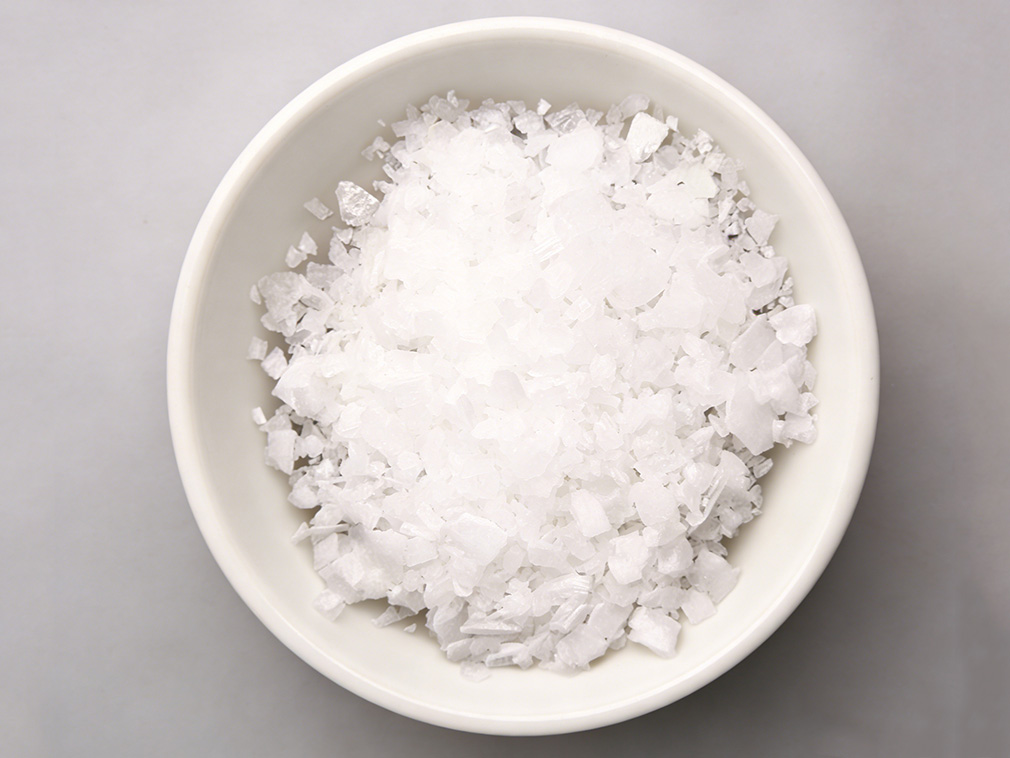
As a basic chemical raw material, high-purity caustic soda plays an irreplaceable role in three core scenarios: industrial cleaning, pH adjustment, and chemical manufacturing, widely adaptable to the production needs of multiple sub-sectors.
In the field of industrial cleaning, high-purity caustic soda, due to its strong alkalinity and saponification reaction characteristics, has become the main material for removing stubborn oil stains and organic dirt. Its principle is to convert oily dirt into water-soluble sodium fatty acids through a saponification reaction, while simultaneously emulsifying mineral oil and dissolving some inorganic contaminants, meeting the cleaning needs of various industrial scenarios.
In the metal processing industry, it is used for degreasing metal surfaces before electroplating and spraying, effectively removing impurities such as lubricating oil and rust-preventive oil from the workpiece surface, providing a clean surface for subsequent processes and preventing impurities from affecting the adhesion of plating or coating.
In the food processing industry, high-purity caustic soda is the core component of CIP cleaning agents, used to clean grease and protein residues inside pipes, tanks, and other equipment, achieving circulating cleaning in conjunction with pickling and disinfection processes.
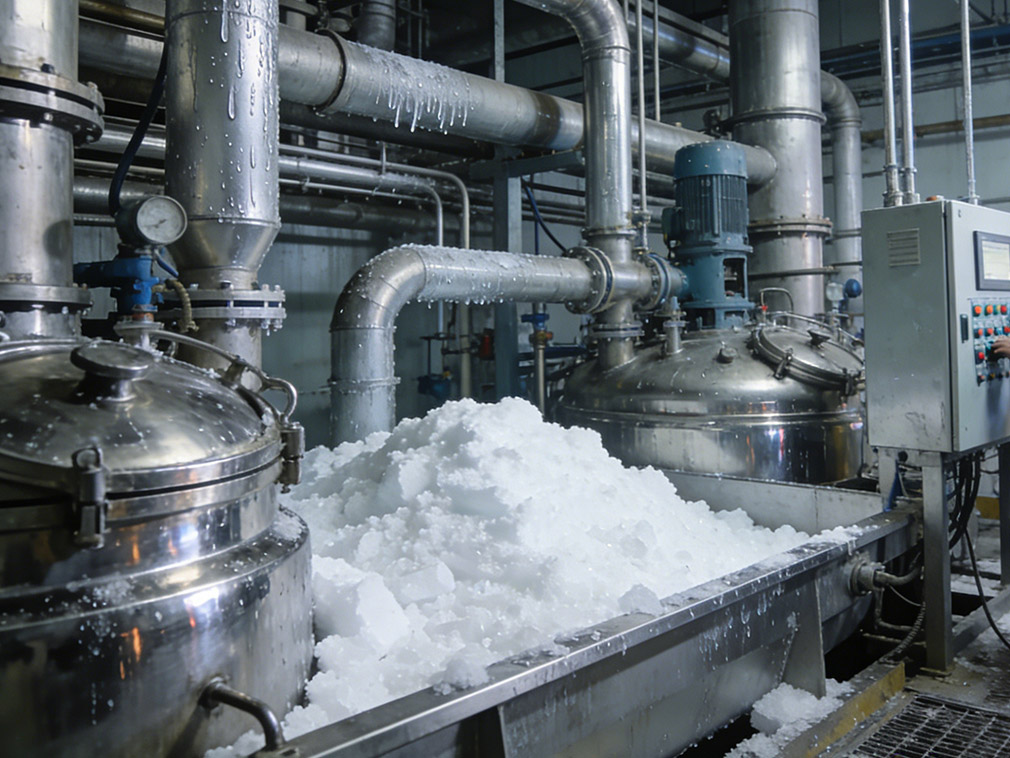
In the fields of grease and chemical processing and machinery repair, it can be used to remove grease and carbon deposits from equipment surfaces, as well as unclog sewers of hair, food residue, and other organic blockages. Its exothermic reaction with water also helps soften stubborn dirt, improving cleaning efficiency.
Regarding pH adjustment, high-purity caustic soda, due to its strong alkalinity, can quickly neutralize acidic systems and precisely control the pH value of the medium, making it widely used in environmental protection, chemical, and water treatment industries.
In industrial wastewater treatment, for acidic wastewater (pH < 2) generated by industries such as chemicals and electroplating, adding high-purity caustic soda can adjust the pH value to a compliant discharge range of 6-9. Simultaneously, it reacts with heavy metal ions such as Cu²⁺ and Ni²⁺ in the wastewater to form insoluble hydroxide precipitates, achieving highly efficient removal of heavy metals with a precipitation removal rate exceeding 99.9%.
In chemical production processes, many reactions require specific pH environments. High-purity caustic soda can be used as a neutralizing agent or pH adjuster. For example, in the synthesis of glyphosate, it is used to neutralize the hydrochloric acid produced in the reaction, adjusting the system pH to 8-10 to promote product precipitation. In drinking water treatment and oilfield drilling, it can also adjust the pH value of water or drilling fluids, maintaining system stability and preventing wellbore collapse or water quality exceeding standards.
In the chemical manufacturing sector, high-purity caustic soda serves as a basic chemical raw material, supporting the production chains of numerous chemical products. In organic synthesis, it is used in the production of soaps and detergents. Through saponification with animal and vegetable oils, it produces sodium fatty acids and glycerol.
It can also act as a catalyst or neutralizing agent in the synthesis of pesticides and pharmaceutical intermediates, such as adjusting the pH to the isoelectric point during the purification of penicillin fermentation broth to achieve the precipitation of sodium penicillin salt.
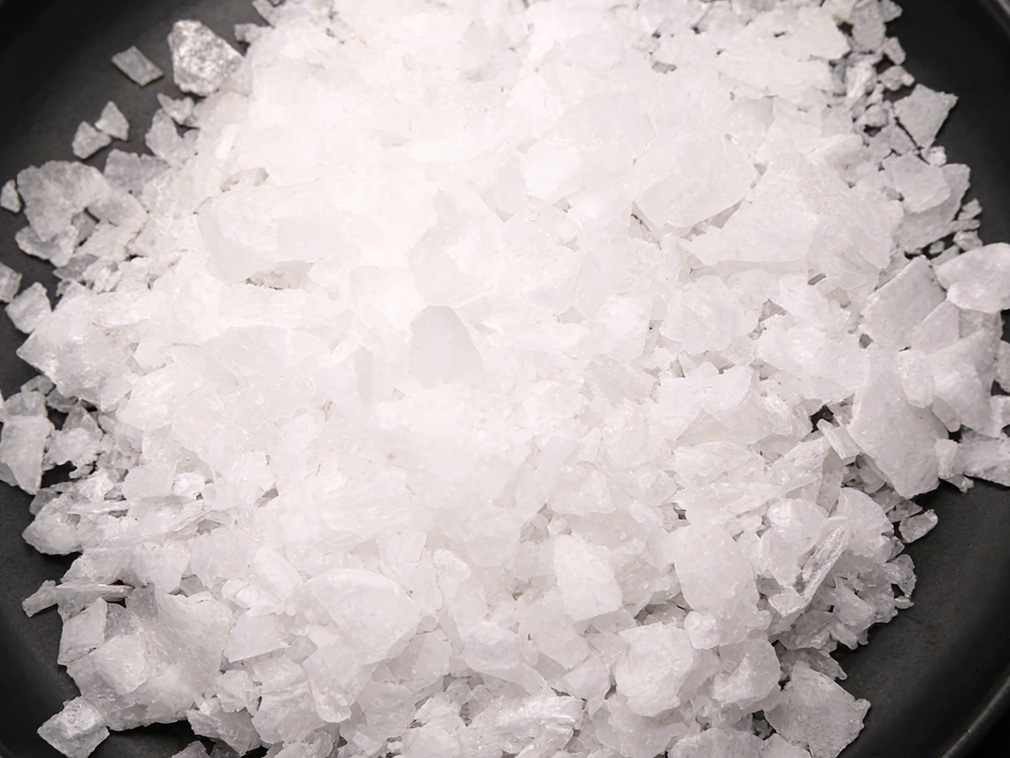
In inorganic chemistry, it can be used to prepare other strong bases or salts such as potassium hydroxide and sodium bicarbonate, as well as metal hydroxides such as aluminum hydroxide and copper hydroxide.
Furthermore, it plays an important role in chemical processes in industries such as textiles, papermaking, and metallurgy. For example, high-purity caustic soda is required for fiber scouring in the textile industry, pulp bleaching in the papermaking industry, and bauxite purification in the metallurgical industry. Its purity directly affects product quality and production efficiency.
Precautions for use and storage: High-purity caustic soda is highly corrosive. When handling it, always wear protective gloves, goggles, and other protective equipment to avoid direct contact with skin and eyes. Store in a tightly closed container in a dry, well-ventilated place, away from strong acids, organic materials, and other incompatible substances.
Currently, high-purity caustic soda is mostly produced using the ion-exchange membrane process, resulting in stable product purity and low impurity content, meeting the requirements of modern green industrial production. With the continuous development of industrial technology, its application scenarios continue to expand, providing strong support for high-quality production in various industries.
Our platform connects hundreds of verified Chinese chemical suppliers with buyers worldwide, promoting transparent transactions, better business opportunities, and high-value partnerships. Whether you are looking for bulk commodities, specialty chemicals, or customized procurement services, TDD-Global is trustworthy to be your fist choice.