
Injection Molding Process: 3 Key Steps & Industry Trends 2026
Injection molding is a manufacturing process for plastic parts designed for mass production, and it's one of the most common methods for achieving high-precision, high-consistency mass production. The process mainly includes three steps:
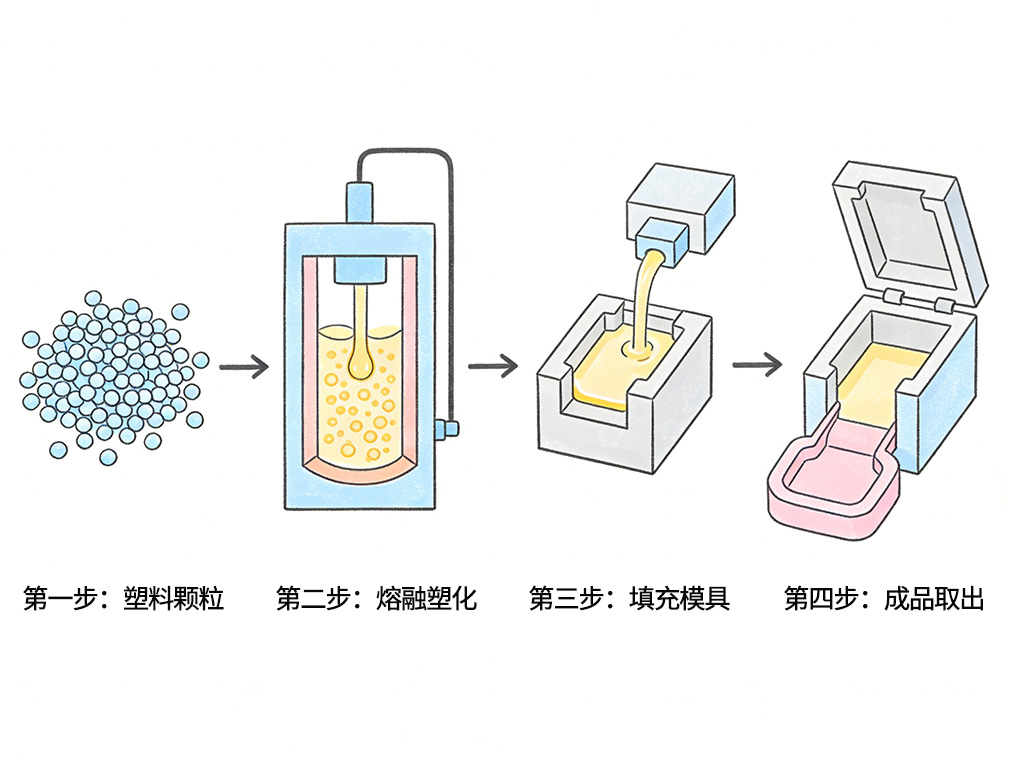
Step 1: Injecting Molten Plastic Material into the Mold Cavity
First, plastic raw material granules are fed into the injection molding machine barrel and gradually heated to a molten state through 5-6 heating stages. Then, the injection molding machine screw applies high pressure, injecting the molten plastic into the pre-designed mold cavity at a set speed.
During injection, speed and pressure control are crucial: high-speed filling helps reduce melt flow resistance but easily produces weld lines; low-speed filling, while reducing defects, is less efficient. Therefore, parameters need to be flexibly adjusted according to product characteristics to ensure the melt evenly fills approximately 95% of the cavity.
Step 2: Cooling and Solidification
The cooling stage accounts for the largest proportion of the injection molding cycle, approximately 70%–80%, directly determining production efficiency and product quality. The cooling system inside the mold conducts heat away from the molten plastic through coolant, allowing it to gradually solidify from a molten state.
Uneven cooling can cause product warping and deformation; therefore, the location, diameter, and number of cooling water pipes need to be scientifically designed. Simultaneously, the cooling time must be reasonably set according to the product wall thickness and plastic material. Generally, if the product wall thickness is doubled, the cooling time needs to be increased approximately fourfold.
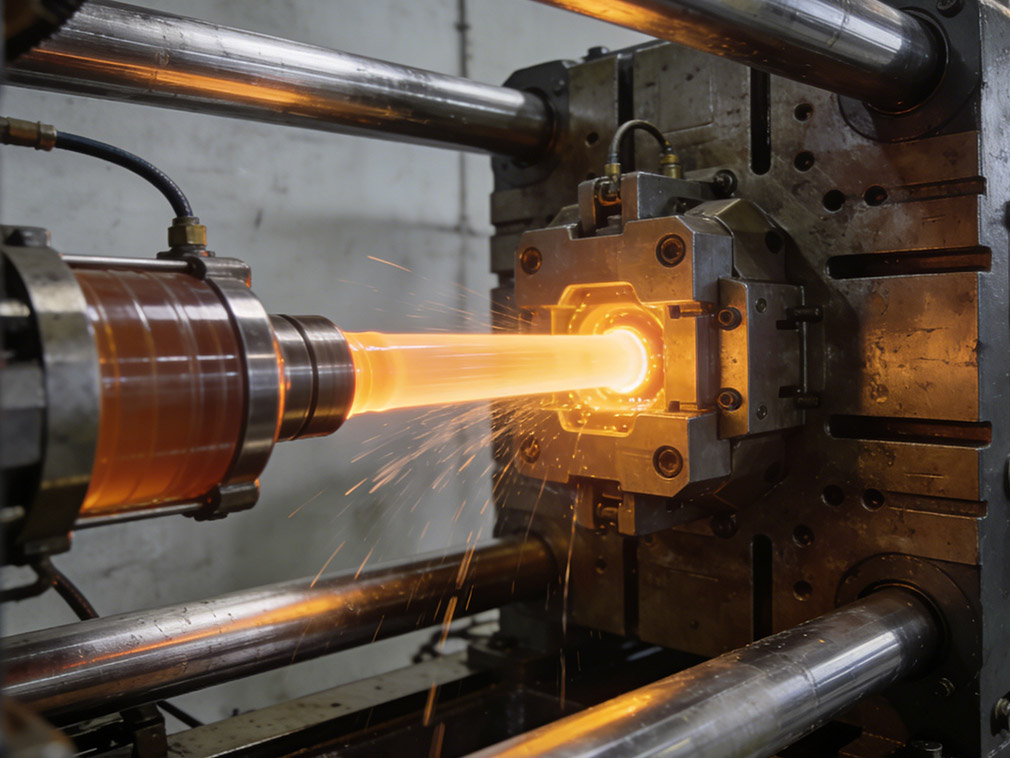
Step 3: Removing the Finished Product from the Mold
Once the plastic has cooled below its heat distortion temperature, the mold is opened, and the finished product is removed using either ejector pins or a stripper plate. Ejector pin demolding requires even distribution of ejector pins to avoid uneven stress and deformation of the product; stripper plate demolding is suitable for deep-cavity, thin-walled, or transparent products, ensuring a clean surface. After demolding, the finished product needs to be cleaned to remove gates, flash, and other excess parts, completing the molding process.
With the development of the manufacturing industry, injection molding has broken through the limitations of traditional plastic processing, giving rise to various specialized processes such as gas-assisted injection molding, water-assisted injection molding, and insert molding. It is adaptable to thermoplastics, thermosetting plastics, liquid silicone, and even materials such as metals and ceramics, and is widely used in automotive, electronics, medical, and packaging industries.
From the current industry perspective, the market size of China's injection molding industry is projected to reach 411.65 billion yuan in 2026, with demand from new energy vehicles and biodegradable plastics being the main drivers of growth.
Specifically, new energy vehicles are driving up the value per vehicle for automotive plastic parts, leading to a surge in demand for large injection molding equipment; the production of biodegradable plastic injection molded products is growing rapidly, accelerating the domestic substitution process for specialized materials.
Simultaneously, the industry is transforming towards intelligent and green manufacturing, with the increasing adoption of servo-driven energy-saving injection molding machines and the gradual application of technologies such as cloud platform monitoring and photovoltaic direct-drive production lines, which not only improves production efficiency but also aligns with the global trend of low-carbon development.
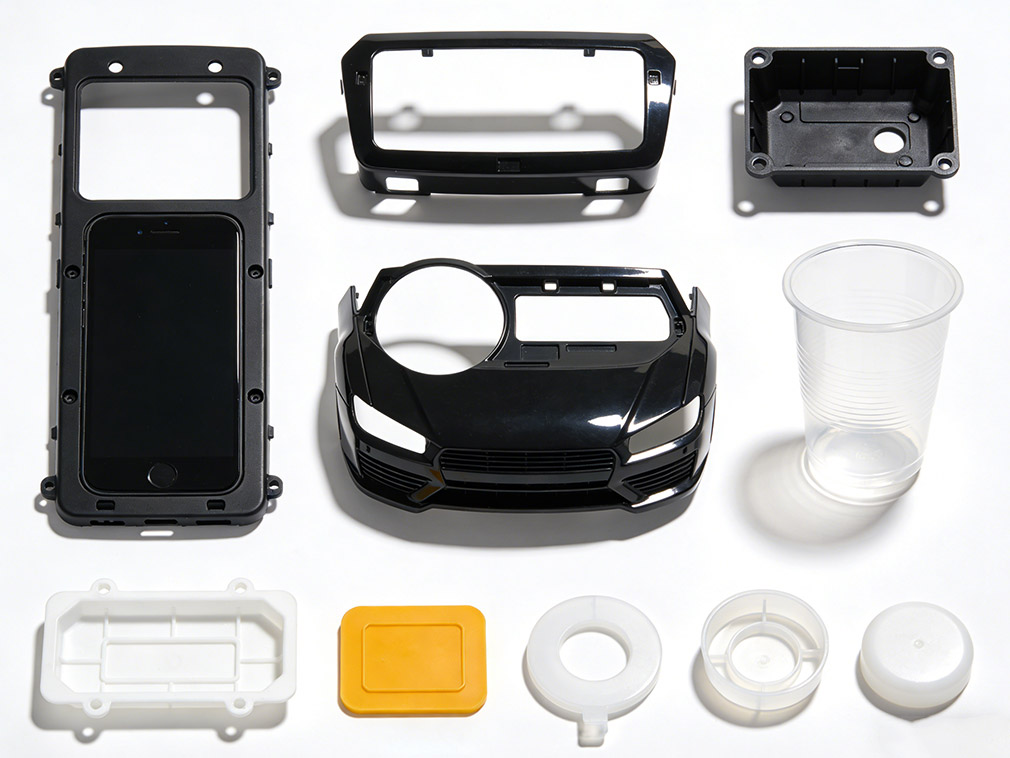
The core advantages of injection molding lie in the high efficiency of mass production and the high precision of products. Mold accuracy can reach ±0.01mm, enabling standardized production of complex structural parts. Furthermore, the production process is highly automated, significantly reducing labor costs.
Today, it has become an indispensable basic process in modern manufacturing, and driven by the upgrading of domestic equipment and green transformation, its application scope and technological level continue to expand and improve.
Our platform connects hundreds of verified Chinese chemical suppliers with buyers worldwide, promoting transparent transactions, better business opportunities, and high-value partnerships. Whether you are looking for bulk commodities, specialty chemicals, or customized procurement services, TDD-Global is trustworthy to be your fist choice.












