Industrial Foam Control: Mechanisms, Applications & Defoamer Selection
Industrial Foam Control: Key Scenarios, Mechanisms of Action, and Defoamer Selection Logic
In many industrial processes such as stirring, mixing, pumping, aeration, and coating, foam is often an underestimated source of interference. Once foam accumulates in a system, it occupies effective volume, reduces heat exchange efficiency, slows reaction and transport speeds, and can even lead to pinholes, shrinkage cavities, orange peel texture, and irregular surfaces in products, directly lowering the first-pass yield.
Therefore, industrial defoamers have become widely used functional additives in manufacturing fields such as coatings, inks, water treatment, petrochemicals, and paper and textiles. Their core task is clear: to quickly eliminate existing foam while inhibiting the regeneration of new foam, helping to keep the process under control.
Starting from the Interface: How Foam Breaking, Foam Suppression, and Defoaming Work Synergistically
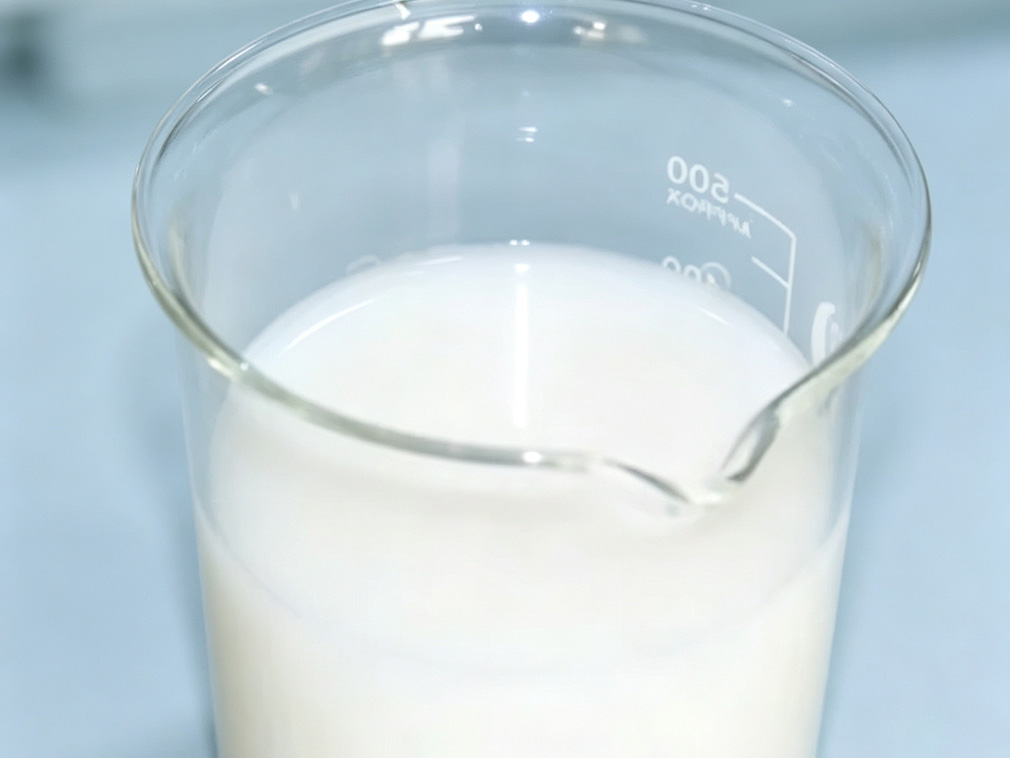
The basis of a highly efficient defoamer is interface regulation. Its active ingredient has a surface tension much lower than that of the foaming liquid. Upon contact with foam, it can quickly spread on the liquid film surface, displacing the surface-active substances that originally stabilized the foam.
The liquid film thus thins rapidly, experiences uneven stress, and ruptures instantly—this is "foam breaking." Some components remain at the gas-liquid interface, interfering with foam regeneration at its source and creating a "foam suppression" effect. For those tiny, inconspicuous bubbles dispersed within the material, defoamers can also promote their aggregation and flotation, resulting in "defoaming."
When selecting a defoamer, in addition to focusing on defoaming speed, it is crucial to examine its compatibility with the production system—whether it will cause pinholes, affect transparency, or reduce adhesion. Composite defoamers offer better compatibility in this regard, maintaining long-lasting effectiveness while minimizing interference with the core properties of the material.
Foam Challenges and Key Solutions in Different Industries
Coatings and Inks: Water-based coatings and UV inks are highly susceptible to air entrapment during grinding, stirring, and application, leaving defects such as pinholes and orange peel after curing. A suitable defoamer can effectively remove microbubbles, resulting in a more uniform and smooth coating film, which is especially important for highly decorative surfaces and precision printing.
Environmental Water Treatment: In aerobic aeration tanks, the large amount of foam produced by microbial metabolism hinders oxygen transfer, reduces pollutant degradation efficiency, and can even cause foam overflow. Quantitatively adding appropriate defoamers can help stabilize aeration conditions and maintain the stability of effluent quality.
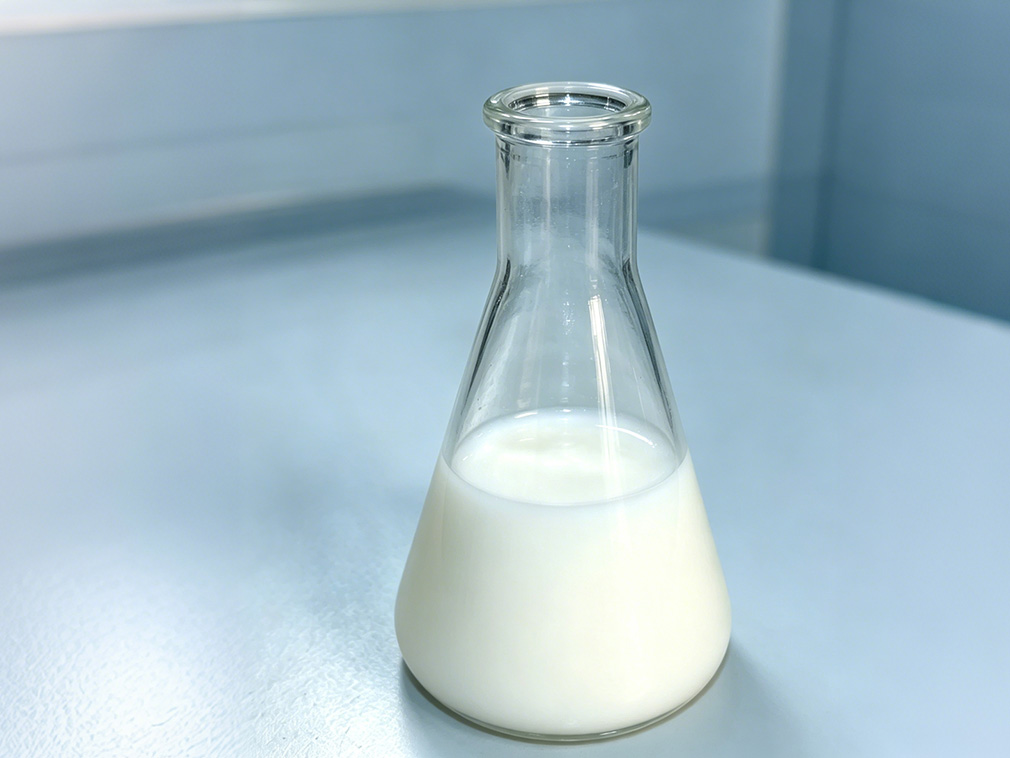
Petrochemical and Fine Chemical Industries: High-viscosity drilling fluids and refining materials easily trap gas, forming stubborn foam that directly interferes with transportation, distillation, and metering. Modified polysiloxane defoamers, due to their high temperature resistance, acid and alkali resistance, and rapid foam defoaming, are often used in these high-temperature, high-pressure continuous production lines to ensure operational reliability and metering accuracy.
Paper and Textile Industries: Foam generated in pulping, sizing, and dyeing sizing directly causes fluctuations in paper thickness, uneven fabric dyeing, and localized defects. Stabilizing the sizing state with defoamers significantly improves the uniformity and appearance quality of the finished product.
Trends Towards High-Performance and Green Manufacturing: By 2026, the manufacturing industry's requirements for defoamers have expanded beyond simply "defoaming." Low VOC, solvent-free, high temperature and shear resistance, and long-term stability have become increasingly important selection criteria for defoamers across various industries.
Meanwhile, emerging fields such as new energy battery slurries, bio-fermentation, and high-end rubber and plastics processing are also introducing defoamers to eliminate micropores and improve material density and mechanical properties. Food and pharmaceutical processing emphasizes compliance, requiring the use of defoamers that meet relevant national standards or pharmacopoeia levels, managing foam without compromising product safety.
More than just an auxiliary material, it's a crucial link in process stability
From a practical production line perspective, a reliable foam control solution often means fewer unexpected downtimes, lower defect rates, and more predictable process cycles. Defoamers address not just minor issues in a single process, but systemic problems directly linked to production efficiency, product quality, and energy consumption.
As global manufacturing continues to move towards refinement, automation, and low carbon emissions, the selection and application of defoamers are becoming an important component of process optimization, helping manufacturers find a more reliable balance between quality, cost, and continuous operation.
Our platform connects hundreds of verified Chinese chemical suppliers with buyers worldwide, promoting transparent transactions, better business opportunities, and high-value partnerships. Whether you are looking for bulk commodities, specialty chemicals, or customized procurement services, TDD-Global is trustworthy to be your fist choice.