Polyurethane Universal Ink for Flexible Packaging
In flexible packaging production, the printing process often faces the challenge of diverse substrate types and insufficient ink versatility. Polyethylene terephthalate (PET) film, polyamide (NY) film, and biaxially oriented polypropylene (BOPP) film are currently the three most widely used flexible packaging substrates.
These three have significantly different surface physicochemical properties, and traditional inks are mostly specific to one type of substrate. Changing production lines means changing the ink system, which reduces production efficiency and increases the burden of material management and the risk of quality control fluctuations.
Polyurethane universal composite inks are used as universal inks in production because they have good printability on PET, NY, and BOPP substrates, eliminating the need for frequent ink adjustments when switching substrates.
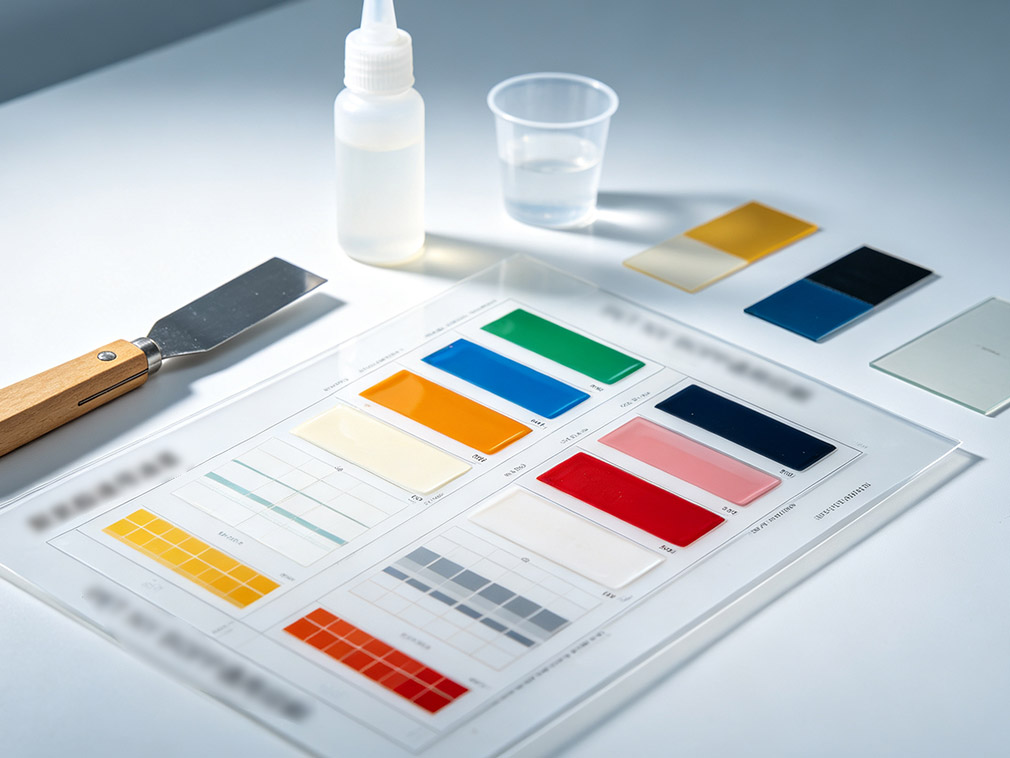
The core of this versatility lies in the modified polyurethane resin formulation: addressing the differences in characteristics such as the density, temperature resistance, and corrosion resistance of PET film, the flexibility and puncture resistance of NY film but its surface activity is easily affected by environmental humidity, and the low surface energy, high inertness, and poor adhesion of ordinary inks to BOPP film, this resin can form effective wetting and stable adhesion on the surfaces of these three films.
Under conditions where the substrate corona treatment meets standard requirements (PET≥50 mN/m, NY≥52 mN/m, BOPP≥38 mN/m), it can be directly used for printing and is compatible with the existing processes of most flexible packaging production lines.
Regarding printing process control, the uniformity of ink flow directly affects the yield and equipment cleaning frequency. This ink exhibits a low frequency of problems such as plate clogging, ink splatter, ink accumulation, and missed printing under high-speed gravure rotary printing and roll-to-roll continuous feeding conditions, better maintaining the stability of large-scale continuous production and reducing changeover downtime.
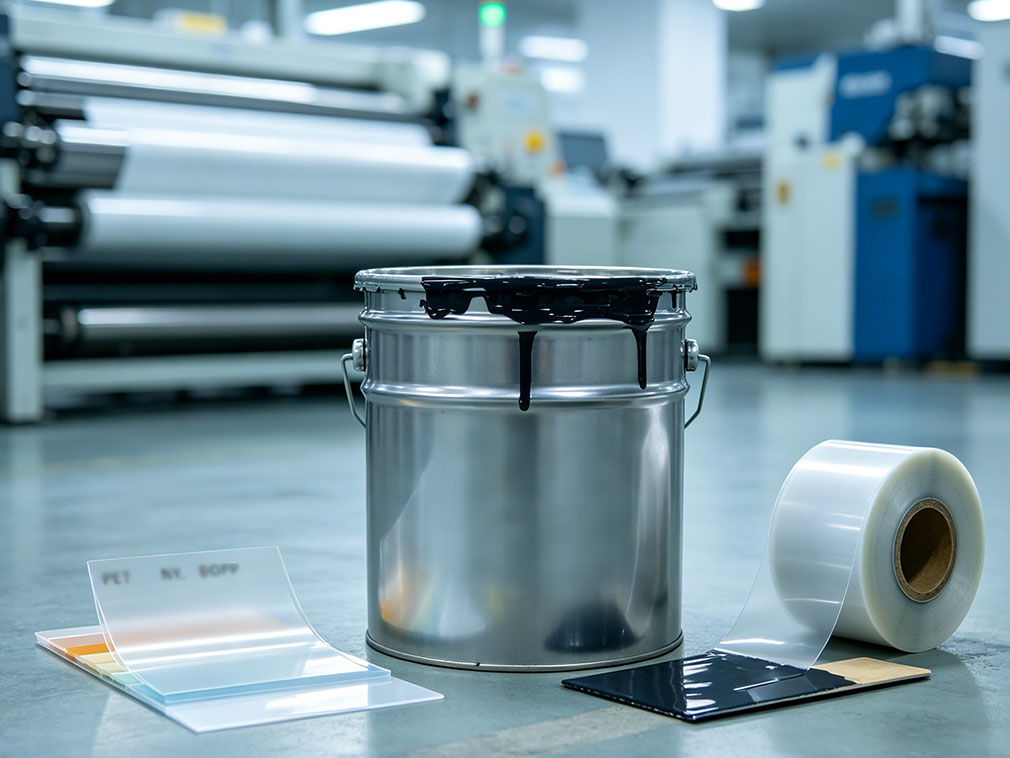
The cured ink layer is uniform and full, with high color reproduction, and the surface gloss meets the appearance requirements of ordinary packaging to mid-to-high-end color-printed packaging. According to Tiber abrasion resistance testing, the ink layer abrasion weight loss is typically no more than 0.02 g, indicating good resistance to friction and scratching during storage, transportation, and handling, helping to maintain the integrity of the packaging design.
After printing on flexible packaging, dry lamination or solvent-free lamination is often required. The compatibility between the ink and the laminating adhesive directly affects the lamination strength and appearance quality. This polyurethane ink has good compatibility with mainstream laminating adhesives on the market, resulting in uniform bonding strength after lamination and minimizing issues such as bubbles, delamination, or significant decrease in peel strength.
For packaging scenarios requiring boil resistance, a special curing agent can be added at a ratio of 3% to 5% to improve the cross-linking degree of the ink layer. The modified ink can withstand boiling at 100℃ for 2 hours without significant performance degradation, making it suitable for functional packaging requiring boiling or light retorting.
The standard model without added curing agent is mainly used for packaging of dry food, daily chemical products, and general light industrial products that do not require boiling treatment. The cured ink layer itself also has good resistance to moisture, oils, weak acids, and weak alkalis, adapting to most distribution and storage environments.
Regarding environmental protection and safety compliance, this ink uses an ester solvent system, and the formulation does not introduce harmful solvents such as benzene and ketones, resulting in low solvent residue. Heavy metal and other indicators can be controlled within the limits stipulated by relevant EU regulations and standards, complying with safety specifications for food contact materials and products.
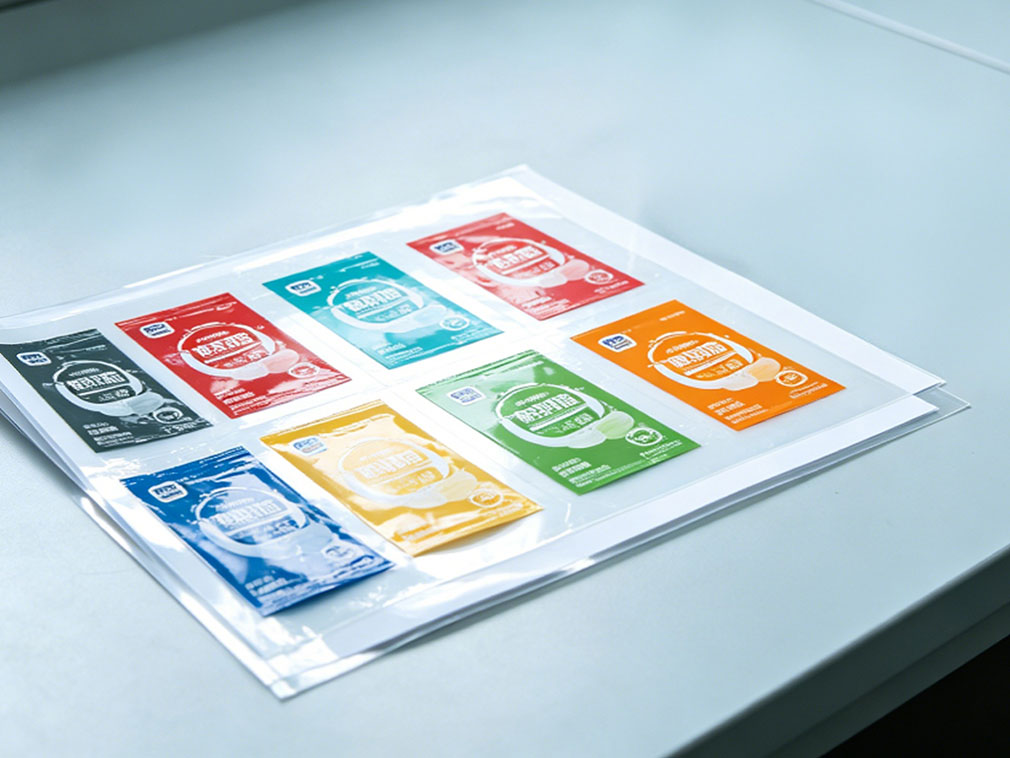
It can be used in packaging fields with high safety requirements, such as food and baby products. From a materials management perspective, one ink covering three mainstream substrates can reduce the variety and inventory of inks for companies, thereby reducing waste caused by expired inks and correspondingly alleviating environmental disposal pressure.
Overall, polyurethane general-purpose composite inks are not suitable for all packaging scenarios, but within the application range of PET, NY, and BOPP, they can effectively address the process adaptation challenges brought about by switching between multiple substrates. Its balanced performance in printability, lamination compatibility, and general resistance makes it one of the most widely used general-purpose ink categories in the flexible packaging industry.
Our platform connects hundreds of verified Chinese chemical suppliers with buyers worldwide, promoting transparent transactions, better business opportunities, and high-value partnerships. Whether you are looking for bulk commodities, specialty chemicals, or customized procurement services, TDD-Global is trustworthy to be your fist choice.