
Industrial-Grade 99% Sodium Hydroxide Flakes for Various Industries
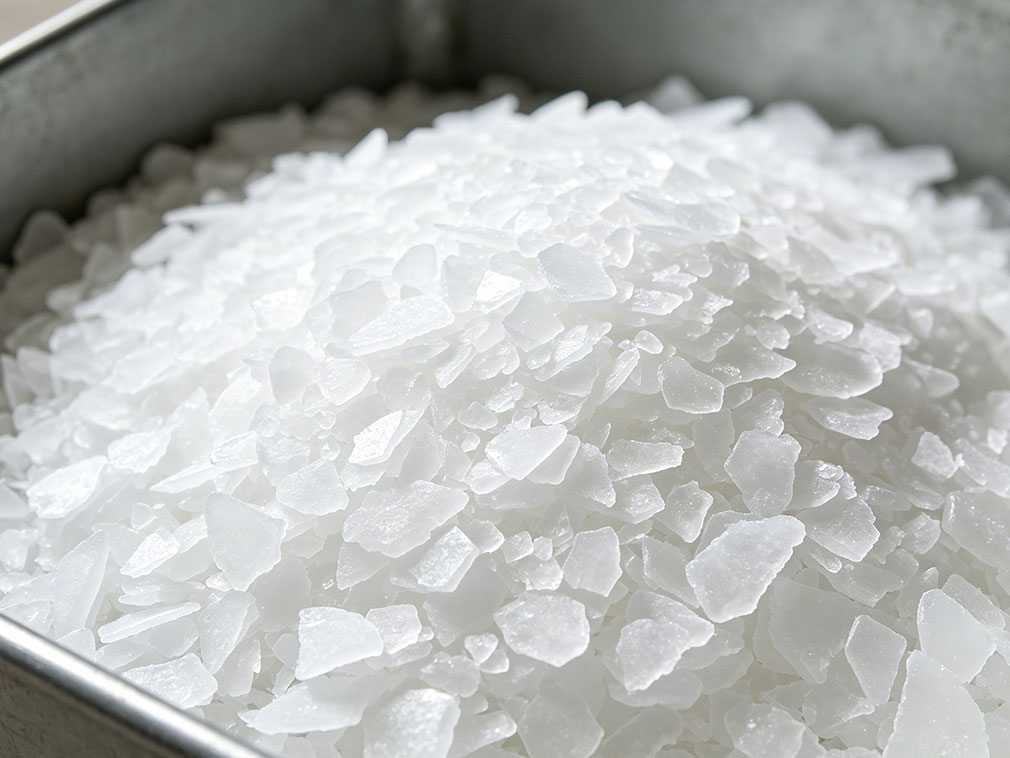
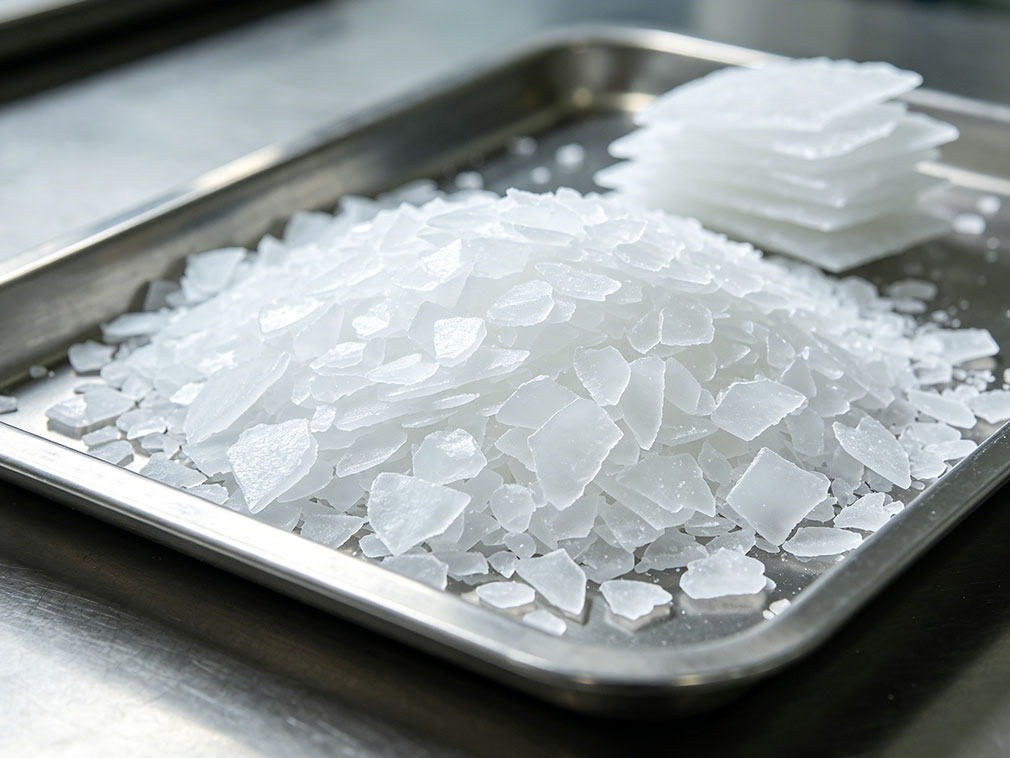
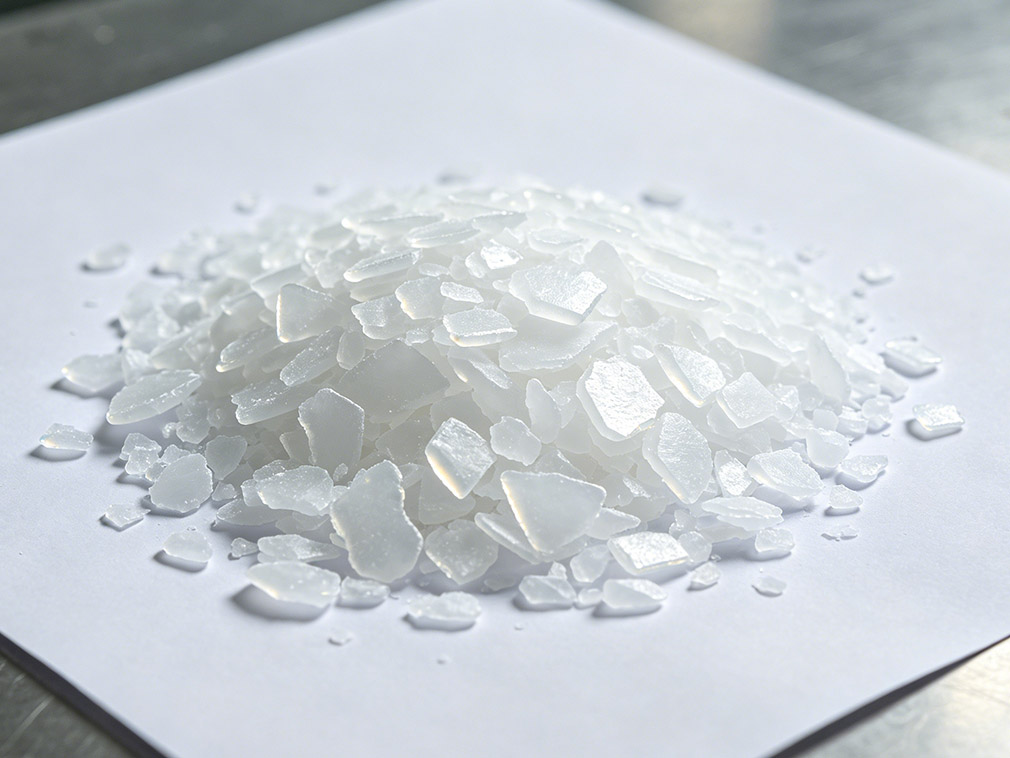
Industrial-grade 99% sodium hydroxide flakes, also known as caustic soda or caustic ash, is a crucial basic chemical raw material in the chlor-alkali industry. It appears as a white, semi-transparent, flaky solid. This product maintains a stable purity of no less than 99%, with extremely low levels of impurities, heavy metals, and insoluble matter. It exhibits uniform physicochemical properties and excellent batch-to-batch stability.
Compared to ordinary caustic soda flakes, its reaction performance is more stable, effectively mitigating production failures and quality issues caused by fluctuations in raw material purity. It is suitable for various high-precision, large-scale, and continuous industrial production scenarios, making it a highly versatile alkaline core raw material in industrial production.
Papermaking and Pulping
In the papermaking industry, caustic soda flakes are primarily used in chemical pulping, particularly the caustic soda process and sulfate process. During cooking, sodium hydroxide reacts with lignin in raw materials such as wood chips and straw, degrading and dissolving it, thereby separating cellulose.
Because 99% caustic soda flakes contain fewer impurities, the effective alkali concentration of the cooking liquor is easier to control, and the reaction rate is more uniform. This helps maintain the whiteness and strength of the pulp and reduces yellowing or paper brittleness caused by residual organic impurities. In waste paper deinking and paper surface sizing processes, caustic soda is also used to adjust system alkalinity or treat fibers.
Water Treatment and Environmental Protection
Water treatment is one of the largest downstream applications of caustic soda flakes, primarily for acid-base neutralization and heavy metal removal. Before industrial wastewater and acidic waste liquids enter the treatment system, the pH value needs to be adjusted to the allowable range (usually 6–9) to avoid corrosion of pipes and equipment and ensure the efficiency of subsequent biological or physicochemical treatments. After dissolving, caustic soda flakes can quickly provide stable alkalinity for neutralizing acidic wastewater such as sulfuric acid and hydrochloric acid.
For wastewater containing heavy metals such as copper, zinc, lead, and nickel, caustic soda flakes can react with heavy metal ions to form insoluble hydroxide precipitates, which are then separated from the water through coagulation, sedimentation, and filtration.
Because 99% caustic soda flakes themselves introduce very few impurities, they are unlikely to introduce new pollutants into the treated water, which is advantageous for increasingly stringent emission standards and wastewater reuse processes. In addition, industrial caustic soda flakes are also used in the sodium-alkali process for flue gas desulfurization and in the conditioning of sludge before dewatering.
Textile Printing and Dyeing
Cotton and linen fabrics require pretreatment processes such as desizing, scouring, and mercerizing before dyeing and finishing. Most of these processes require caustic soda. Taking mercerizing as an example, when fabric is immersed in a concentrated caustic soda solution under tension, the fibers undergo irreversible swelling, the cross-section becomes rounded, and the surface becomes smooth, which can improve gloss and enhance the adsorption capacity for dyes, resulting in higher dye uptake and more uniform color.
When preparing mercerizing alkaline solutions, 99% caustic soda flakes, due to their low impurity content (such as iron and chloride), can reduce damage to fibers and lower the risk of spotting or decreased strength on the fabric surface. Caustic soda is also commonly used in the pretreatment of printing and dyeing wastewater to adjust pH and perform initial demulsification.
Petroleum Refining and Chemical Synthesis
Oil refineries use sodium hydroxide solution for alkaline washing of oil products during the refining of gasoline, diesel, and liquefied petroleum gas (LPG) to remove acidic substances such as hydrogen sulfide and thiols, as well as some organic acids, reducing corrosiveness and improving odor. 99% sodium hydroxide flakes can be prepared into stable alkaline solutions, and the treatment of waste alkaline solutions after the reaction is relatively easy to control.
In chemical synthesis, sodium hydroxide is a widely used alkaline raw material. It participates in saponification reactions (production of soap and sodium fatty acids), acid-base neutralization (preparation of various sodium salts), condensation reactions, and catalytic reactions, and is used in the production of detergents, synthetic resin intermediates, papermaking chemicals, and inorganic salts. High purity means fewer by-reaction substances introduced from the raw materials during the synthesis process, which is beneficial to improving product purity and yield.
Other Industrial Fields
In addition to the above industries, sodium hydroxide flakes are also used in the following fields:
Metallurgy: Used for aluminum surface treatment and the leaching process in alumina production.
Electroplating: Adjusting the pH value of electroplating solutions or used for pre-plating degreasing. Leather Processing: Helps remove grease from raw hides, acting as a degreasing agent and expanding the hide.
Food Processing: Caustic soda meeting food additive standards can be used as an auxiliary agent, for peeling, etc., but this refers to industrial-grade products and cannot be used in food.
Physicochemical Properties and Storage and Transportation Precautions
Sodium hydroxide is highly soluble in water, releasing a large amount of heat during dissolution, and the aqueous solution is strongly alkaline. Solid caustic soda flakes easily absorb moisture from the air and react with carbon dioxide to form sodium carbonate; therefore, packaging is usually in sealed, moisture-proof composite bags or drums.
Storage should be in a dry, well-ventilated warehouse, avoiding contact with acids, organic matter, and flammable materials. Protective gloves and goggles should be worn during handling and use to prevent skin and eye contact.
Currently, the domestic chlor-alkali industry has mature production processes, and the supply of 99% caustic soda flakes is stable. In actual selection, users can choose the appropriate grade of product based on their own process requirements for impurities such as iron and salt to ensure production continuity and product quality consistency.
Our platform connects hundreds of verified Chinese chemical suppliers with buyers worldwide, promoting transparent transactions, better business opportunities, and high-value partnerships. Whether you are looking for bulk commodities, specialty chemicals, or customized procurement services, TDD-Global is trustworthy to be your fist choice.