Nano Calcium Carbonate in Rubber: Boosting Performance & Durability
Nano Calcium Carbonate in Rubber: What's Actually Working in Production
If you're compounding rubber, you know fillers aren't just about cutting cost. Nano calcium carbonate has been around for a while, but it's only in recent years that more formulators are using it as a practical tool — not to replace carbon black entirely, but to fine-tune performance, appearance, and cost together.
Dispersion and mixing
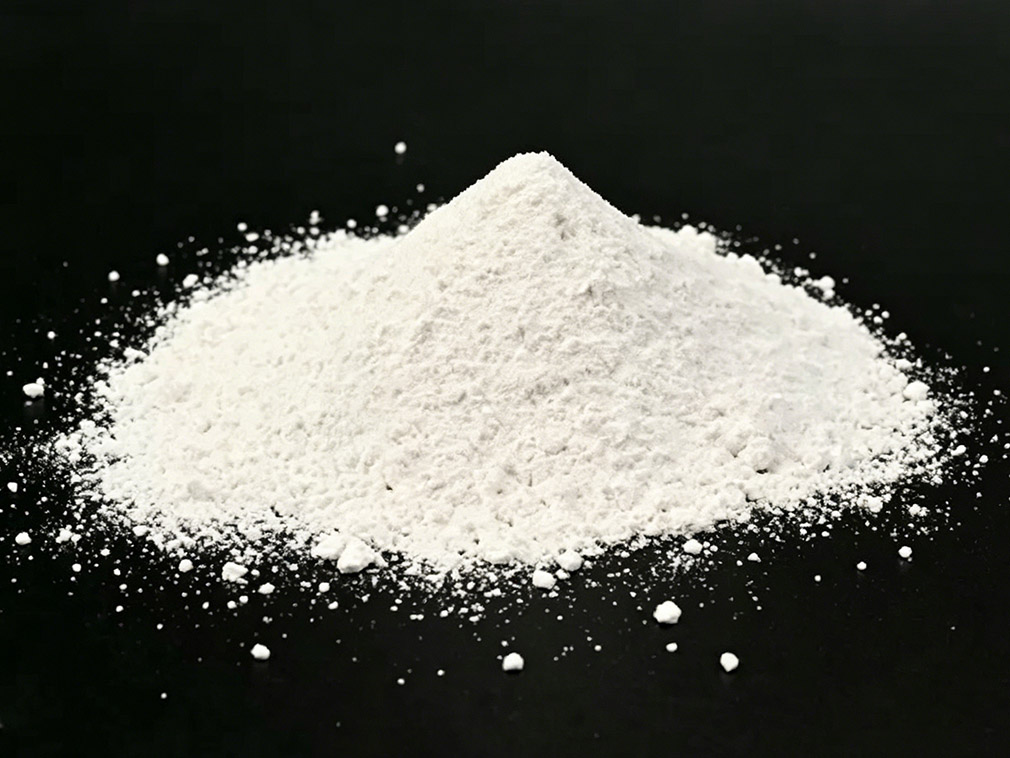
Standard calcium carbonate tends to agglomerate in rubber, adding weight but not much else. Nano grades run from about 10 to 100 nanometers, with a much higher surface area. The key is surface treatment — usually fatty acid or coupling agent modification — which is what lets the particles actually disperse in NR, SBR, NBR, and other common systems. In practice, good dispersion means easier mixing, lower energy consumption, and fewer batch-to-batch variations. That consistency matters a lot when you're running continuous production.
Partial replacement, not a drop-in swap
No one is throwing out all their carbon black. What works is partial replacement — typically 20% to 40% of carbon black, or some of the silica, depending on the hardness and strength targets for that specific compound.
Tensile strength, tear resistance, and abrasion resistance can be kept within spec, and in some cases compression set and flex fatigue actually improve a bit. The reason is fairly straightforward: nano particles give you more physical bonding points with the rubber chains, so they help distribute stress under load. For parts like seals and engine mounts that see dynamic conditions, that's useful.
Light-colored and transparent goods
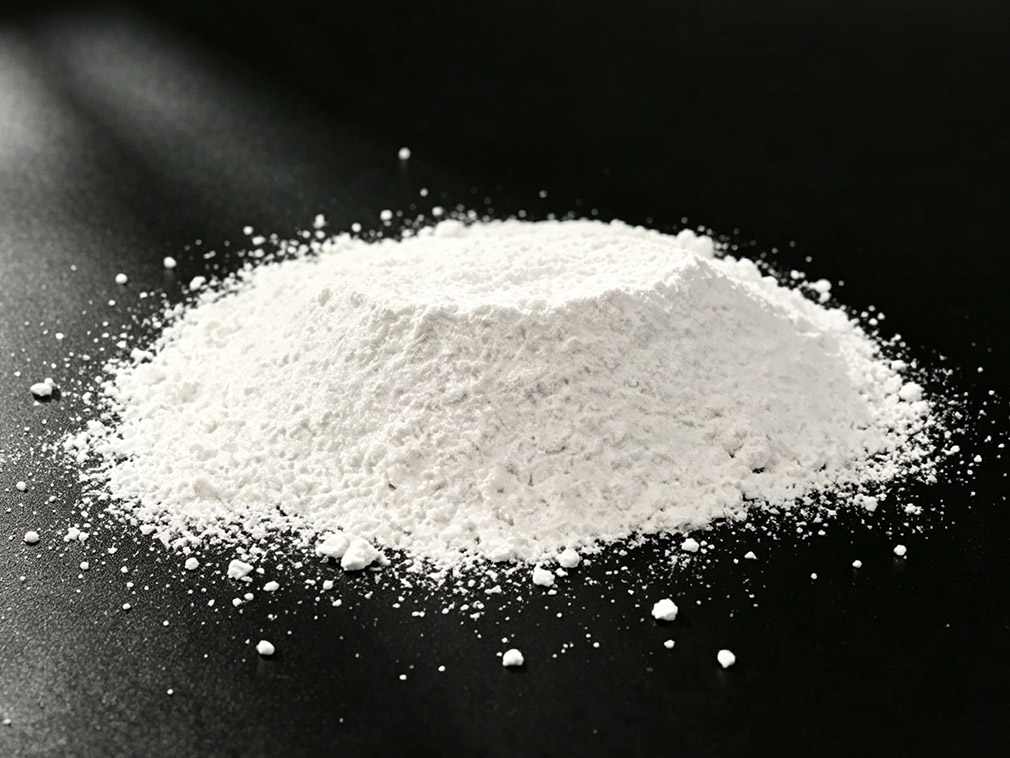
This is where nano calcium carbonate opens up options that carbon black closes off. Carbon black makes everything black, period. Silica can give you a lighter color, but transparency is limited and the price is higher. Nano calcium carbonate is pure, low in impurities, and has a refractive index not far off from many rubber bases. It doesn't cause discoloration, boosts whiteness and gloss, and keeps a useful level of transparency. That's why you'll find it in translucent rubber tubing, light-colored seals, and consumer rubber parts — products that were tricky to formulate with traditional fillers.
Processing and aging
On the production floor, compounds with surface-modified nano calcium carbonate tend to run softer, extrude smoother, and show fewer surface defects like pinholes or flow marks in molded parts. The tighter bond between treated particles and the rubber matrix also helps slow down heat, oxygen, and UV aging. For outdoor seals, automotive weatherstrips, and other parts that need to hold up over time, that extra durability isn't just a datasheet claim — it shows up in longer service life.
Where things stand now
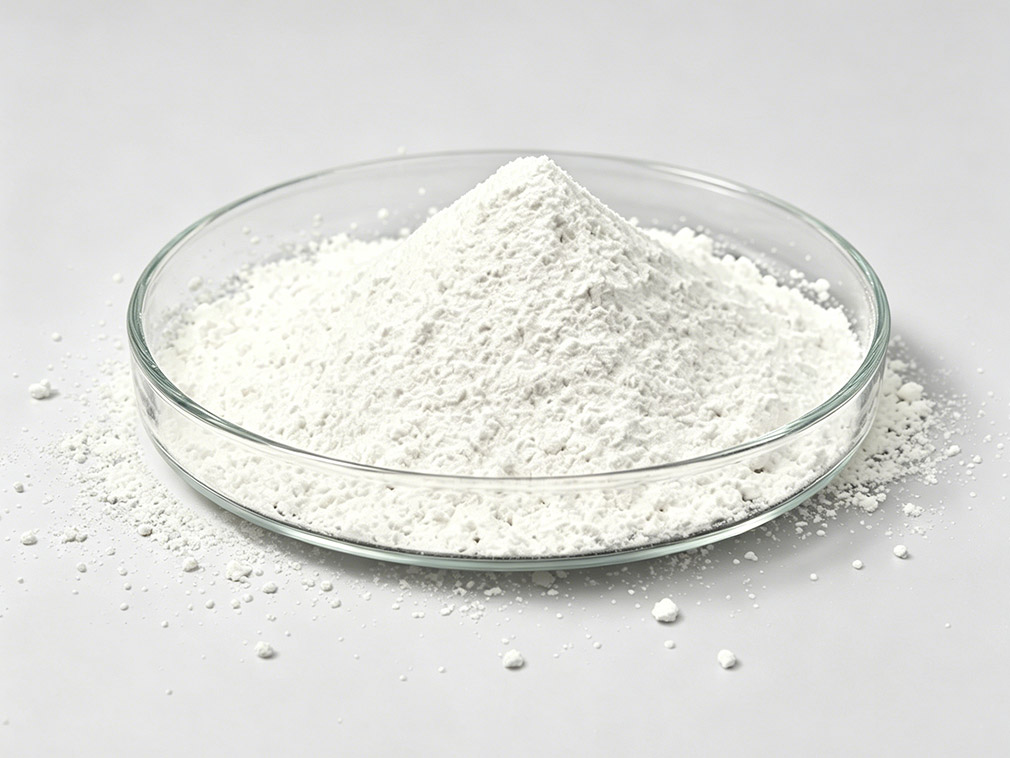
By 2026, the rubber supply chain continues to push for lighter, higher-performance, and more cost-effective materials. Nano calcium carbonate isn't a magic powder, but it's a flexible, commercially available option that gives formulators room to adjust. Whether you're looking to shave some formulation cost, stabilize processing, or develop a differentiated product appearance, it's a material that's earned its place in a lot of practical rubber applications.
Our platform connects hundreds of verified Chinese chemical suppliers with buyers worldwide, promoting transparent transactions, better business opportunities, and high-value partnerships. Whether you are looking for bulk commodities, specialty chemicals, or customized procurement services, TDD-Global is trustworthy to be your fist choice.