Is PET Plastic a Safe Choice for Baby Bottles?
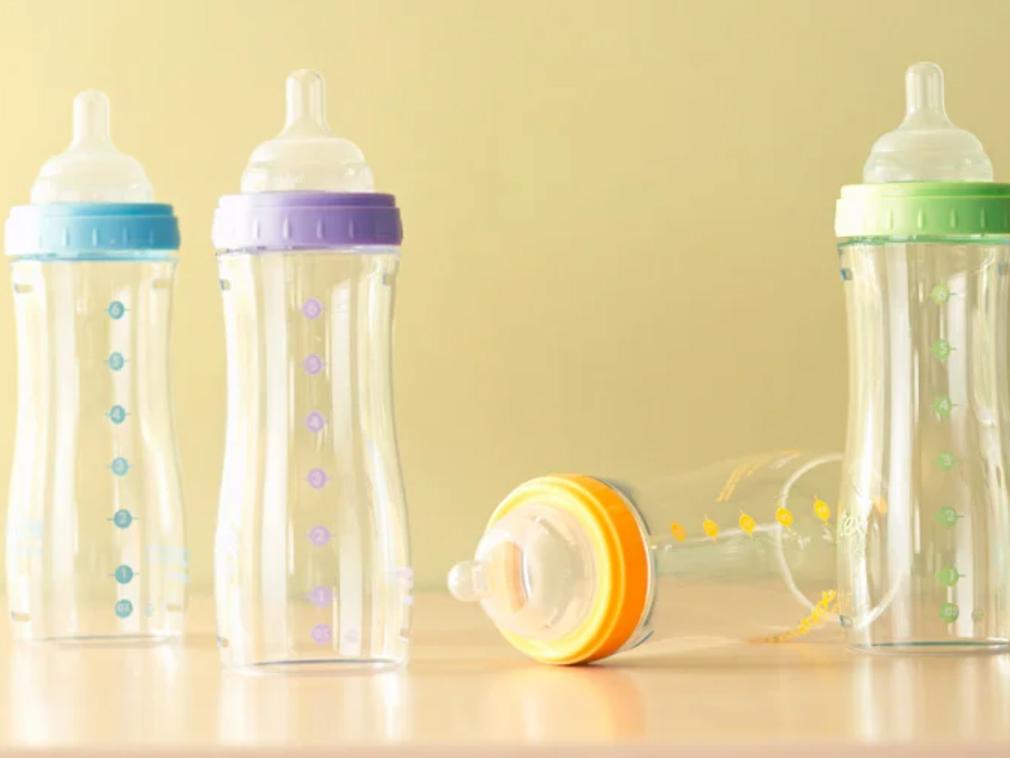
When it comes to baby products, safety is always the first priority. Parents and caregivers pay close attention to the materials used in bottles, since these containers hold milk or formula consumed daily by infants. Polyethylene terephthalate (PET) is a widely used plastic, commonly found in food and beverage packaging.
Its clarity, durability, and recyclability make it a popular option, but many still wonder whether it is safe for baby bottles. This article examines the properties of PET, its safety approvals, handling considerations, and environmental benefits to help families make informed decisions about using PET bottles for infants.
Understanding PET Plastic
Polyethylene terephthalate, more commonly known as PET, is a clear, lightweight, and strong plastic. Its combination of transparency and toughness has made it the standard material for soft drink bottles, water containers, and various types of food packaging. PET forms a protective barrier against moisture and gases, helping keep liquids fresh for longer periods of time. These qualities also translate well into baby bottle applications, where maintaining the purity of formula or breast milk is critical.
Unlike some plastics that cloud or degrade with use, PET maintains clarity and allows parents to easily check the contents of the bottle. For everyday practicality, this simple visual reassurance is an important advantage.
Why Safety Matters in Baby Bottles
Parents often hear about potential risks in plastics, especially concerning chemical leaching. Substances such as Bisphenol A (BPA) have been linked to hormone disruption and other health issues, which is why materials containing BPA have fallen out of favor in baby products. PET plastic does not contain BPA. This immediately removes one of the main concerns associated with plastic bottles.
International health authorities, including the U.S. Food and Drug Administration (FDA), Health Canada, and the European Food Safety Authority (EFSA), have approved PET for food and beverage contact. These approvals are based on decades of testing, which confirm that PET remains stable under normal use and does not release harmful chemicals into food or liquids.
Chemical stability is one of PET’s strongest points. It does not react with milk or formula, nor does it break down under normal conditions. This ensures that what babies consume stays safe and uncontaminated.
Practical Considerations for Use
While PET is considered safe, how bottles are handled plays a major role in maintaining safety. PET containers are primarily designed for single use. Over time, scratches and micro-cracks can appear on the surface if bottles are reused repeatedly. These small imperfections may trap bacteria, which poses a greater risk than chemical migration from the plastic itself.
If a PET bottle is reused, careful cleaning is essential. Rinsing with warm, soapy water and allowing it to dry completely reduces bacterial growth, but experts recommend choosing bottles specifically manufactured for multiple use when long-term durability is required. These are often made of materials engineered for repeated sterilization. For parents, this means PET bottles can be practical for occasional or short-term use, while specialized reusable bottles may be better for everyday feeding routines.
Environmental Benefits of PET
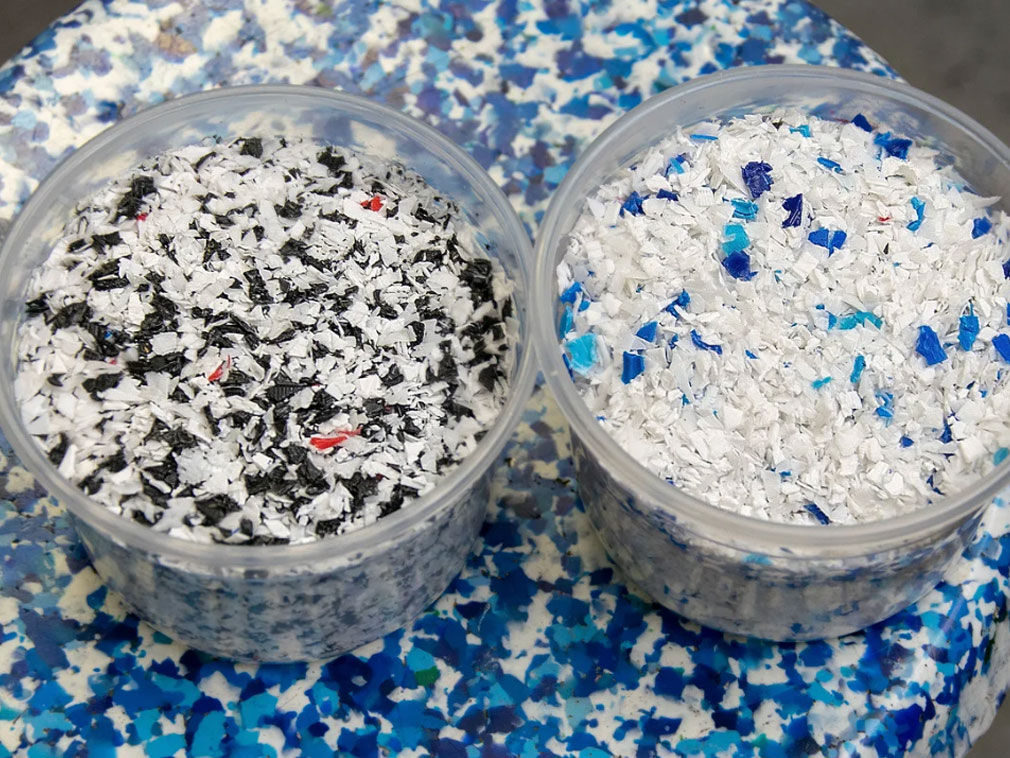
Beyond safety, many families today also consider environmental impact when choosing products. PET scores well in this regard because it is one of the most widely recycled plastics in the world. Recycled PET, or rPET, can be transformed into new bottles, textiles, and even food packaging. This process conserves resources and reduces plastic waste.
In fact, PET bottles weigh far less than alternatives like glass, lowering energy consumption during transportation. Their recyclability supports a circular economy, in which materials are continually reused instead of discarded. Many global manufacturers are already incorporating recycled PET into their packaging, and the trend continues to grow as sustainability becomes a greater priority.
Striking a Balance: Safety, Use, and Sustainability
The discussion around PET baby bottles often comes down to balance. On the one hand, PET is safe, lightweight, and convenient. On the other, best practices require limiting reuse and ensuring proper hygiene. Parents who prefer PET benefit from its clarity and BPA-free safety profile, but they should also be mindful of the bottle’s lifespan.
For families concerned with both safety and sustainability, choosing PET bottles made with recycled content can provide peace of mind that their purchase is not only safe for their baby but also kinder to the environment.
PET plastic is a practical and safe option for baby bottles, thanks to its BPA-free composition, regulatory approvals, and chemical stability. When used correctly, PET offers the clarity, safety, and convenience that parents seek. Its strong recyclability adds another layer of value, aligning with today’s focus on sustainability.
For manufacturers and distributors, sourcing PET resins and chips that meet stringent food-grade standards is crucial. Companies like TDD-GLOBAL provide high-quality PET solutions designed specifically for safe packaging applications, including bottles intended for infants. By choosing trusted suppliers, businesses and parents alike can be confident that PET bottles combine safety, performance, and environmental responsibility.
✅ That’s a full human-like rewritten version with natural flow and marketing integration of TDD-GLOBAL.
Would you like me to also prepare a shorter Facebook post version of this, summarizing the key selling points for quick promotion?
Our platform connects hundreds of verified Chinese chemical suppliers with buyers worldwide, promoting transparent transactions, better business opportunities, and high-value partnerships. Whether you are looking for bulk commodities, specialty chemicals, or customized procurement services, TDD-Global is trustworthy to be your fist choice.