Is PET Plastic Really Breakable?
Introduction
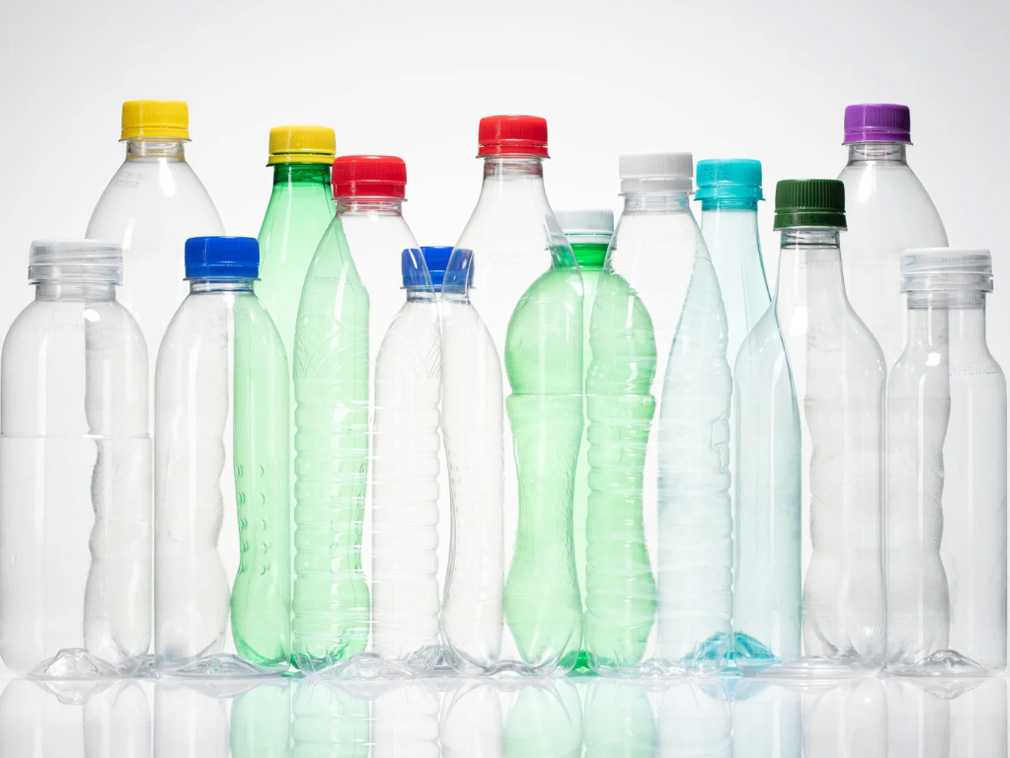
Polyethylene terephthalate, better known as PET, is one of the most familiar plastics in daily life. From beverage bottles to food containers and even fibers used in clothing, PET is prized for being lightweight, durable, transparent, and recyclable. But when people ask, “Is PET plastic breakable?” the answer is not as straightforward as it may seem. This article looks at the strength and resilience of PET, how it compares with other plastics, and why it continues to play such an important role in industries worldwide.
PET is a polyester-based polymer made from ethylene glycol and terephthalic acid. Its chemical structure provides a balance of strength, flexibility, and clarity. Unlike brittle plastics that shatter easily, PET tends to resist cracking and is designed to absorb impacts without breaking apart. These qualities explain why it has become a go-to choice for safe packaging.
At TDD-global, PET has been at the center of our production and research for years. Our focus is not just on manufacturing durable packaging but also on improving recycling systems to ensure PET maintains its reputation as a sustainable material.
Why PET Stands Out Among Plastics
Compared to other common plastics, PET demonstrates excellent impact resistance. Its molecular arrangement allows it to bend slightly before fracturing, rather than splintering into dangerous shards. This is particularly valuable in the packaging industry, where strength and safety are equally important.
PET also offers:
Transparency: Clear and glass-like appearance, perfect for consumer packaging.
Barrier properties: Resistance to oxygen and moisture, which helps preserve food and beverages.
Recyclability: Up to 100% recyclable, making it one of the most eco-friendly plastics in circulation.
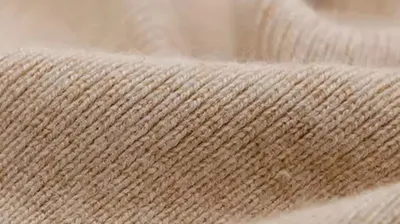
This combination of qualities makes PET versatile enough to be used in textiles, films, fibers, and industrial applications, in addition to packaging.
What Affects PET’s Breakability?
While PET is stronger than many plastics, its durability depends on a few factors:
Manufacturing process: Techniques like injection molding or extrusion influence the alignment of PET molecules, which affects toughness.
Additives: The use of fillers or plasticizers can either increase flexibility or reduce strength, depending on formulation.
Environmental exposure: Prolonged contact with sunlight, heat, and humidity can weaken PET over time, making it more prone to cracks or stress fractures.
Usage conditions: Repeated use, exposure to hot liquids, or physical stress can also accelerate wear and breakage.
Different plastics break in different ways. For example, polystyrene is brittle and prone to snapping sharply, while polypropylene is flexible but scratches easily. PET, however, tends to break into blunt fragments rather than sharp edges, thanks to its semi-crystalline structure. This makes it safer in everyday use.
Its unique balance of rigidity and flexibility also makes PET ideal for products requiring strength without excessive weight—bottles, jars, caps, and packaging being the most common examples.
Over time, PET does degrade when exposed to high heat, light, and oxygen, which can reduce clarity and mechanical strength. Residues from catalysts used during production may also play a role in long-term weakening. However, PET’s recyclability offsets these concerns.
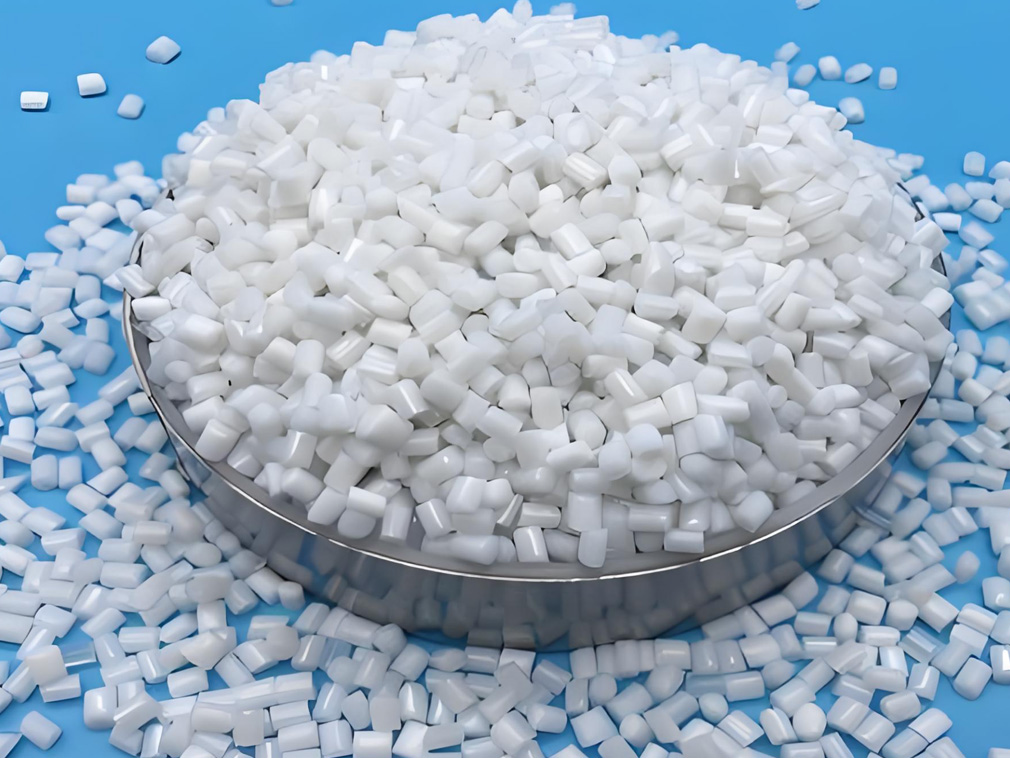
Broken PET containers, instead of being wasted, can be collected and processed into polyester fibers, ropes, carpets, or even new bottles. This ability to enter the recycling stream multiple times underlines PET’s environmental advantages over many single-use plastics.
At TDD-global, recycling is a central part of our PET strategy. By promoting closed-loop systems, we aim to reduce waste and support global sustainability efforts.
The packaging sector remains PET’s biggest arena, especially for beverages and food products. Its transparency ensures products are visually appealing, while its barrier properties keep contents fresh. Beyond packaging, PET’s versatility extends into clothing fibers, films, and engineered components, proving its importance across industries.
Given its combination of durability, safety, and recyclability, PET is expected to remain a leading material in both consumer and industrial applications.
Is PET plastic breakable?
Yes, with enough force or under harsh conditions, PET can break. However, it is far more resistant to cracking and shattering compared to many other plastics.
What makes PET durable?
Its semi-crystalline structure and molecular alignment allow it to bend under stress rather than snap, providing superior impact resistance.
Can broken PET still be recycled?
Absolutely. Whether intact or broken, PET can be collected, melted, and repurposed into new products, reinforcing its reputation as an eco-friendly choice.
PET plastic is not unbreakable, but it is remarkably durable compared to most alternatives. Its ability to resist impacts, maintain clarity, and be fully recycled makes it one of the most important plastics of modern times. For industries and consumers alike, PET represents a balance of performance and sustainability.
At TDD-global, we continue to invest in PET innovation—ensuring it remains a reliable, safe, and environmentally responsible material for packaging and beyond.
Our platform connects hundreds of verified Chinese chemical suppliers with buyers worldwide, promoting transparent transactions, better business opportunities, and high-value partnerships. Whether you are looking for bulk commodities, specialty chemicals, or customized procurement services, TDD-Global is trustworthy to be your fist choice.