PET vs. PP in Drinking Water Bottles: Choosing the Right Material
When it comes to drinking water bottles, two plastics dominate the market: Polyethylene Terephthalate (PET) and Polypropylene (PP). Each material has unique strengths, making them suitable for different applications. PET is prized for its transparency, lightweight design, and barrier properties, while PP stands out for its toughness, chemical resistance, and heat tolerance. Understanding their differences not only helps manufacturers select the right resin but also guides consumers toward safer and more sustainable choices. This article explores the roles of PET and PP in water bottle production, highlighting their advantages, applications, and the contribution of TDD-GLOBAL as a trusted PET resin supplier.
Plastic bottles have become a staple in the global beverage market, especially for drinking water. Among the various polymers used in packaging, PET (Polyethylene Terephthalate) and PP (Polypropylene) are the most widely adopted. While they may look similar in finished products, their properties and applications vary significantly. For both consumers and producers, understanding these differences is key to making the right choice.
PET: Clarity and Performance
PET, often identified as resin code “1,” is the leading choice for bottled water packaging worldwide. Its popularity stems from several critical attributes:
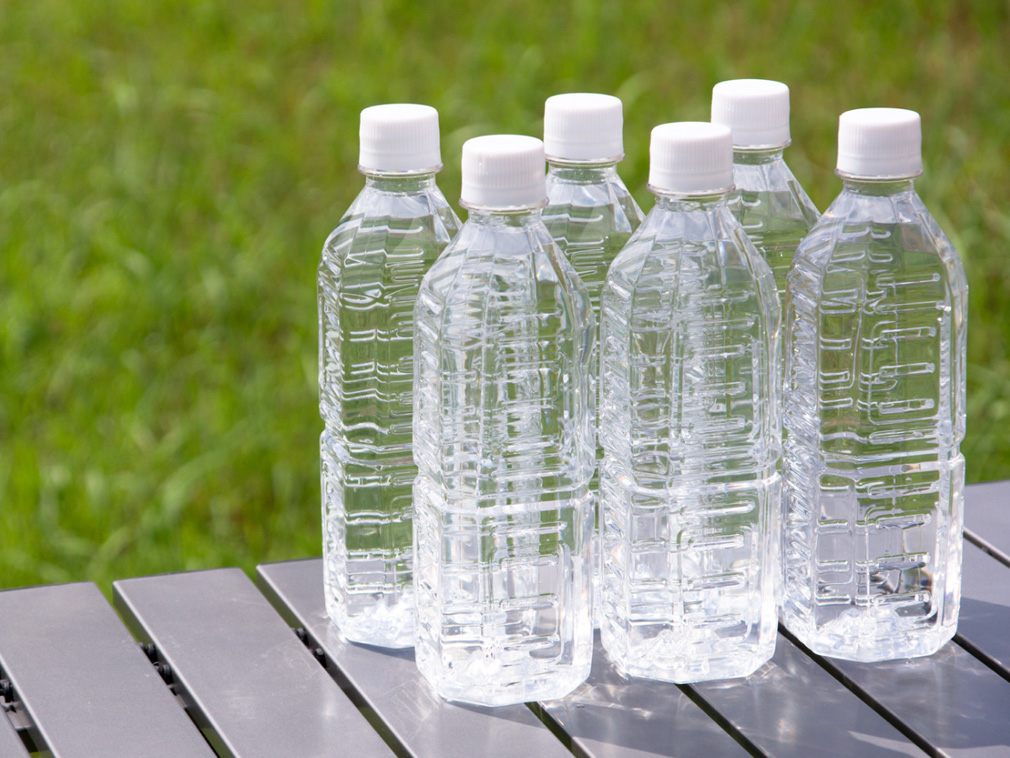
Transparency: PET is crystal clear, allowing consumers to see the contents inside. This visual appeal is one reason PET bottles dominate the single-use bottled water market.
Barrier Properties: PET acts as an effective shield against oxygen and carbon dioxide, which helps maintain water’s freshness and taste.
Lightweight and Strong: PET bottles are durable yet easy to carry, offering convenience without sacrificing safety.
BPA-Free and Safe: Unlike some plastics, PET contains no Bisphenol A (BPA), ensuring safe contact with food and beverages.
Recyclability: PET is one of the most widely recycled plastics. With proper collection and processing, used bottles can be repurposed into fibers, packaging, and even new bottles.
Because of these features, PET is the standard material for single-use bottled water and also finds applications in some reusable bottles where clarity and lightness are priorities.
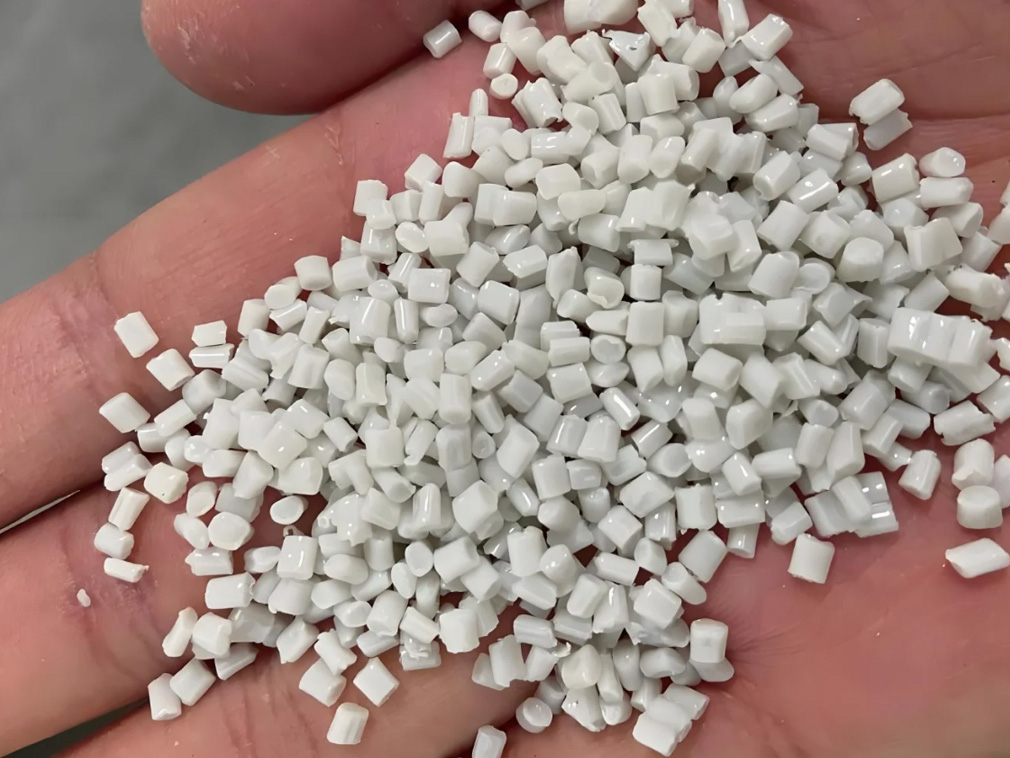
PP: Strength and Heat Resistance
PP, or Polypropylene, carries the resin code “5” and is well known for its toughness and versatility. Though less common in disposable water bottles, it plays a vital role in other types of containers:
Durability: PP can withstand repeated impact and stress, making it ideal for reusable bottles that endure daily handling.
Chemical Resistance: Unlike some plastics, PP does not easily interact with liquids, ensuring the taste of water remains pure.
Heat Tolerance: PP can resist higher temperatures, which makes it suitable for bottles that may be sterilized or hold warm liquids.
Recyclable: Like PET, PP is recyclable, though its recycling stream is not as widespread globally.
PP is commonly used in baby bottles, sports bottles, and premium reusable water containers, where strength and resistance to heat matter more than visual clarity.
PET vs. PP: Which One Fits the Purpose?
Choosing between PET and PP depends largely on the intended application:
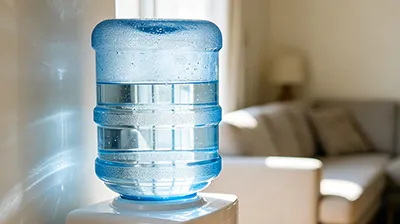
For single-use bottled water, PET is the obvious choice due to its clarity, lightweight design, and effective barrier properties. Consumers prefer clear bottles that showcase water’s purity, and manufacturers benefit from PET’s recyclability and cost efficiency.
For reusable bottles, PP often comes out on top. Its toughness, chemical resistance, and ability to handle hot liquids make it the go-to material for sports bottles, children’s bottles, and multi-use designs.
In short, PET excels in transparency and mass-market convenience, while PP shines in durability and specialty use.
Sustainability Considerations
Both PET and PP contribute to sustainability when managed properly. PET has a more developed recycling system worldwide, which makes it easier to collect and reprocess. In contrast, PP recycling is growing but still lags behind in many regions. Manufacturers committed to sustainability often focus on designing bottles with higher recyclability, lightweight structures, and reduced carbon footprints.
TDD-GLOBAL: Delivering Quality PET for the Packaging Industry
As demand for safe and sustainable packaging grows, reliable raw material supply is more important than ever. TDD-GLOBAL is dedicated to providing high-quality bottle-grade PET resin that meets international standards. Our resins are engineered for strength, clarity, and consistent performance, ensuring manufacturers can produce bottles that satisfy both consumer expectations and regulatory requirements.
By focusing on quality, reliability, and sustainability, TDD-GLOBAL helps packaging producers navigate the balance between performance and environmental responsibility. Whether for single-use water bottles or innovative packaging solutions, our PET resins remain a trusted choice for the global market.
Our platform connects hundreds of verified Chinese chemical suppliers with buyers worldwide, promoting transparent transactions, better business opportunities, and high-value partnerships. Whether you are looking for bulk commodities, specialty chemicals, or customized procurement services, TDD-Global is trustworthy to be your fist choice.