Key Factors Affecting PET Transparency
Among polymer materials, polyethylene terephthalate (PET) has garnered significant attention for its exceptional transparency, with widespread use in industries such as packaging, electronics, and healthcare. A detailed study of PET's transparency not only sheds light on its properties but also optimizes production processes and even opens up new applications, offering numerous benefits.
PET's excellent transparency is closely related to its unique molecular structure. PET's molecular chains are composed of terephthalic acid and ethylene glycol linked by ester bonds, resulting in a relatively regular and highly symmetrical molecular structure. This regular molecular structure allows PET to partially crystallize under certain conditions, albeit at a low degree of crystallinity.
When PET's crystallinity is controlled within an appropriate range, the molecular arrangement is relatively orderly and uniform, minimizing light scattering and absorption, resulting in high transparency. Furthermore, the absence of large side groups and highly polar groups in the PET molecular chain reduces intermolecular interactions and light scattering centers, further enhancing its light transmission properties.
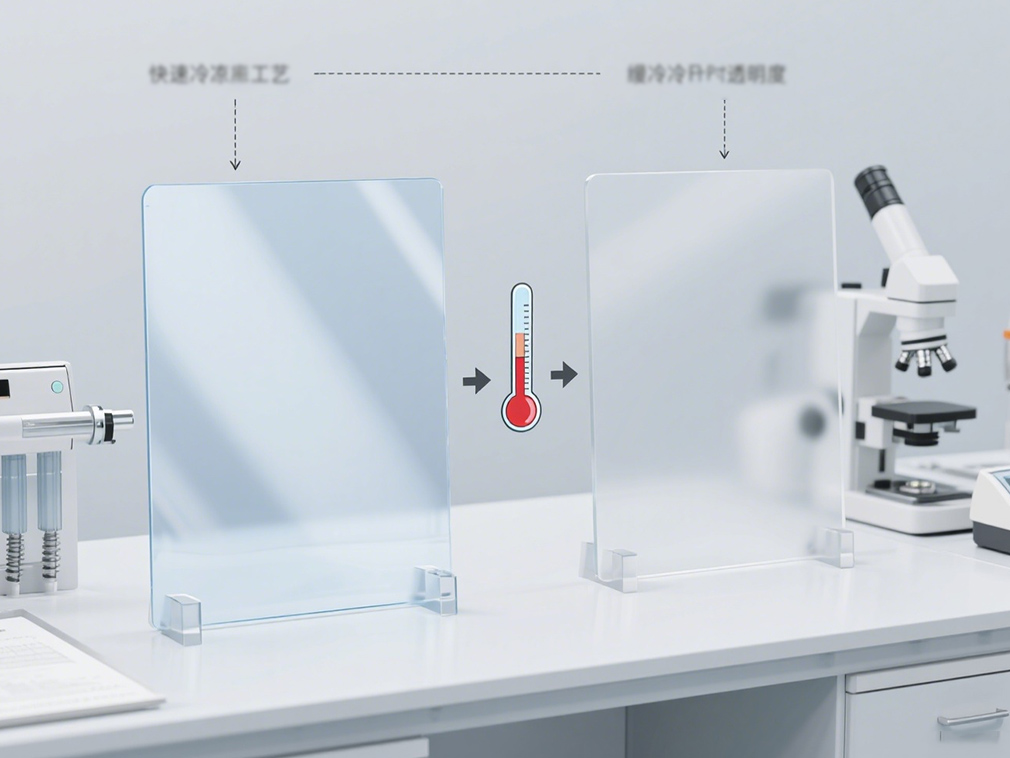
However, PET's transparency is not fixed and is affected by a variety of factors. Processing technology is a key factor. During the PET molding process, the cooling rate significantly influences its crystallization behavior. Rapid cooling can inhibit crystal growth, reduce crystallinity, and maintain high transparency.
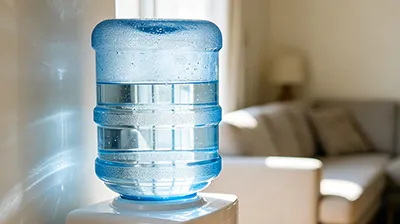
Slow cooling, on the other hand, promotes crystal formation and growth, leading to increased crystallinity and light scattering at the interface between crystalline and amorphous regions, reducing transparency. For example, in the blow molding process of PET bottles, precise control of mold temperature and cooling time allows for rapid cooling, resulting in extremely transparent beverage bottles.
In addition to processing technology, the use of additives also affects PET transparency. An appropriate amount of nucleating agent can modify the crystal morphology of PET, refine the grains, and reduce light scattering, thereby improving transparency to a certain extent. However, excessive or unevenly dispersed nucleating agent can create new scattering centers, reducing transparency.
Furthermore, the addition of plasticizers can disrupt the regularity of PET molecular chains, affecting crystallinity, and thus having a complex effect on transparency. Appropriate selection and use of plasticizers should be tailored to the specific situation.
The presence of impurities is another significant factor affecting PET transparency. During the synthesis and processing of PET, the introduction of impurities such as dust and metal particles can cause strong light scattering and reflection, resulting in a decrease in PET's transparency. Therefore, the purity of raw materials and the cleanliness of the production environment must be strictly controlled during PET production to minimize the impact of impurities.
To further enhance PET's transparency, a series of measures have been implemented in relevant research and production practices. By optimizing the polymerization process to improve the regularity of PET's molecular chains and the uniformity of its molecular weight distribution, light scattering caused by molecular structural defects can be reduced.
During processing, more advanced cooling techniques, such as rapid quenching, can effectively inhibit crystal growth, increase the amorphous fraction of PET, and thus enhance transparency.
In addition, the development of new transparency modifiers, such as certain organic small molecules or nanomaterials, which interact with PET molecular chains to improve its optical properties, is also an important approach to improving PET's transparency.
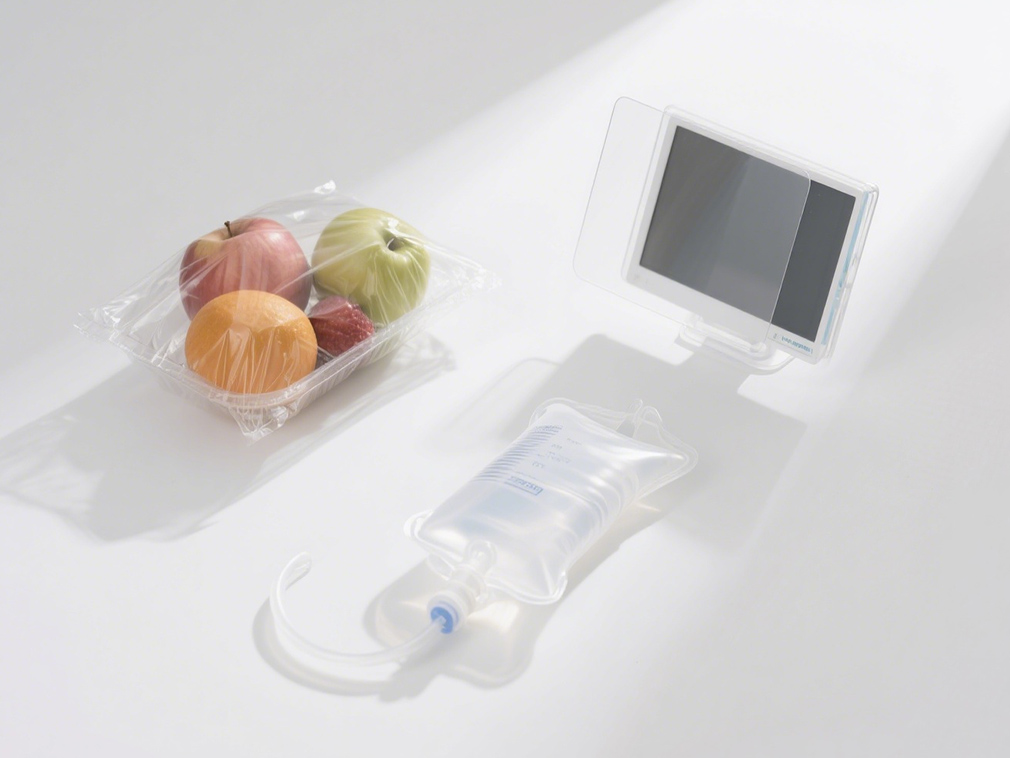
Highly transparent PET materials offer unique advantages and broad application prospects in numerous fields. In the packaging sector, transparent PET bottles and PET films are widely used for packaging food, beverages, cosmetics, and other products. Their excellent transparency clearly showcases the product's appearance and quality, attracting consumers' attention.
In the electronics sector, transparent PET film can be used to make protective films for displays and substrates for touch screens. Its excellent optical and mechanical properties ensure the proper operation and display quality of electronic devices.
In the medical field, transparent PET materials are used to make medical devices such as infusion bottles and syringes, facilitating the observation of the status and usage of medications. Its excellent chemical stability and biocompatibility also meet the stringent requirements of the medical field.
In summary, the transparency of PET is the result of the interaction of multiple factors, including its molecular structure, processing technology, additives used, and impurity control. By thoroughly studying these influencing factors and implementing effective optimization measures, the transparency of PET can be further improved, its application scope expanded, and the development of related industries can be strongly supported.
Our platform connects hundreds of verified Chinese chemical suppliers with buyers worldwide, promoting transparent transactions, better business opportunities, and high-value partnerships. Whether you are looking for bulk commodities, specialty chemicals, or customized procurement services, TDD-Global is trustworthy to be your fist choice.