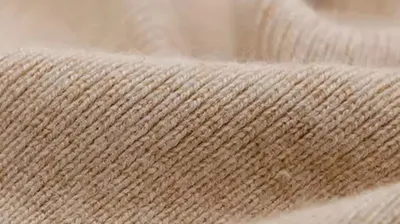
Why Polypropylene's Characteristics Make It Widely Used
Polypropylene (PP), a common thermoplastic polymer, is highly sought after due to the exceptional properties endowed by its unique molecular structure. Formed from propylene monomers through polyaddition reactions, PP exhibits a linear molecular chain structure and a degree of crystallinity. This semi-crystalline molecular arrangement is the root of many of its properties.
Flexibility is one of PP's most notable characteristics. Its semi-crystalline structure creates gaps and space between the molecular chains, allowing the material to bend, move, and compress to a certain degree when subjected to external forces.
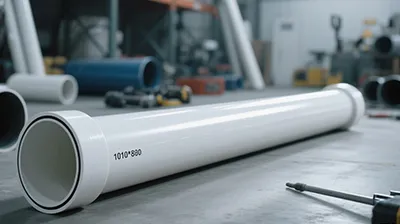
Once the external forces are removed, the molecular chains maintain their original shape largely due to their inherent elastic recovery. This property makes PP highly effective in many applications requiring a certain degree of deformability, such as in pipe fittings, which must withstand the stresses of installation without cracking.
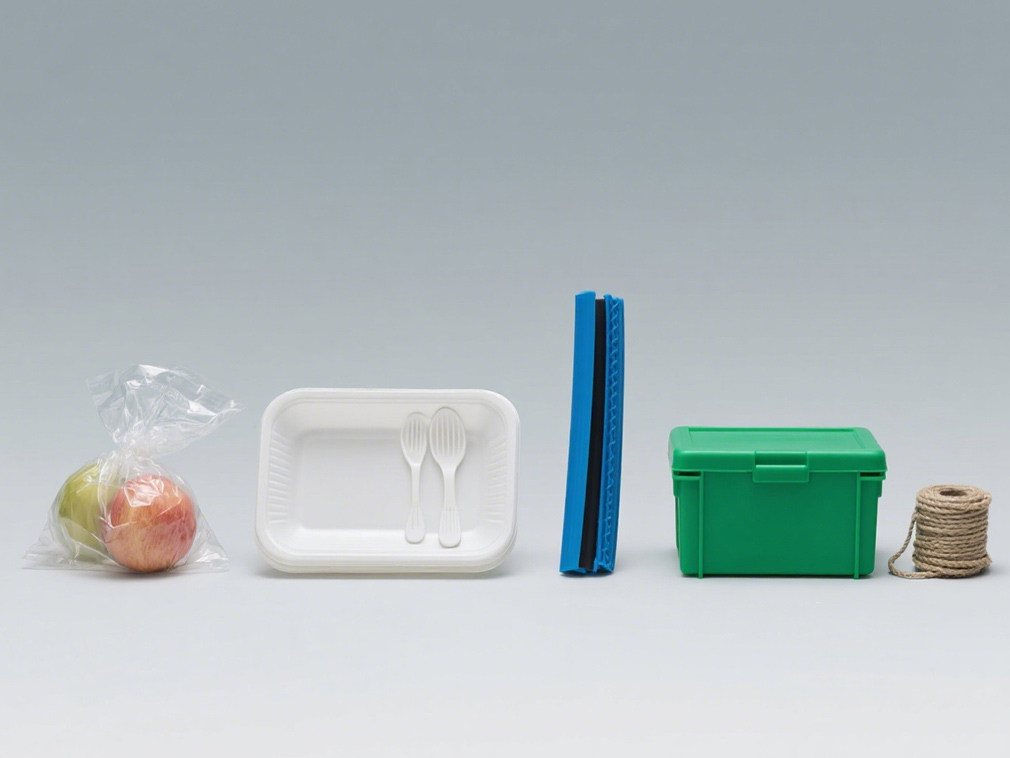
Toughness is a further extension of PP's flexibility. It not only allows for bending and movement but also maintains its functional stability under long-term stress and fatigue. This is because the forces between PP molecular chains are moderate.
When subjected to repeated external impacts, the molecular chains can adjust their arrangement to distribute the stress, preventing damage to the material due to excessive localized stress. In the automotive industry, elastic components made of PP, such as door seals, can withstand the friction and pressure of opening and closing doors for extended periods while maintaining excellent sealing performance.
PP's high resistance is a key reason for its widespread use. It exhibits excellent water resistance. Its molecular structure lacks polar groups, making it less susceptible to water molecules and preventing performance degradation due to water absorption.
This makes PP ideal for products such as outdoor storage boxes. In terms of chemical stability, PP is resistant to attack by certain chemicals and exhibits good tolerance to dilute acids and alkalis. However, it may be susceptible to corrosion in the presence of strong oxidants, requiring special attention during use.
PP also has excellent heat resistance, remaining stable within a certain temperature range and not easily melting or deforming. Its heat resistance temperature is generally around 100°C, making it suitable for use in microwave-safe tableware. PP also boasts excellent insulating properties. Because its molecules lack free electrons and therefore cannot conduct electricity, it is often used as insulation for wires and cables.
Polypropylene's light weight is a major advantage over competing materials. It has one of the lowest densities of all polymers, typically ranging from 0.90 to 0.91 g/cm³, though this density varies depending on the molecular structure.
The more regular the molecular chains, the higher the crystallinity, and the higher the density, but overall it remains relatively low. This low density makes products made from PP lightweight, saving significant shipping costs and making them easy to carry, such as various lightweight plastic shopping bags.
Polypropylene's variable transparency is also a key feature. Its chemical composition determines its ability to vary from opaque to transparent, a function primarily of its crystallinity. When the crystallinity is low, the molecular chains are more chaotically arranged, allowing light to pass through smoothly, resulting in a transparent appearance. However, when the crystallinity is high, the molecular chains are more regularly arranged, scattering light and making the material opaque.
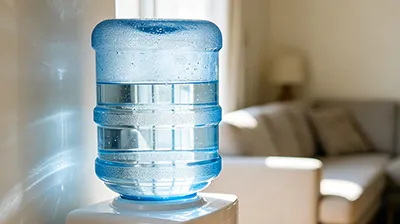
By adjusting process parameters during the production process, such as cooling rate, the crystallinity of PP can be altered, resulting in products with varying degrees of transparency. Transparent PP can be used in food packaging films, allowing consumers to clearly see the food inside; opaque PP is used in plastic containers where items need to be concealed.
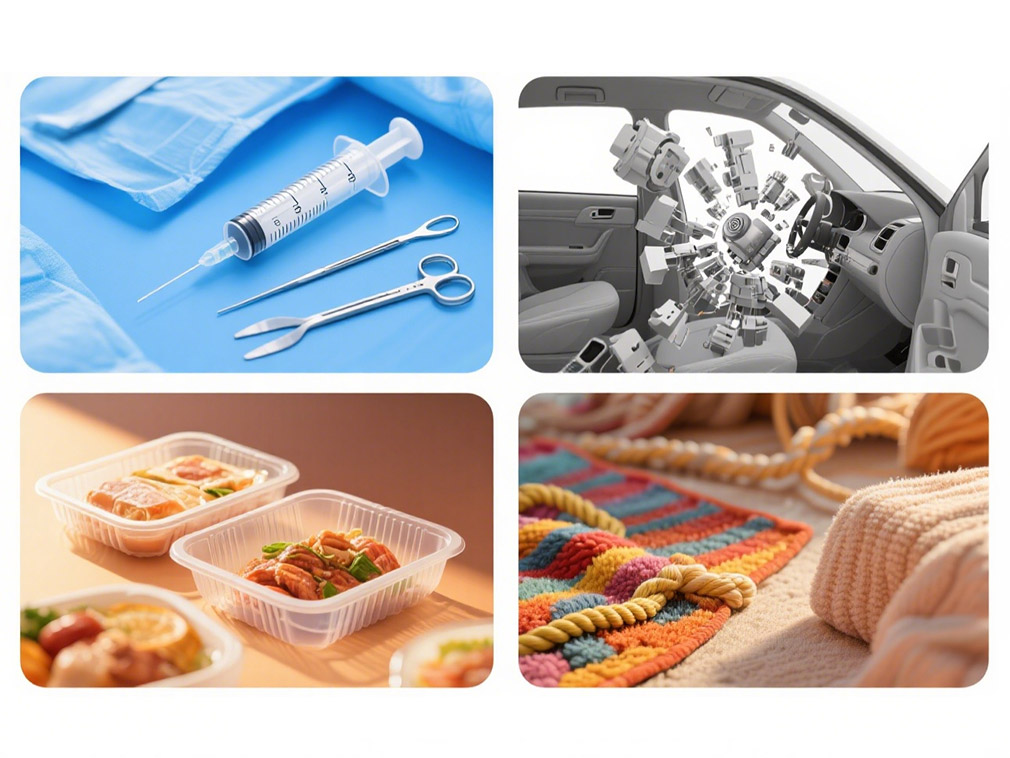
Due to these excellent properties, and its chemical properties that can be tailored through modification and other methods to suit diverse application requirements, PP has found widespread application in a wide range of fields. In medical devices, PP's chemical resistance and hygienic properties make it an ideal material for syringes, files, and cutlery, ensuring the safety and stability of medical supplies.
In the automotive industry, PP is used to create various detailed and decorative components, such as buttons and instruments, where its toughness and heat resistance meet the complex operating conditions of vehicle interiors.
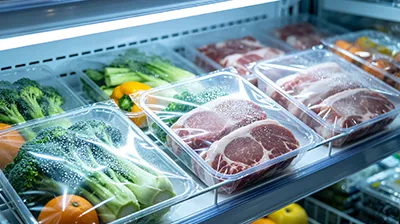
In the food packaging sector, films, plates, and trays made from PP are lightweight yet provide a degree of sealing, effectively protecting food. Plastic bottles and buckets containing cosmetics and cleaning products are also often made of PP because it resists the chemical compounds found in these products. PP can also be made into fibers for use in bags, ropes, clothing, and carpets, providing the strength and durability required for these applications.
In summary, polypropylene, with its flexibility, toughness, high durability, light weight, and variable transparency, plays a vital role in various industries, making it an indispensable material. With continued technological advancement, we believe that PP's performance will continue to improve, and its applications will continue to expand.
Our platform connects hundreds of verified Chinese chemical suppliers with buyers worldwide, promoting transparent transactions, better business opportunities, and high-value partnerships. Whether you are looking for bulk commodities, specialty chemicals, or customized procurement services, TDD-Global is trustworthy to be your fist choice.