PVC Impact Resistance Analysis
PVC (polyvinyl chloride) is a widely used general-purpose plastic. Its impact resistance (also known as impact strength) is one of the core indicators of its practical value.
This property directly affects the ability of PVC products to withstand external impacts and avoid cracking during actual use. Especially in fields such as construction, packaging, medical devices, and automotive manufacturing, impact resistance often determines the safety and service life of the product.
Fundamentally, the physical significance of PVC's impact resistance lies in the material's efficiency in absorbing and dissipating impact energy. When an external force in the form of a transient impact acts on the surface of a PVC product, the forces between the molecular chains and the ability of the chain segments to move together determine the material's response.
If the molecular chains are too rigid and their movement is restricted, the impact energy cannot be dissipated through chain slippage or curling, resulting in brittle fracture. Conversely, a relatively flexible molecular structure can absorb energy through deformation, thereby maintaining the integrity of the product.
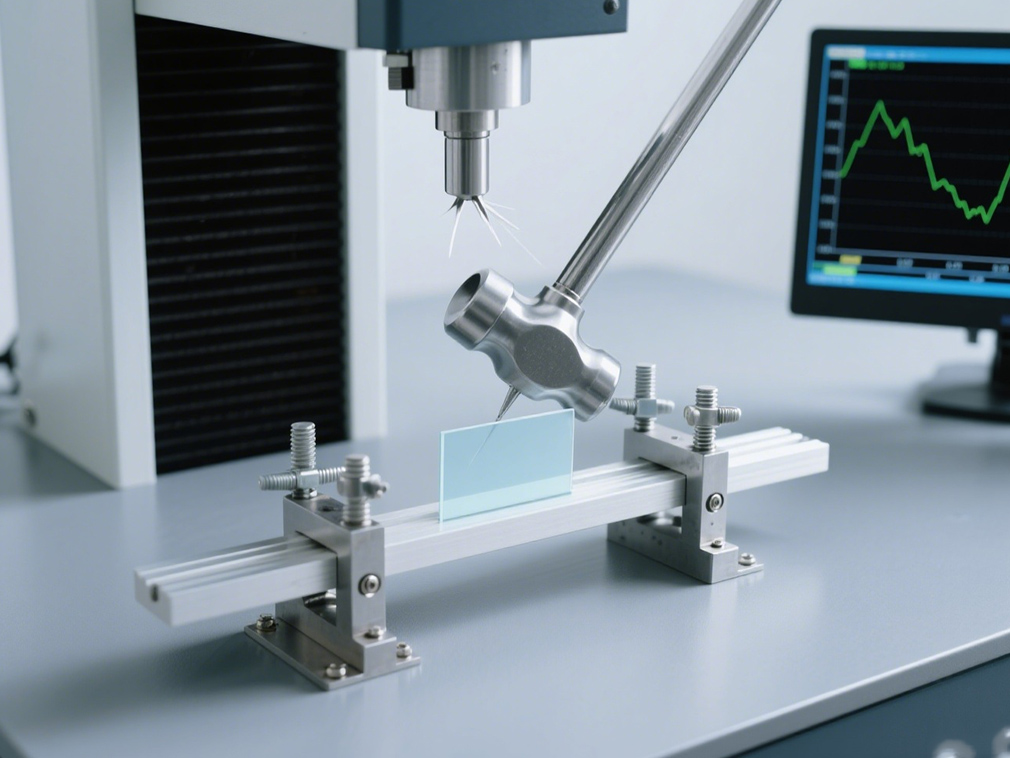
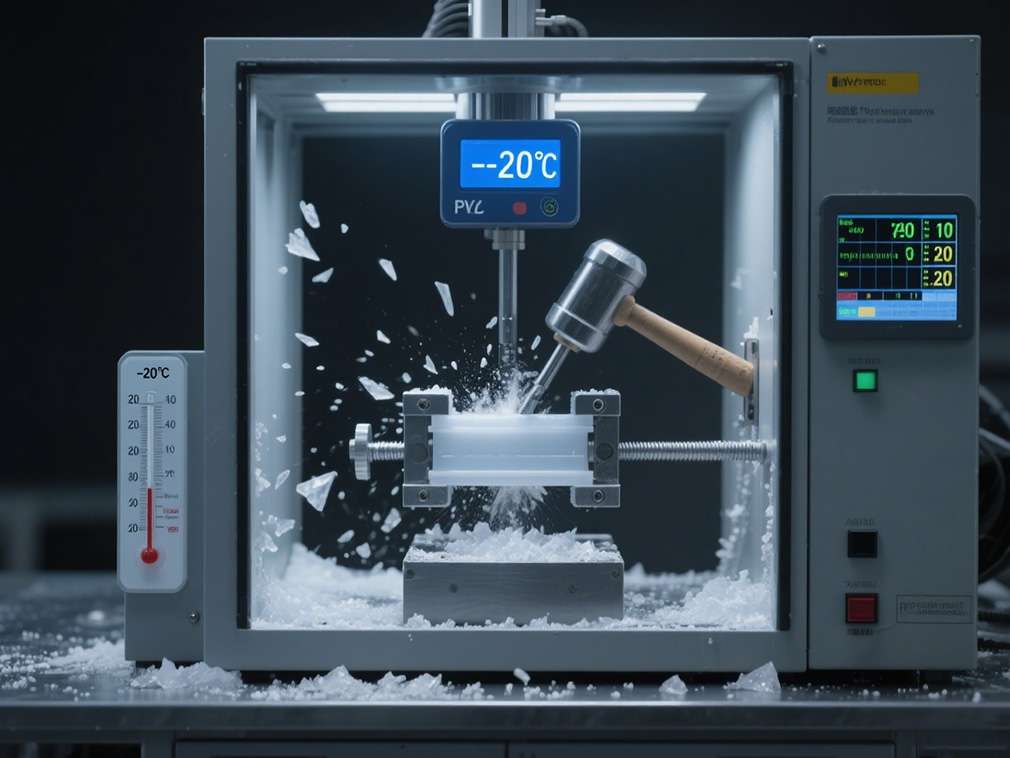
This difference in properties makes impact resistance a key consideration in PVC material modification and application selection. In terms of testing standards and methods, the industry generally adopts two mainstream methods: the Simple Beam impact test and the Izod beam impact test. In the Simple Beam test, the sample is fixed at both ends and the hammer strikes vertically from the center.
In the Izod beam test, the sample is fixed at one end and subjected to the impact load at the other end. Both methods quantify impact strength by measuring the energy required to break the sample (usually measured in kJ/m²). A higher value indicates a material with superior impact resistance. It is worth noting that the test temperature significantly affects the results.
Low temperatures increase the rigidity of PVC molecular chains, leading to a significant decrease in impact strength. Therefore, PVC products used in cold regions (such as water pipes and building profiles) require special attention to low-temperature impact resistance.
The factors affecting PVC's impact resistance can be analyzed from the perspectives of raw material formulation and processing technology. Pure PVC resin is a typical brittle material due to the strong polarity of chlorine atoms in its molecular structure, resulting in strong intermolecular forces and difficult chain segment movement.
The impact strength of unmodified PVC is typically only 2-5 kJ/m². To address this deficiency, the industry generally uses toughening agents. CPE (chlorinated polyethylene), ACR (acrylic copolymer), and MBS (methyl methacrylate-butadiene-styrene copolymer) are the most widely used toughening systems.
These toughening agents form elastic microdomains within the PVC matrix. When the material is impacted, these elastic microdomains induce silver crazing and prevent its expansion. They also absorb energy through deformation, increasing impact strength by 3-10 times.
The impact of processing technology on PVC's impact resistance is also significant. Temperature control during extrusion or injection molding is particularly critical: too low a temperature can lead to uneven plasticization of the material, creating internal stress concentration points and reducing impact resistance.
Too high a temperature can cause degradation of the PVC molecular chains, disrupting the compatibility of the toughening agent with the matrix, also leading to reduced performance. Furthermore, the rationality of the flow path design and the uniformity of the cooling rate in the mold can affect the crystallinity and internal stress distribution within the product, thereby altering the final impact strength performance.
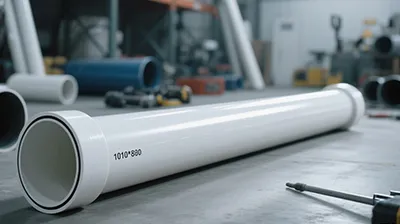
In practical application scenarios, the impact resistance requirements for PVC vary significantly across different sectors. PVC drainage pipes in the construction industry must withstand soil pressure and potential ground impact, typically requiring an impact strength of at least 10 kJ/m².
PVC infusion tubing used in medical devices prioritizes a balance between flexibility and impact resistance to prevent cracking and leakage during collisions. PVC materials for toys not only must pass rigorous impact testing but also consider the environmental friendliness of the toughening agents to prevent the migration of hazardous substances.
With technological advancements, innovative approaches to improving PVC's impact resistance are constantly emerging. The introduction of nanocomposite technology offers a new approach to enhancing performance. Dispersing nanofillers such as montmorillonite and carbon nanotubes within a PVC matrix can inhibit crack propagation through nanoscale interfacial interactions while maintaining the material's rigidity.
Furthermore, cross-linking modification technology creates chemical crosslinks between molecular chains, creating a three-dimensional network structure that enhances the material's resilience and resilience when absorbing impact energy. In short, PVC's impact resistance is the result of a complex interaction between material structure, formulation design, and processing technology.
Its performance optimization revolves around the core principle of "balancing rigidity and toughness." A thorough understanding of the nature and influencing factors of impact resistance not only provides precise material selection for specific applications but also drives the continued development of PVC modification technology toward higher performance and greater versatility, expanding the application boundaries of this traditional plastic.
Our platform connects hundreds of verified Chinese chemical suppliers with buyers worldwide, promoting transparent transactions, better business opportunities, and high-value partnerships. Whether you are looking for bulk commodities, specialty chemicals, or customized procurement services, TDD-Global is trustworthy to be your fist choice.