
Latest PVC bonding technology
PVC (polyvinyl chloride) is a widely used synthetic material. With its excellent chemical stability, mechanical properties and processing convenience, it plays an important role in many fields such as construction, chemical industry, water supply and drainage, and electronics.
The bonding technology that reliably connects PVC materials is a key link to ensure the performance and service life of PVC products. This article will comprehensively introduce various bonding methods for PVC to help readers gain a deeper understanding of this important process.
Solvent bonding is one of the most commonly used bonding methods for PVC materials. Its principle is to use the dissolution effect of a specific solvent on the surface of PVC to make the PVC molecular chains on the contact surface penetrate and diffuse with each other, and achieve molecular-level bonding after the solvent evaporates. Commonly used solvents include tetrahydrofuran, cyclohexanone, dichloromethane, etc.
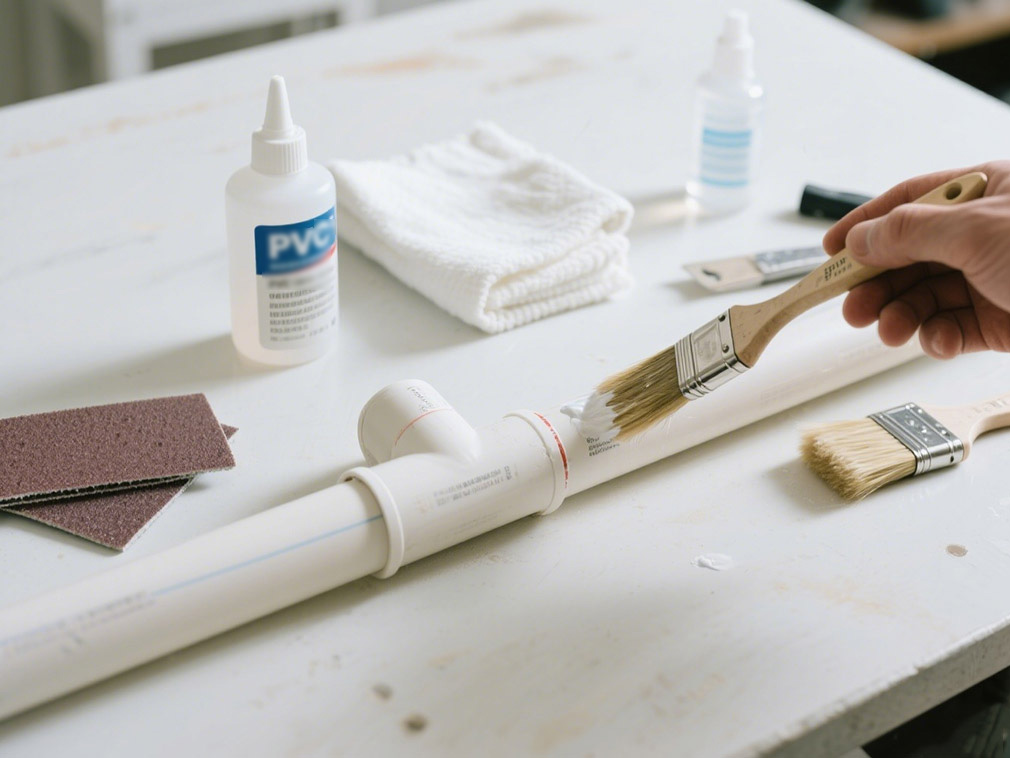
In practical applications, special PVC solvent glue compounded from multiple solvents is usually used. This bonding method is easy to operate and does not require complex equipment. It is suitable for the connection of small-diameter PVC pipes, plates and profiles.
When performing solvent bonding, surface treatment is the first step to ensure the quality of bonding. It is necessary to use sandpaper or a special scraper to thoroughly remove the oxide layer and oil stains on the PVC bonding surface, so that the surface presents a certain degree of roughness to increase the contact area between the solvent and the PVC. The treated surface needs to be wiped with a clean cotton cloth dipped in anhydrous ethanol to ensure that there is no dust and impurities remaining.
When applying glue, the solvent glue should be evenly applied to ensure that the bonding surface is completely covered. After applying the glue, it needs to be left to air for a while, and then docking can be carried out when the solvent evaporates initially and the glue layer is slightly sticky. Appropriate pressure should be applied during the docking process to ensure that the bonding surface is tightly fitted to avoid bubbles. The pressure needs to be maintained until the glue layer is completely cured.
Adhesive bonding is another important PVC bonding method, which is suitable for scenes where solvent bonding cannot be used, especially for connections between different materials, such as PVC and metal, PVC and rubber.
PVC-specific adhesives are usually made of synthetic resin as the base material, combined with tackifiers, curing agents, fillers and other ingredients. According to the curing method, they can be divided into room temperature curing type and heating curing type.
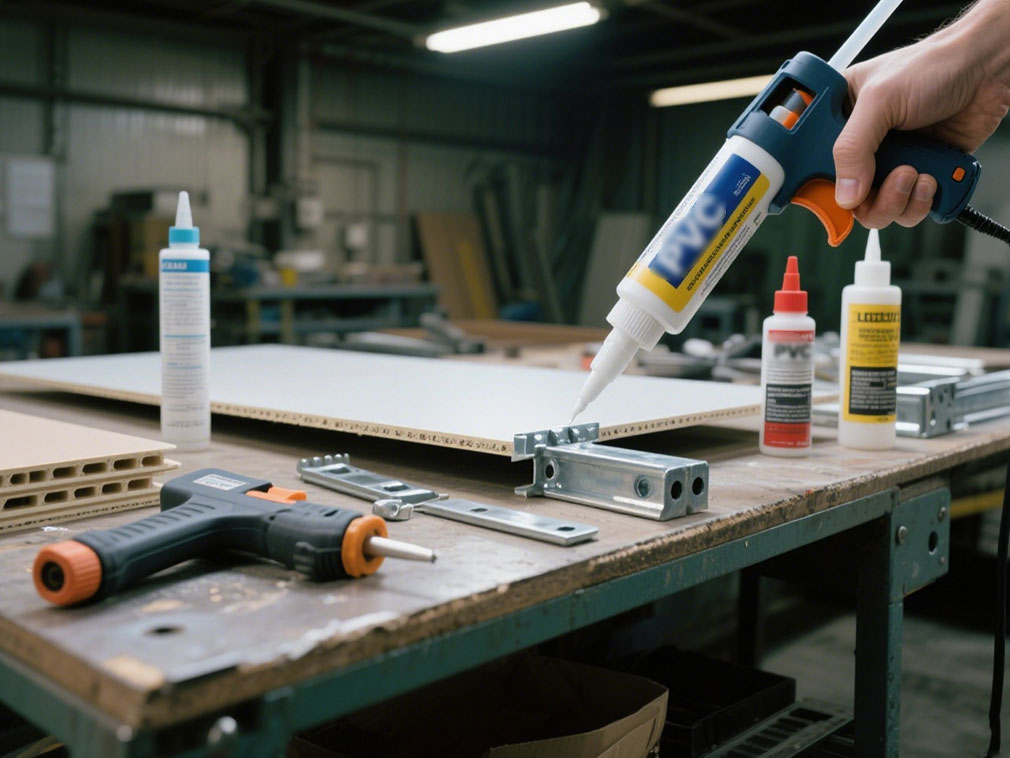
Room temperature curing adhesives are easy to use, do not require heating equipment, and are suitable for on-site construction; heating curing adhesives can provide higher bonding strength and temperature resistance, and are suitable for occasions with high bonding strength requirements.
When selecting adhesives, the specific application environment should be considered, such as whether it is in contact with water, chemical media, and the operating temperature range. For humid environments such as water supply and drainage pipes, waterproof adhesives should be selected; for PVC parts in chemical equipment, special adhesives that are resistant to chemical corrosion should be selected.
During the gluing process, the thickness of the adhesive layer should be controlled. If the adhesive layer is too thick, it is easy to cause incomplete curing, and if it is too thin, there may be a problem of insufficient bonding strength. Most adhesives require a certain curing time. The ambient temperature and humidity will affect the curing speed. Generally, the higher the temperature and the lower the humidity, the faster the curing speed.
Hot melt welding is a bonding method that melts the contact surface of the PVC material by heating and fuses it together under pressure. It is suitable for the connection of large-diameter PVC pipes, thick-walled plates, etc. According to different heating methods, it can be divided into hot air welding, hot melt butt welding and electric fusion welding.
Hot air welding uses a hot air gun to heat the PVC surface to a molten state, and at the same time, a welding rod is fed in for filling welding. It is suitable for splicing and repairing PVC sheets; hot melt butt welding heats and melts the end faces of two PVC parts through a heating plate, and then quickly removes the heating plate and applies pressure to fuse the two end faces.
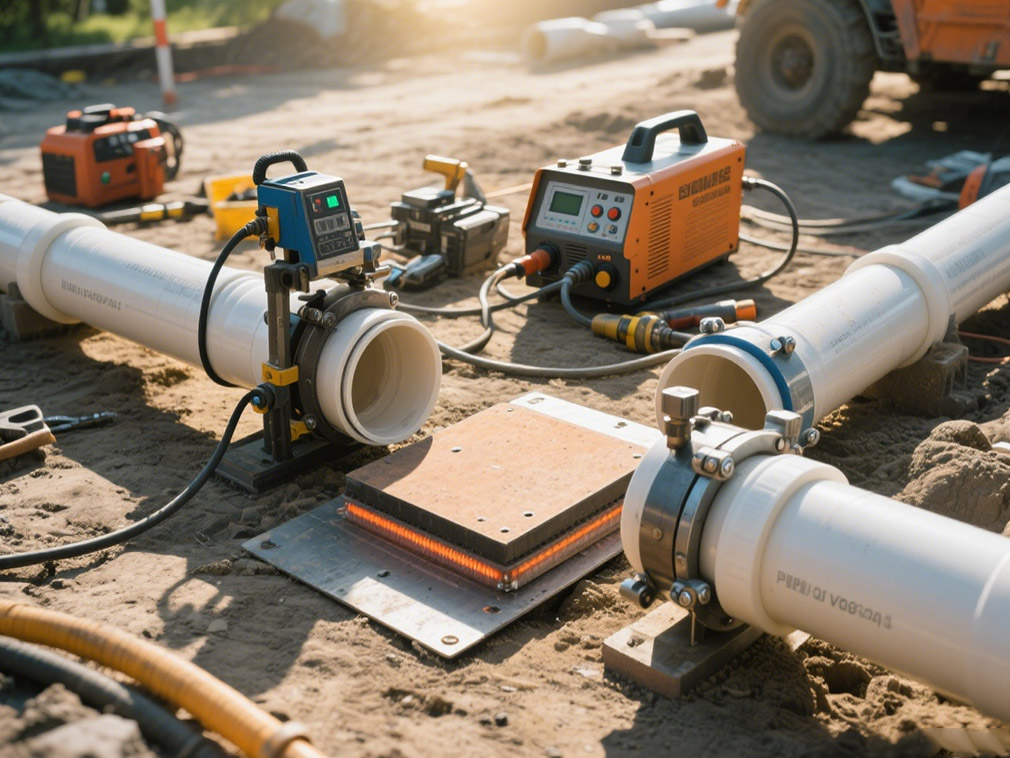
This method can obtain a joint with the same strength as the parent material and is widely used in the connection of large-diameter PVC pipes.
Electrofusion welding is a more advanced hot melt welding technology. The resistance wire pre-buried in the electric fusion pipe is energized and heated to melt the contact surface of the pipe fitting and the pipe at the same time, and a firm joint is formed after cooling.
Electric fusion welding has the advantages of stable welding quality, simple operation, and little influence by human factors. It is particularly suitable for use in narrow spaces or outdoor working environments. However, this method requires special electric fusion pipe fittings and welding equipment, and the cost is relatively high.
There are many factors that affect the bonding effect of PVC. In addition to choosing a suitable bonding method, environmental factors are also crucial. Too low a temperature will cause the solvent to evaporate slowly or the adhesive to cure incompletely, while too high a temperature may cause the adhesive layer to dry out too quickly, affecting molecular penetration.
Generally speaking, 15-30°C is a more suitable bonding temperature range. When the humidity is high, it will affect the evaporation of the solvent and the curing of the adhesive. Appropriate dehumidification measures should be taken or a moisture-resistant bonding solution should be selected.
The standardization of the bonding operation also directly affects the bonding quality. Operators need to undergo professional training, be familiar with the operating points of different bonding methods, and operate strictly in accordance with the process flow.
Maintenance after bonding should not be ignored. Before the adhesive layer is completely cured, the joint should be protected from external impact or vibration to ensure that the bonding strength can be fully developed.
With the continuous advancement of material technology, PVC bonding technology is also continuously innovating. New environmentally friendly solvent glues and high-performance adhesives are constantly emerging, reducing the impact on the environment while improving bonding performance.
Intelligent welding equipment makes the temperature, pressure and other parameters of hot melt welding more accurately controlled, further improving the stability of welding quality.
In short, there are many different methods for bonding PVC, and each method has its own scope of application and operating characteristics. In practical applications, the most appropriate bonding method should be selected based on the material, structure, size, and use environment of the PVC product, and each link in the operation process should be strictly controlled to ensure a firm and reliable bonding joint and give full play to the excellent performance of PVC materials.
Our platform connects hundreds of verified Chinese chemical suppliers with buyers worldwide, promoting transparent transactions, better business opportunities, and high-value partnerships. Whether you are looking for bulk commodities, specialty chemicals, or customized procurement services, TDD-Global is trustworthy to be your fist choice.












