Methyltin Mercaptide: Key Heat Stabilizer for Transparent PVC
PVC (polyvinyl chloride) is the second largest general-purpose plastic in terms of production volume after polyethylene, but it has an inherent weakness—it is not heat-resistant. When the processing temperature reaches above 140℃, the PVC molecular chains begin to "dechlorinate," releasing hydrogen chloride gas, causing the material to yellow and become brittle. To solve this problem, heat stabilizers are needed.
Methyltin Mercaptide (MTM) is one such high-performance sulfur-containing organotin stabilizer, especially in the field of transparent rigid PVC products, where it is almost an indispensable key additive.
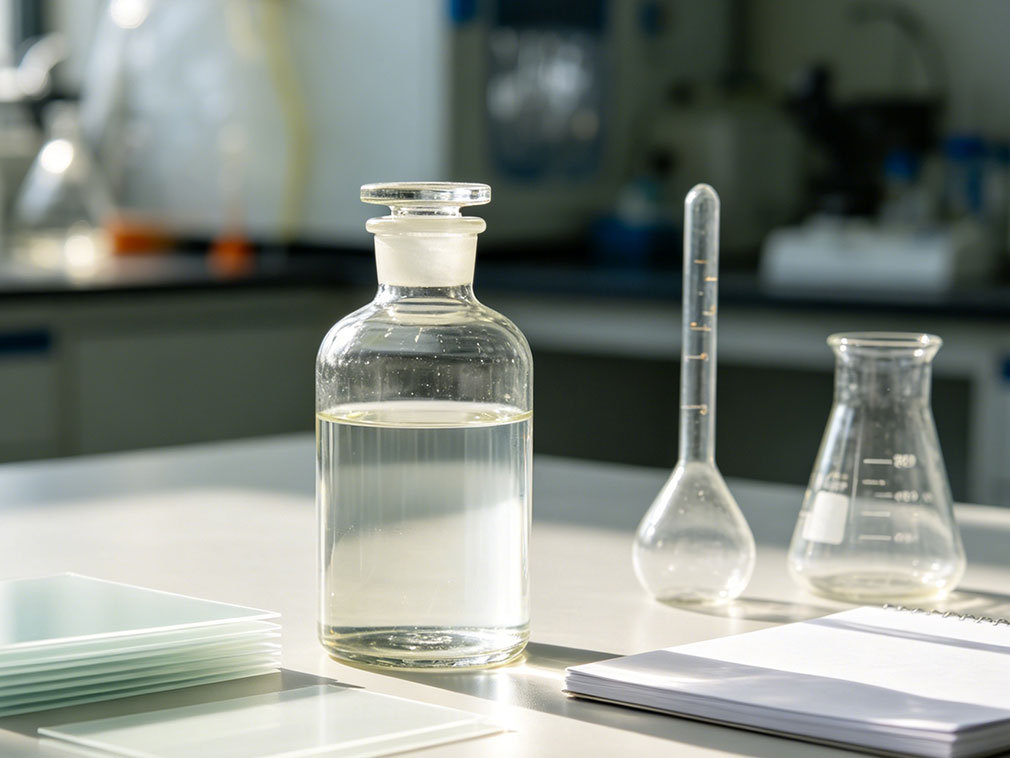
MTM is a mixture of two types of compounds. One is called dimethyltin bis(2-ethylhexyl mercaptoacetate), known in the industry as "dimethyl" (CAS number 57583-35-4); the other is called methyltin tri(2-ethylhexyl mercaptoacetate), known as "monomethyl" (CAS number 57583-34-3).
Their functions differ: monomethyl bis(2-ethylhexyl mercaptoacetate) is used in the early stages, ensuring a clean color when the product first emerges from the mold; monomethyl bis(2-ethylhexyl mercaptoacetate) is used in the later stages, preventing discoloration and brittleness during prolonged high-temperature processing.
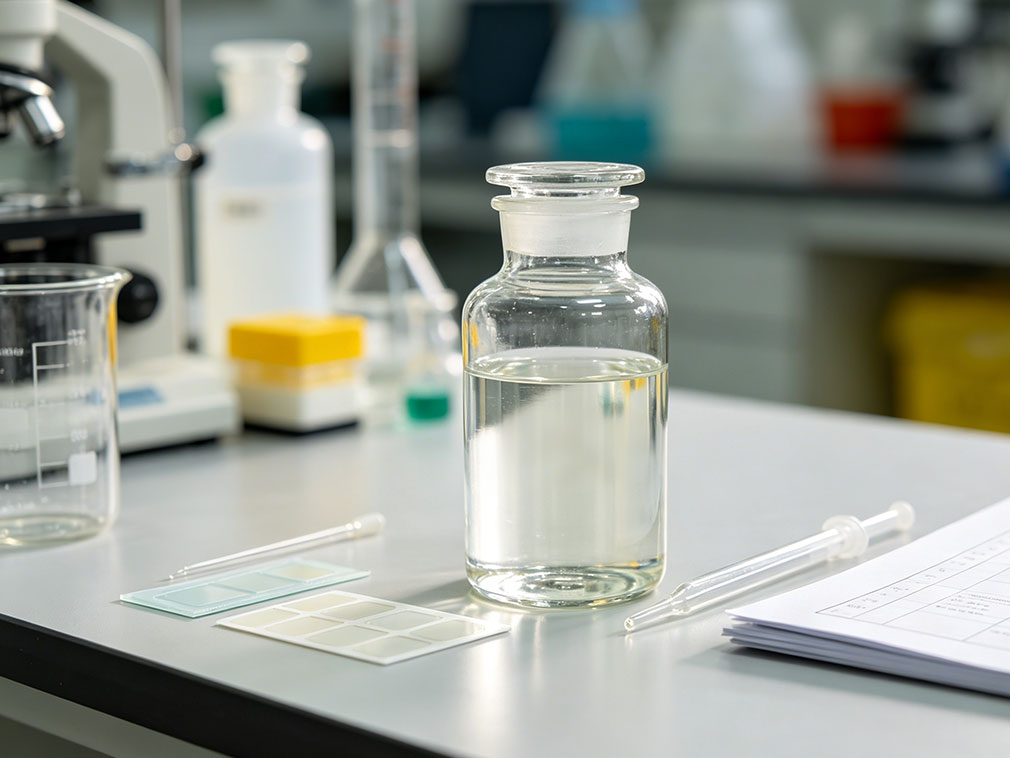
The formulation ratios vary from company to company; some are slightly more than 1/2 methyl sulfide, while others are the opposite, depending on the product and processing conditions. The substance itself is a colorless to pale yellow transparent oily liquid with a slight thiol odor—not pungent, but the workshop needs ventilation. Its density is approximately 1.18 (25℃), with a tin content of 19% or higher. It remains fluid at -20℃ and is non-flammable.
The principle is quite simple. PVC releases chlorine and HCl when heated. The HCl, in turn, causes more chlorine to be released, creating a snowball effect. Conjugated double bonds grow on the molecular chain, which absorb light and release color, thus changing the product's color. MTM's tin-sulfur bonds first capture the free HCl, generating tin chloride and thiols, breaking the autocatalytic chain at this point.
Then, the thiol group replaces the most problematic active chlorine atom on the PVC chain with a stable thioester group, effectively extinguishing the ignition point beforehand. Finally, it can add to the already grown conjugated double bonds, dispersing the color-producing groups. After three steps, both initial color and long-term heat resistance are achieved.
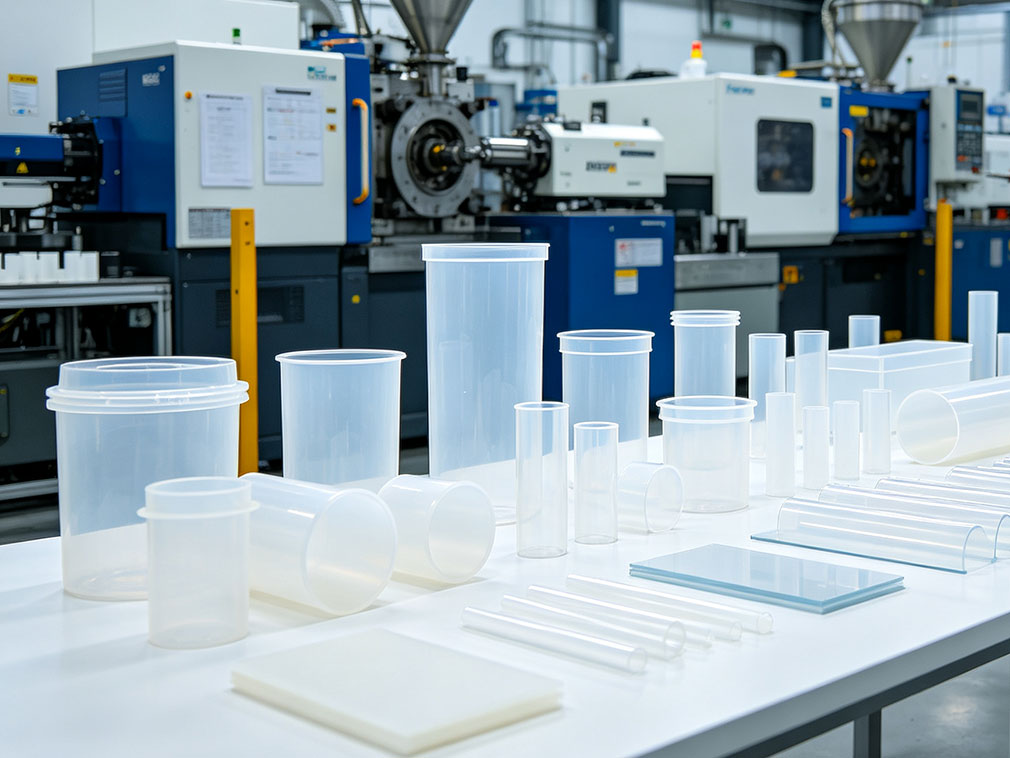
The most direct reason for formulaters to choose MTM is its transparency. Rigid sheets and films made with it are as transparent as glass, without whitening or blooming, a feature that butyltin and octyltin cannot match. It also has good compatibility; even if left in the formula for a long time without affecting mechanical or electrical properties, it's still economical. Generally, 0.5 to 2 parts are enough, reducing usage by 15% to 20% compared to butyltin and octyltin.
Furthermore, it lowers melt viscosity, making the die less prone to scaling, and allowing for faster cleaning during color and material changes, resulting in less downtime—the workshop foreman understands these impacts on production efficiency better than anyone.
Of course, MTM isn't without its drawbacks. The sulfurous smell is unavoidable; although not strong, it can be uncomfortable in poorly sealed workshops after prolonged exposure. Its lightfastness is not as good as maleate-type organotin compounds; for outdoor transparent materials, additional light stabilizers are needed, otherwise, it will yellow after a few months of exposure.
The price is also higher, significantly more expensive than calcium-zinc systems. Therefore, manufacturers still prefer calcium-zinc for high-volume, ordinary pipes and building materials. MTM's main focus is on high-end transparent products and areas with food-grade requirements; it's not a panacea.
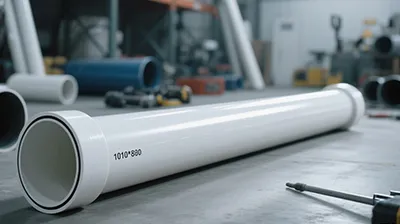
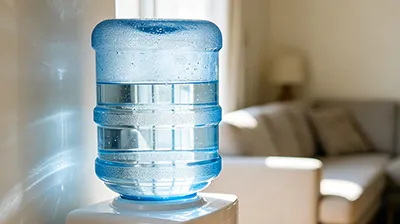
Specifically, it's used in: calendered films, heat-shrink films, printed films, transparent rigid sheets, advertising films, composite sheets, drinking water pipes, chemical pipes, door and window profiles, wood-plastic profiles, blow-molded bottles, food packaging containers, injection-molded granules and electronic casings, and medical devices such as infusion sets. It's clear that either transparency or food and drinking water contact is required—these are precisely MTM's strengths, and other stabilizers are difficult to replace.
In the past two years, the industry trend has been the phasing out of lead salts, with organotin and calcium-zinc filling the gap. MTM has established itself in high-end products and food-grade pipes thanks to its transparency, thermal stability, and food contact suitability. The synthesis process is also improving; trimethyltin residue can be reduced to below 0.1%, significantly improving safety compared to earlier years.
Our platform connects hundreds of verified Chinese chemical suppliers with buyers worldwide, promoting transparent transactions, better business opportunities, and high-value partnerships. Whether you are looking for bulk commodities, specialty chemicals, or customized procurement services, TDD-Global is trustworthy to be your fist choice.