Understanding Epoxidized Soybean Oil (ESBO): Properties & Applications
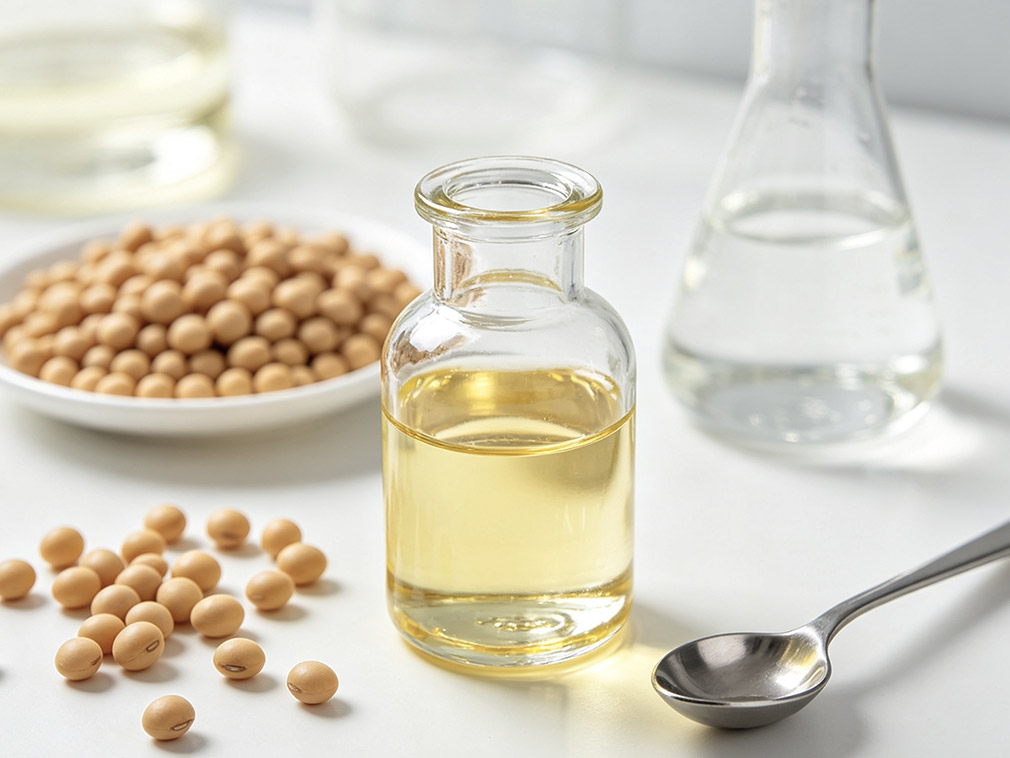
ESBO is an abbreviation for Epoxidized Soybean Oil, also known as ESO. It is produced from soybean oil through an epoxidation reaction. Its CAS number is 8013-07-8, and its EINECS number is 232-391-0. It belongs to a mixture of triglycerides (UVCB substances), not a single compound, and therefore does not have a unique molecular formula.
The industry typically uses its main component, epoxy linoleic acid glyceride, to approximate it as C₅₇H₉₈O₁₂, with a relative molecular mass of approximately 975. At room temperature, it is a light yellow viscous liquid, insoluble in water, but soluble in most organic solvents. In PVC systems, ESBO serves both as an auxiliary plasticizer and a heat stabilizer, and is often used to replace phthalate plasticizers.
Production Process
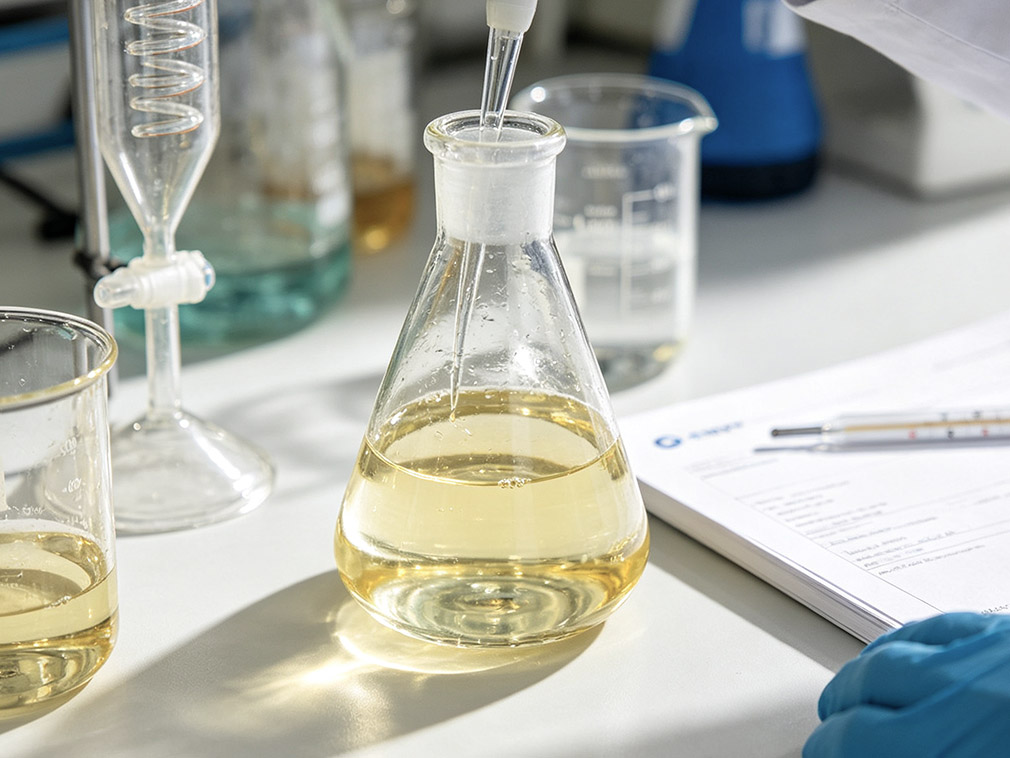
The raw material is refined soybean oil. Soybean oil has high unsaturation, numerous double bonds, and a high iodine value, making it ideal as a substrate for epoxidation. The overall process typically includes refining, epoxidation, washing, decolorization, and deodorization.
Epoxidation commonly uses peracetic acid or hydrogen peroxide/formic acid systems to convert carbon-carbon double bonds into epoxy groups, a classic Prilezhaev reaction. The generated epoxy groups are more reactive than the double bonds and can capture the hydrogen chloride released during the thermal degradation of PVC, thus interrupting the dechlorination chain reaction. This explains why ESBO has both plasticizing and stabilizing effects.
Application Analysis
ESBO holds a place in the field of additives due to its dual role of assisting plasticization and thermal stabilization: epoxy groups insert between PVC molecular chains, weakening intermolecular forces and providing flexibility; when heated, they can capture the released HCl, interrupting the autocatalytic degradation process. The emphasis of these two roles varies in different scenarios.
Flexible PVC: Food Packaging and Medical Products
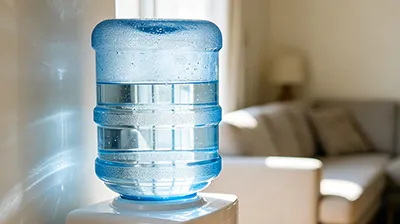
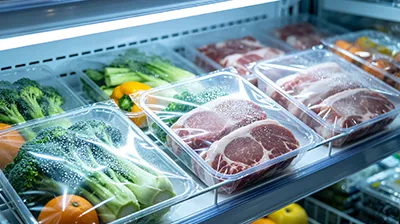
Traditional applications of ESBO include food wrap, glass jar sealing gaskets, and bottle cap liners. These applications value not only the plasticizing effect but also the low migration characteristics—large molecular weight, low vapor pressure, and good compatibility with PVC result in less leaching and volatilization compared to smaller molecule plasticizers, better meeting the requirements for food contact materials.
The situation is similar for medical-grade PVC: catheters, blood bags, and gloves require both flexibility and the ability to withstand ethylene oxide sterilization or high-temperature disinfection. ESBO's thermal stability and low leaching support these processing and sterilization procedures. These applications typically use food-grade or medical-grade specifications with higher epoxy values and lower iodine values.

Wires and Cables and Durable Building Materials
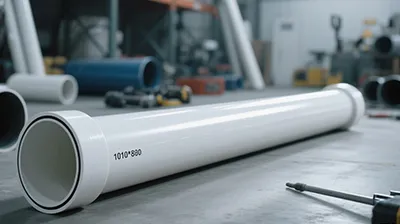
Cable insulation sheaths need to withstand thermal aging under extrusion processing and long-term electrical heating conditions. ESBO combines plasticizing and thermal stabilizing functions, helping to extend product lifespan and inhibit HCl corrosion of conductors. Outdoor or long-life building materials such as artificial leather, floor rolls, and door and window profiles also benefit from its improved weather resistance and reduced plasticizer volatilization and surface leaching.
Excessive dosage can affect electrical performance. Cable formulations typically keep ESBO levels low, often in combination with a primary plasticizer. For this type of application, food-grade specifications are not strictly required; industrial grade is sufficient, and the cost is relatively low.
Coatings and Inks
In industrial varnishes and two-component epoxy resin systems, ESBO can act as a reactive diluent: the epoxy groups participate in ring-opening crosslinking, improving coating flexibility, adhesion, and impact resistance, while simultaneously reducing system viscosity and VOC solvent usage.
However, for UV free radical rapid curing, its derivative, epoxy soybean oil acrylate (CAS 91722-14-4, abbreviated as ESOA), is mainly used, relying on the rapid polymerization of acryloyl groups under ultraviolet light. ESBO itself is more suitable for cationic UV curing or epoxy systems; the two should not be confused when selecting ESBO.
Synergistic Effects of Rigid PVC and Stabilizers
In rigid PVC (U-PVC) formulations, a small amount of ESBO is also useful: it can act as an auxiliary heat stabilizer, synergizing with metal soap stabilizers such as Ca-Zn to reduce the amount of metal stabilizers used, and also as an internal lubricant to improve processing fluidity. Adding a small amount of DOP to a rigid PVC formulation may cause "anti-plasticization" (increased rigidity, decreased impact strength); using ESBO can avoid this problem.
Lubricants and Others
Metalworking fluids and textile oils use ESBO as a bio-based component, utilizing its high flash point, low volatility, and biodegradability; it is also found in some chlorinated paraffin replacement formulations. Its derivatives can also be used as surfactants, polyol substitutes, etc.
When selecting ESBO, several factors can be considered: whether the primary focus is on stabilization or plasticization, whether food contact is involved, and the processing temperature. For food and medical applications, high epoxy value and low iodine value specifications are preferred, for cable and building material applications, heat resistance and electrical properties are important, and dosage should be controlled; for coatings and inks, reactivity is important, and the difference between ESBO bulk and its acrylate derivatives should be considered.
In terms of formulation, ESBO is often used as an auxiliary component in combination with main plasticizers (such as DOTP and DINP). It is difficult to achieve sufficient softness when used alone. The common dosage for soft products is 3–8 parts (phr), while for rigid and stabilizing synergistic applications, it is 1–5 parts.
Our platform connects hundreds of verified Chinese chemical suppliers with buyers worldwide, promoting transparent transactions, better business opportunities, and high-value partnerships. Whether you are looking for bulk commodities, specialty chemicals, or customized procurement services, TDD-Global is trustworthy to be your fist choice.