Modified Polypropylene: Stronger, Tougher, and More Versatile PP
Modified Polypropylene: How to Make Ordinary PP Stronger, Tougher, and Better?
Polypropylene, commonly known as PP, is one of the most common plastics in daily life. It is low-cost, lightweight, and chemically resistant. However, in many industrial applications, ordinary PP has a significant problem: it easily becomes brittle at low temperatures, dimensional accuracy is difficult to control, and it is prone to cracking under strong impact. These problems limit its use in automobiles, home appliances, and high-strength components.
To meet higher requirements for PP, materials engineers have developed a systematic modification method. "Modification" does not mean turning PP into another material, but rather adjusting its microstructure and composition through physical or chemical means to ultimately obtain a modified polypropylene material with more balanced performance.
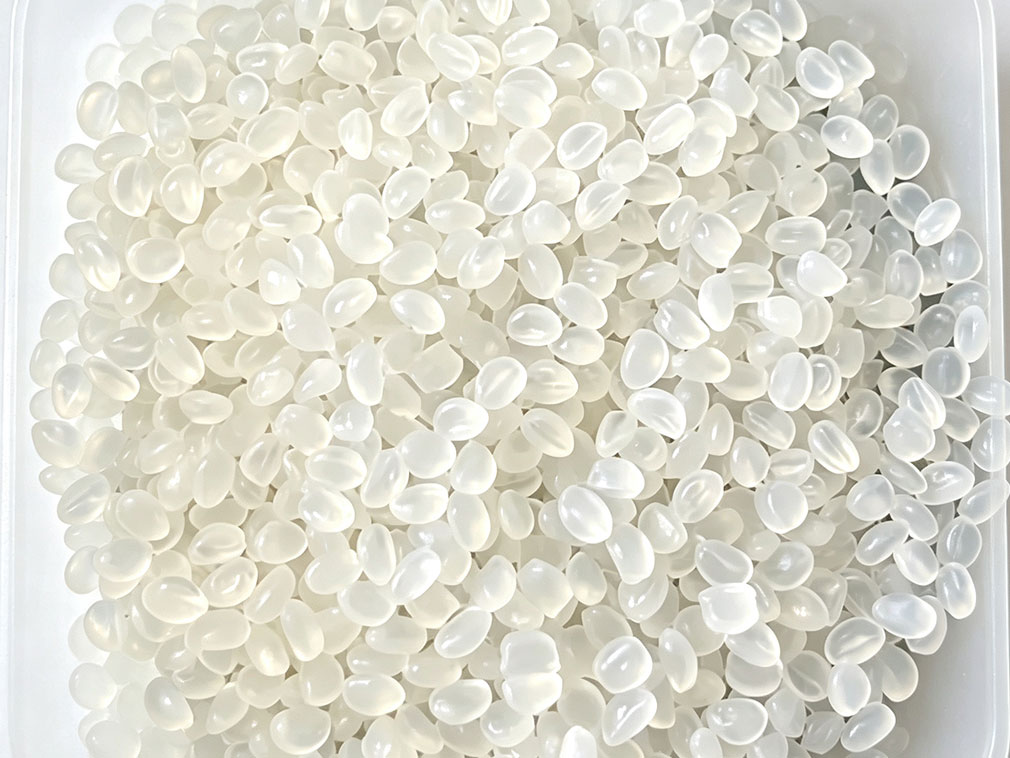
Four Core Approaches to Modification
Most modified PP formulations on the market are designed around the following four directions, often in combination.
1. Starting with the Molecular Chain – Copolymer Modification Ordinary homopolymer PP has relatively regular molecular chains, making chain segment movement difficult at low temperatures, resulting in brittleness. Introducing small amounts of monomers such as ethylene during the polymerization stage generates random copolymers or block copolymers of PP, essentially embedding flexible segments into the molecular chain, allowing the material to maintain a certain degree of deformability even at low temperatures. The room-temperature cantilever beam notched impact strength of this type of copolymer PP can be increased from 3-5 kJ/m² of ordinary PP to 15-30 kJ/m² or even higher, and it is less prone to brittle fracture even in environments ranging from -20°C to -30°C.
2. Enabling Materials to "Dissipate Stress"—Elastomer Toughening Adding thermoplastic elastomers, such as POE or EPDM, to the PP matrix creates tiny particles that are uniformly dispersed within the PP. When the material is impacted, these elastomer particles act like countless miniature shock absorbers, inducing crazing and shear yielding to dissipate impact energy instead of allowing cracks to penetrate directly. This type of toughening formulation is commonly used in components frequently subjected to collisions and vibrations, such as bumper liners, door trim panels, and seat side panels.
3. Adding Fillers to Increase Stiffness and Control Shrinkage – Fillers and Reinforcement If higher rigidity, heat resistance, or more stable dimensions are required, fillers need to be added. Two common methods are:
Talc Filler: Adding 10%-30% can increase the flexural modulus to 2000-3500 MPa, raise the heat distortion temperature from around 55℃ to 80-110℃, and control the molding shrinkage rate to 0.8%-1.2%, suitable for parts with high dimensional consistency requirements.
Glass Fiber Reinforcement: With a glass fiber content of 20%-30%, the tensile strength can be increased from around 30 MPa to 70-100 MPa, and the flexural modulus reaches 4000-6000 MPa, with performance approaching that of some engineering plastics. Suitable for load-bearing structural components such as front-end frames, fan covers, and pump housings.
4. Enhancing Melt Flow – Flow Modification In injection molding production, melt flowability directly affects the difficulty of mold filling and the molding cycle. By using controlled rheology technology to adjust the molecular weight distribution of PP in the molten state, the melt index can be increased from 3-5 g/10min to 30-60 g/10min while maintaining toughness as much as possible. High-flow modified PP is easier to fill complex, thin-walled mold cavities, reducing cycle time by 15%-30% and making scrap rates more controllable.
In addition to the above main methods, antioxidants, light stabilizers, and heat stabilizers are usually added to the formulation to delay aging and performance degradation during use.
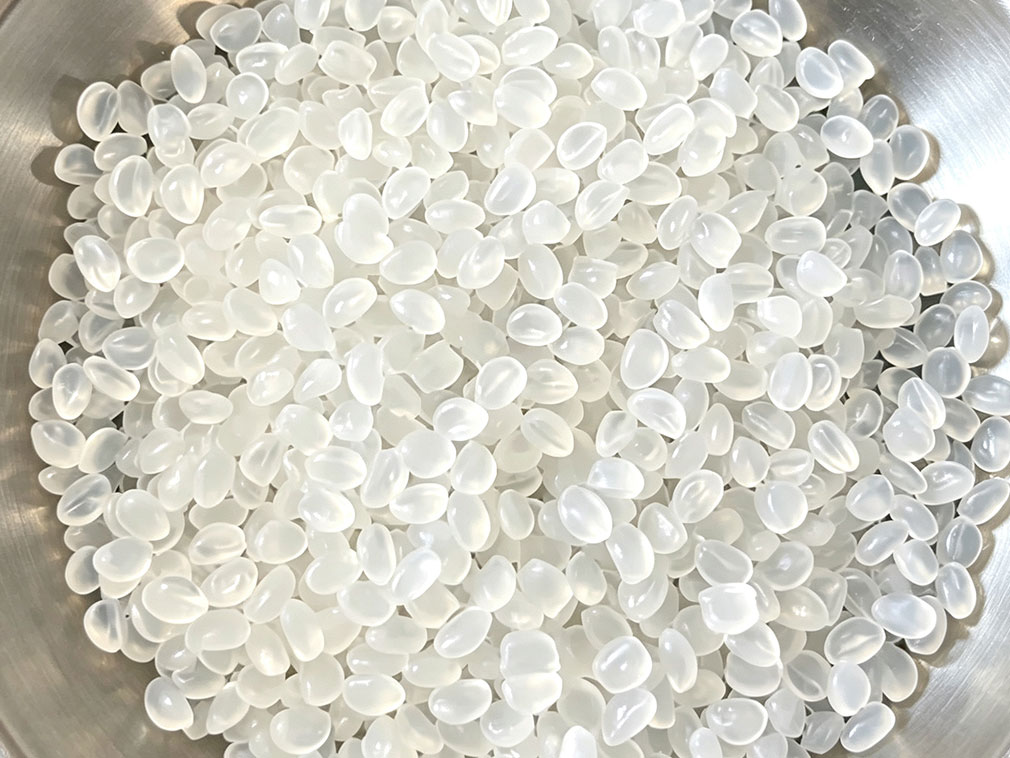
What should be noted during injection molding?
Modified PP has a relatively wide processing window. The barrel temperature is generally set at 200-240℃, with slightly higher temperatures for reinforced grades; the mold temperature is 20-60℃. Holding pressure and holding time should be set according to the product wall thickness and flow length ratio. Shrinkage varies depending on the type and content of filler. Talc-filled grades typically range from 0.8% to 1.2%, while glass fiber reinforced grades show differences in the flow direction and vertical direction. Specific data provided by the supplier must be consulted during mold design.
In recent years, thinner wall thicknesses have become a significant trend. Many parts have reduced their wall thickness from the traditional 2.5-3.0 mm to 1.5-2.0 mm. High-flow modified PP perfectly supports this weight-saving design, maintaining rigidity while reducing material usage. It also has mature compatibility with hot runner systems, multi-cavity molds, and quick-change systems, making it suitable for stable, high-volume production.
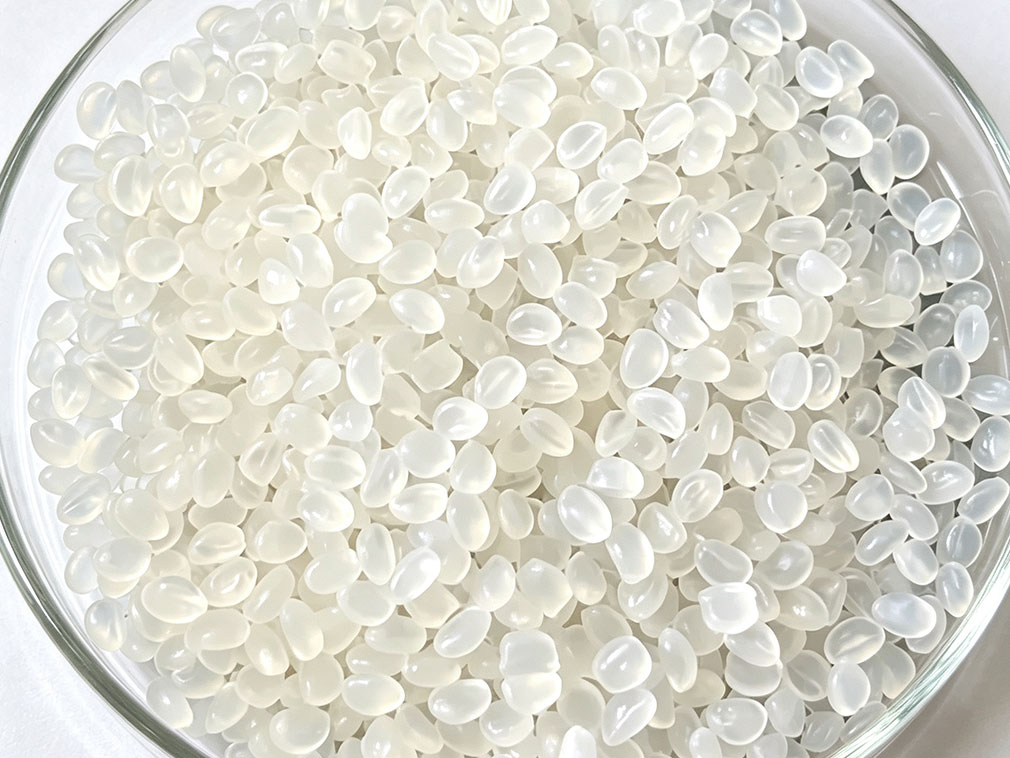
Where are they used?
Automotive Parts
This is one of the largest areas of use for modified PP. Instrument panel frames, door panels, pillar trim, glove boxes, center consoles, bumper liners, seat trim, etc., can all be manufactured using different grades of modified PP. Its density is only 0.89-0.92 g/cm³, with reinforced grades only slightly higher. Replacing metal parts can reduce weight by 30%-50%, helping gasoline vehicles reduce fuel consumption and electric vehicles extend their range.
New energy vehicles have higher requirements for cabin air quality; low-emission modified PP, through the selection of additives and optimization of the devolatilization process, controls total carbon emissions to a very low level and has been applied to large-area interior parts such as dashboards and door panels. In addition, modified PP grades that balance insulation, chemical resistance, and long-term thermal aging performance are also used in components such as battery module end plates, insulating separators, sealing caps, and cooling pipe supports.
Home and Consumer Goods: Everyday items such as chair armrests, storage boxes, bathroom shower housings, and robot vacuum cleaner shells also benefit from modified PP. High-flow grades are suitable for complex multi-cavity molds, while toughened grades make products more resistant to drops and scratches. Products that come into contact with food require grades that meet the corresponding food safety standards.
Industrial Parts
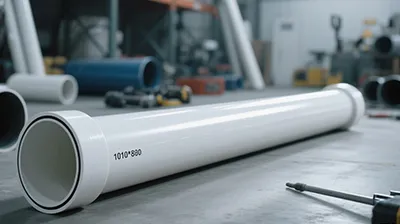
Glass fiber reinforced PP performs exceptionally well in industrial applications, used in pump housings, valves, pipe fittings, impellers, trays, and sanitation containers. Its operating temperature range is generally -20℃ to 100℃, and it exhibits good resistance to weak acids, weak alkalis, and lubricating oils. When replacing metals and some engineering plastics, it not only reduces weight but also decreases casting and machining processes.
Recycling and Regulatory Trends
PP itself is a thermoplastic material that can be recycled multiple times through heating. Scrap materials and discarded parts from the production process, after being crushed and granulated with controllable performance degradation, are already being used in secondary products such as wheel arch inner panels and building formwork. Currently, the industry is also promoting the modified application of post-consumer recycled PP (PCR-PP), and some European automakers have already set targets for the proportion of recycled plastics used in new models.
Regarding regulations, the EU's ELV Directive, REACH regulations, and domestic controls on hazardous substances and recyclability in automobiles are all driving the development of materials towards low emissions, easy recycling, and the absence of restricted substances.
Meanwhile, the combination of microfoaming, gas-assisted injection molding, and other processes with high-flow modified PP can reduce the weight of parts by more than 20% without sacrificing stiffness, while also meeting surface quality requirements. Its applications have expanded to include visible parts such as door panels and covers.
More Than Just "Better PP"
From a technical perspective, modified PP is not a single material, but rather a performance platform that can be adjusted as needed. Through flexible combinations of copolymerization, toughening, filler reinforcement, and flow modification, its performance range extends from general-purpose plastics to some engineering plastics.
It has already proven its value through numerous practical applications in terms of lightweighting, processing efficiency, and service life. With increasingly stringent recycling regulations and growing pressure to reduce carbon emissions, thin-walled design, recycled material blending, and the synergy between foaming processes and modified PP will be the main directions for the continued evolution of this material.
Our platform connects hundreds of verified Chinese chemical suppliers with buyers worldwide, promoting transparent transactions, better business opportunities, and high-value partnerships. Whether you are looking for bulk commodities, specialty chemicals, or customized procurement services, TDD-Global is trustworthy to be your fist choice.