
PET IV Value: Performance Core
In the application system of PET (polyethylene terephthalate) resin, intrinsic viscosity (IV) is not merely a numerical indicator, but a core control parameter throughout the entire chain from resin synthesis and processing to end-use applications.
As a key benchmark directly reflecting the polymer chain length and molecular weight distribution, subtle differences in IV values can lead to significant changes in the physicochemical properties and processing behavior of PET resin, ultimately profoundly affecting the quality stability, safety, and sustainability of bottled and packaged products.
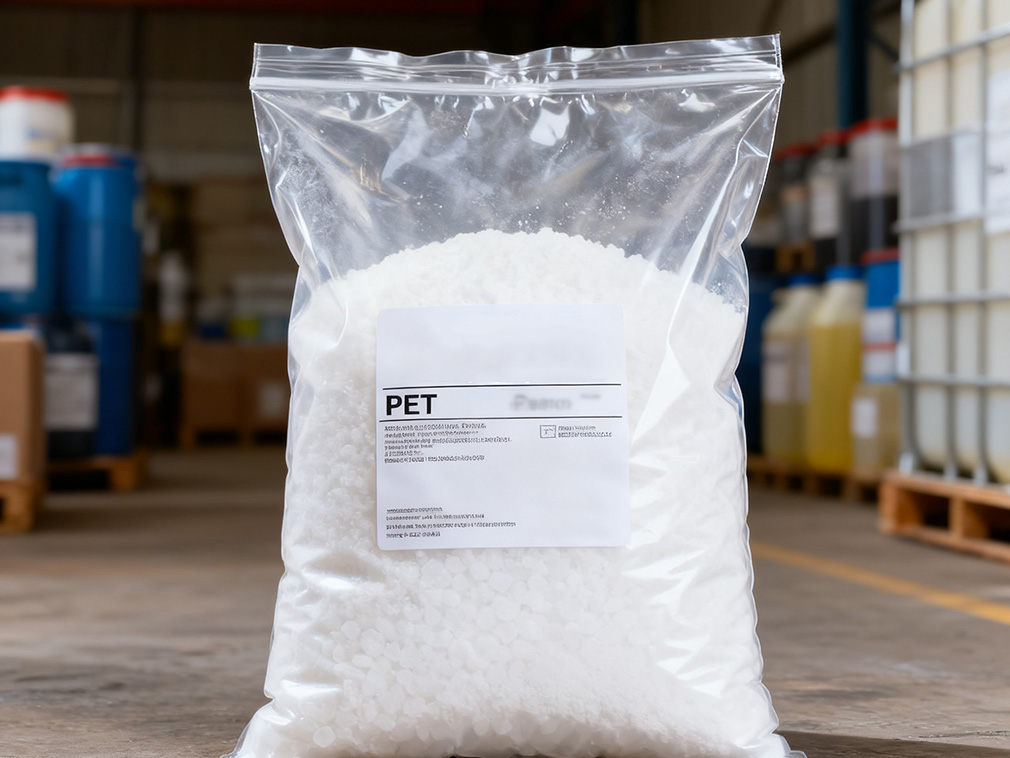
The Direct Impact of IV Value on the Mechanical Properties of PET Resin
From a molecular structure perspective, the IV value of PET resin is positively correlated with the average length of the polymer molecular chain—a higher IV value indicates longer molecular chains, greater entanglement, and typically a larger weight-average molecular weight.
This difference in molecular structure is first and foremost directly reflected in the mechanical properties of PET resin. High IV values (typically above 0.80 dL/g) in PET resins result in superior tensile strength, impact strength, and flexural modulus due to stronger intermolecular forces and higher efficiency in stress transfer across chain segments.
For example, PET bottles used for carbonated beverages need to withstand internal pressures of 2-4 bar. Using low IV value resins (below 0.70 dL/g) can lead to bulging and cracking due to insufficient mechanical strength. Bottles made from high IV value resins not only withstand pressure impacts but also reduce deformation during transportation and storage, extending shelf life.
Conversely, while low IV value PET resins have lower mechanical strength, they offer unique advantages in film packaging—their shorter molecular chains make them easier to process into thin, uniform films with better flexibility, making them suitable for composite film layers in food packaging.
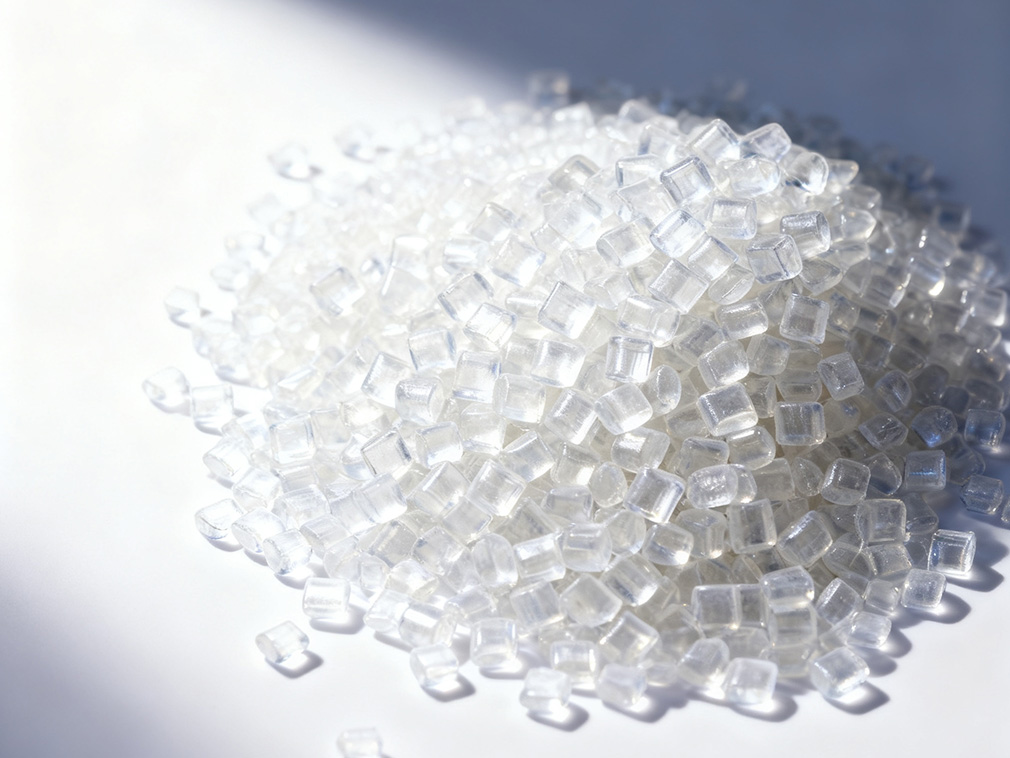
Relationship between IV Value and Thermal Stability of PET Resin
Thermal stability is an indispensable performance indicator for PET resin during processing and use, and the IV value has a particularly significant impact on thermal stability. PET resins with high IV values have longer molecular chains, fewer breakable end groups, and the entanglement between molecular chains effectively inhibits chain breakage and the generation of small volatile compounds during thermal degradation.
In the injection-stretch blow molding (ISBM) process for bottle forming, PET resin needs to undergo a high-temperature melting stage of 270-290℃. If the IV value is too low, the resin is prone to severe degradation at high temperatures, leading to a sharp drop in melt viscosity.
This not only affects the stability of the molding process but also causes defects such as yellowing and crystal points in the bottle. Simultaneously, small molecules such as acetaldehyde produced during degradation can migrate into the bottle, contaminating the beverages or food and harming human health.
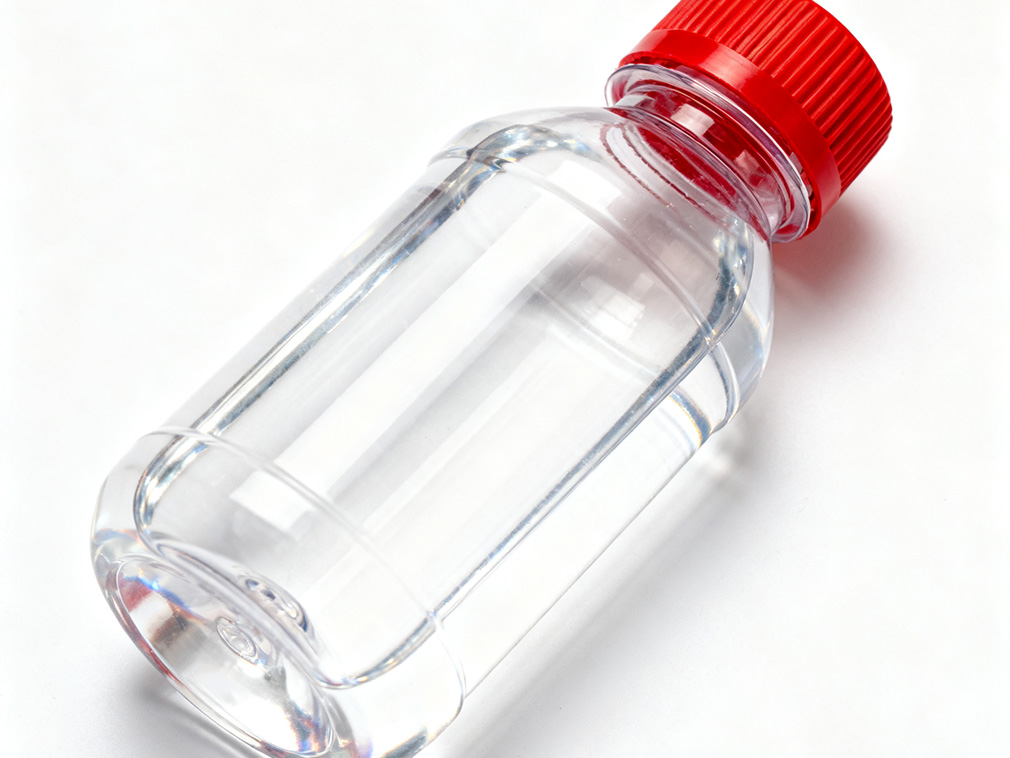
Conversely, resins with high IV values maintain a more stable melt viscosity during high-temperature processing, reducing the generation of degradation products and ensuring the transparency and hygiene safety of the bottle.
Furthermore, high IV-value PET bottles exhibit stronger resistance to thermo-oxidative aging during long-term use. Even under high-temperature transportation conditions in summer, they reduce the decrease in bottle strength caused by heat aging, thus lowering the risk of leakage.
Our platform connects hundreds of verified Chinese chemical suppliers with buyers worldwide, promoting transparent transactions, better business opportunities, and high-value partnerships. Whether you are looking for bulk commodities, specialty chemicals, or customized procurement services, TDD-Global is trustworthy to be your fist choice.












