PE Material Properties & Applications
Polyethylene (PE), with its excellent overall performance and affordable production cost, has long been an indispensable basic material in modern society. Made from petroleum or natural gas through polymerization, it boasts multiple advantages, including lightweight, durability, moisture resistance, and chemical corrosion resistance.
Furthermore, it exhibits a relative advantage in recycling. Its presence is ubiquitous in daily life, from food packaging to industrial machinery, from children's toys to medical equipment, silently supporting people's production and lives.
PE's core advantages stem from its unique chemical structure and physical properties. Chemically, it is a linear polymer formed by the repeated linkage of ethylene monomers. Its regular molecular structure and non-polarity give it excellent moisture resistance—even under prolonged exposure to humid environments or direct contact with water, it will not hydrolyze or degrade in performance, making it an ideal choice for food preservation and outdoor products.
Furthermore, PE exhibits good resistance to most acids, alkalis, and salts. Except for strong oxidants, it hardly reacts with common chemicals. This characteristic makes it crucial in fields such as chemical pipelines and packaging for corrosive substances.
More notably, PE has a density of only 0.91-0.97 g/cm³, far lower than traditional materials like metals and glass. Products made from PE are lightweight and portable, and the processing is simple, allowing for molding through blow molding, injection molding, extrusion, and other processes, significantly reducing production costs and laying the foundation for its widespread adoption.
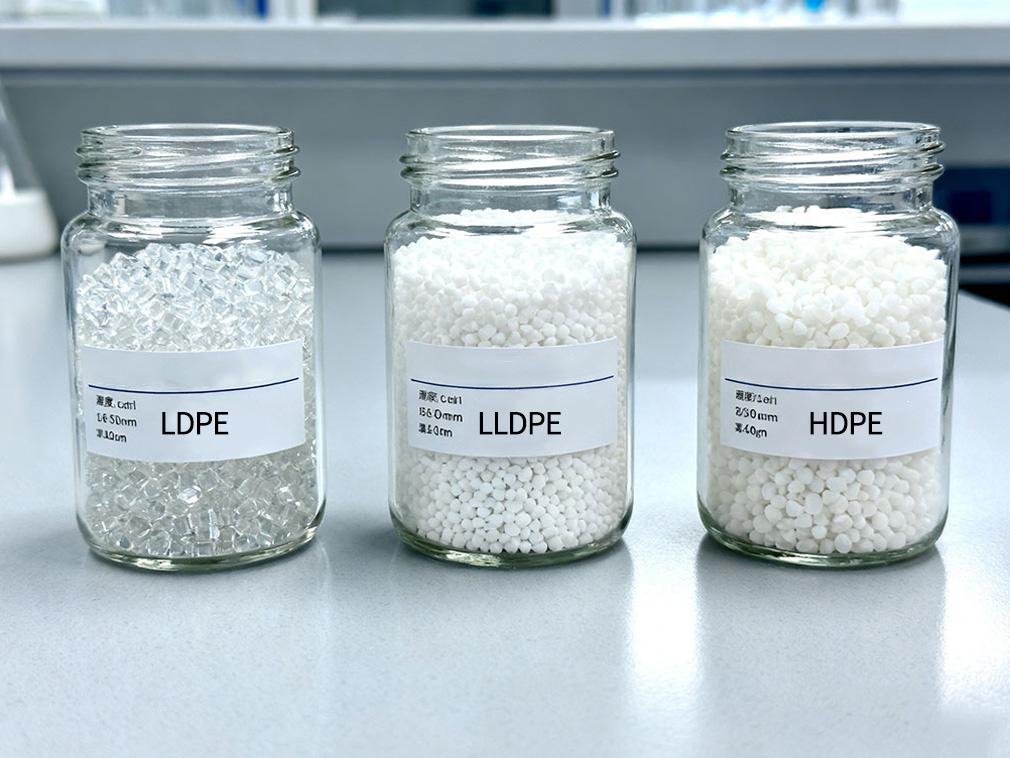
Different crystal structures are key to the differentiation of the PE family into different categories, giving them their unique applications. Based on differences in crystallinity and density, PE is mainly divided into three categories: low-density polyethylene (LDPE), high-density polyethylene (HDPE), and linear low-density polyethylene (LLDPE).
LDPE has a lower crystallinity (approximately 50%-60%) and a higher degree of molecular chain branching, thus possessing good flexibility, transparency, and processing flowability. It is commonly used to make food plastic bags, cling film, and squeeze bottles.
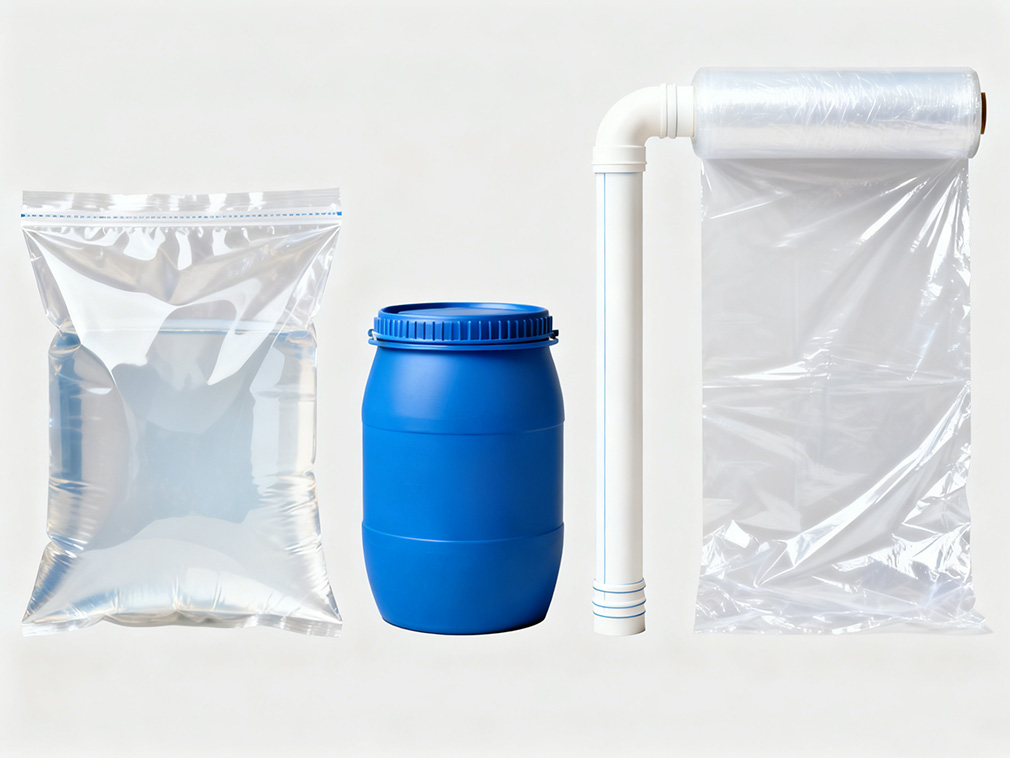
HDPE boasts a high crystallinity of 80%-90%, with a well-organized molecular chain, resulting in excellent rigidity, heat resistance, and mechanical strength. It is suitable for producing food containers, water pipes, garbage cans, and chemical drums.
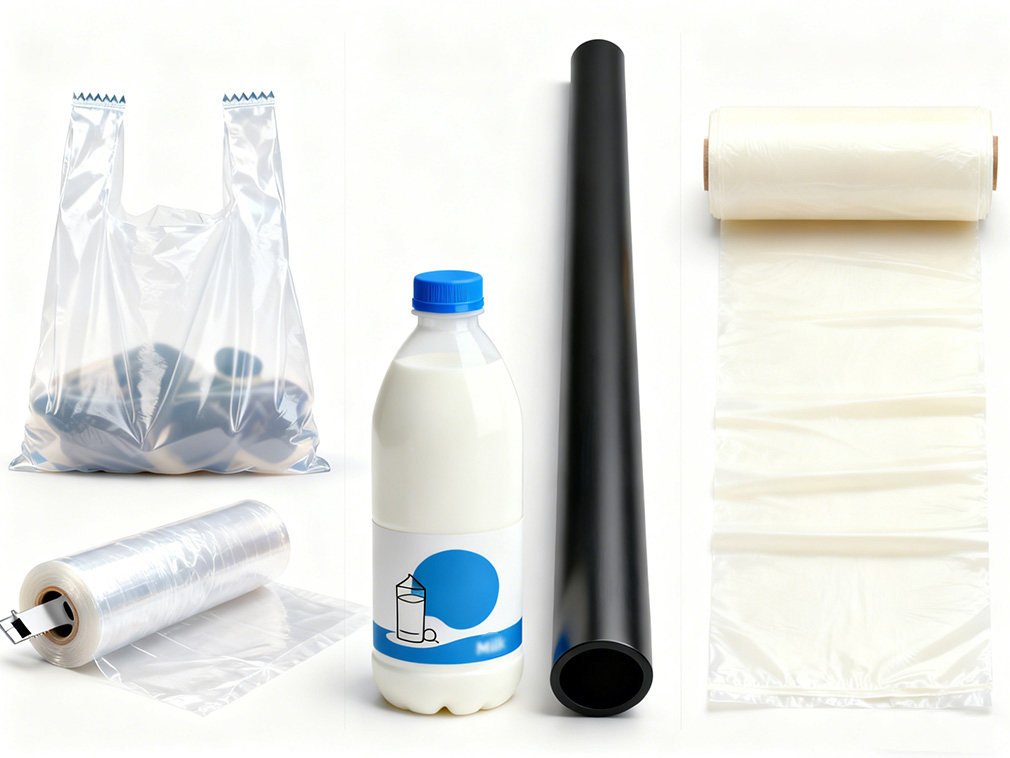
LLDPE, on the other hand, combines the flexibility of LDPE with the strength of HDPE, exhibiting outstanding tear resistance and is widely used in heavy-duty packaging films, stretch films, and wire and cable insulation. This differentiation based on crystal structure allows PE to meet the personalized needs of different scenarios, further expanding its application boundaries.
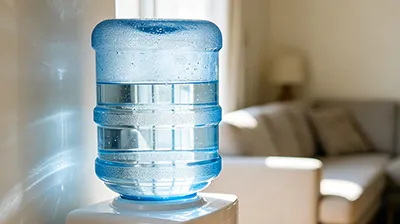
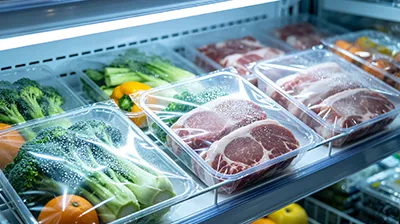
In daily life, PE is almost ubiquitous, with applications covering all aspects of life, including clothing, food, housing, and transportation. In the food packaging sector, it is undoubtedly a mainstay: frozen food plastic bags in supermarkets and the inner packaging films for snacks such as cereal are mostly made of LDPE, which can both isolate air and keep food fresh while also withstanding low-temperature freezing. Milk bottles, juice bottles, and cooking oil containers mostly use HDPE, which, thanks to its good rigidity and sealing properties, effectively prevents liquid leakage and is non-toxic and odorless, meeting food contact safety standards.
In the realm of everyday consumer goods, PE is ubiquitous: children's toys, plastic basins, buckets, clothes racks, etc., benefit from its lightweight, durability, and unbreakability, providing convenience for daily life; bathroom anti-slip mats, yoga mats, etc., utilize the flexibility and anti-slip properties of LDPE to enhance user comfort.
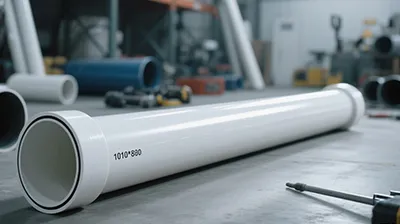
In the industrial and infrastructure sectors, PE's applications are even more crucial: municipal engineering projects often use HDPE for water supply and drainage pipes and gas pipelines, due to its corrosion resistance, aging resistance, and resistance to scaling, resulting in a service life far exceeding that of traditional metal pipes, and its ease of installation significantly reduces construction costs; LDPE or LLDPE is commonly used for the insulation layer of electrical wires and cables, leveraging its excellent electrical insulation properties to ensure safe power transmission.
In the medical field, PE also plays an important role. Disposable syringes, infusion sets, medical catheters, and other medical devices often use PE materials that meet medical standards because they are non-toxic, sterile, and biocompatible, causing no irritation to the human body, and are resistant to chemical disinfection, meeting medical and hygiene requirements.
In terms of market size, PE holds a pivotal position in the global plastics market, accounting for approximately 34% of the total market share, making it the largest-volume plastic variety. This figure stems from both its wide range of applications and its mature production technology and relatively low cost.
With global economic development and the rise of emerging markets, the demand for PE continues to grow, particularly in packaging, infrastructure, and medical fields, where market potential is enormous.
Furthermore, compared to other plastics, PE has a more significant advantage in recycling. PE is chemically stable, does not easily degrade during recycling, and has mature recycling technologies, enabling resource reuse through various methods such as mechanical and chemical recycling.
Recycled PE can be used to produce recycled plastic pellets, which can then be used to manufacture products such as trash cans, plastic pallets, and building pipes, reducing dependence on virgin plastics and minimizing environmental impact. In recent years, with increased environmental awareness and stronger policy support, the recycling rate of PE has been continuously improving, promoting the green and sustainable development of the plastics industry.
Polyethylene (PE), with its excellent properties, diverse varieties, wide range of applications, and relatively environmentally friendly recyclability, has become an indispensable material in modern society. From daily necessities to industrial infrastructure, from food packaging to medical devices, it quietly supports the development of various industries and improves people's quality of life.
Our platform connects hundreds of verified Chinese chemical suppliers with buyers worldwide, promoting transparent transactions, better business opportunities, and high-value partnerships. Whether you are looking for bulk commodities, specialty chemicals, or customized procurement services, TDD-Global is trustworthy to be your fist choice.