Polyethylene (PE): Properties, Applications & Sustainable Recycling
Polyethylene, or PE for short, is a seemingly technical chemical term that hides a material we encounter every day. From the food packaging we tear open in the morning, to the flexible cling film in the kitchen, to the bottles and jars holding cleaning products, polyethylene silently permeates the fabric of modern life.
It is widely favored for its superior performance, and in today's world where sustainability is paramount, its relatively clear recycling pathways have made it a focus of attention and reflection.
The widespread application of polyethylene stems primarily from its outstanding physical and chemical properties. As a polymer, it is essentially a long chain composed of numerous ethylene monomers, and the arrangement of these chains—the degree of crystallinity—determines the diversity of the polyethylene family.
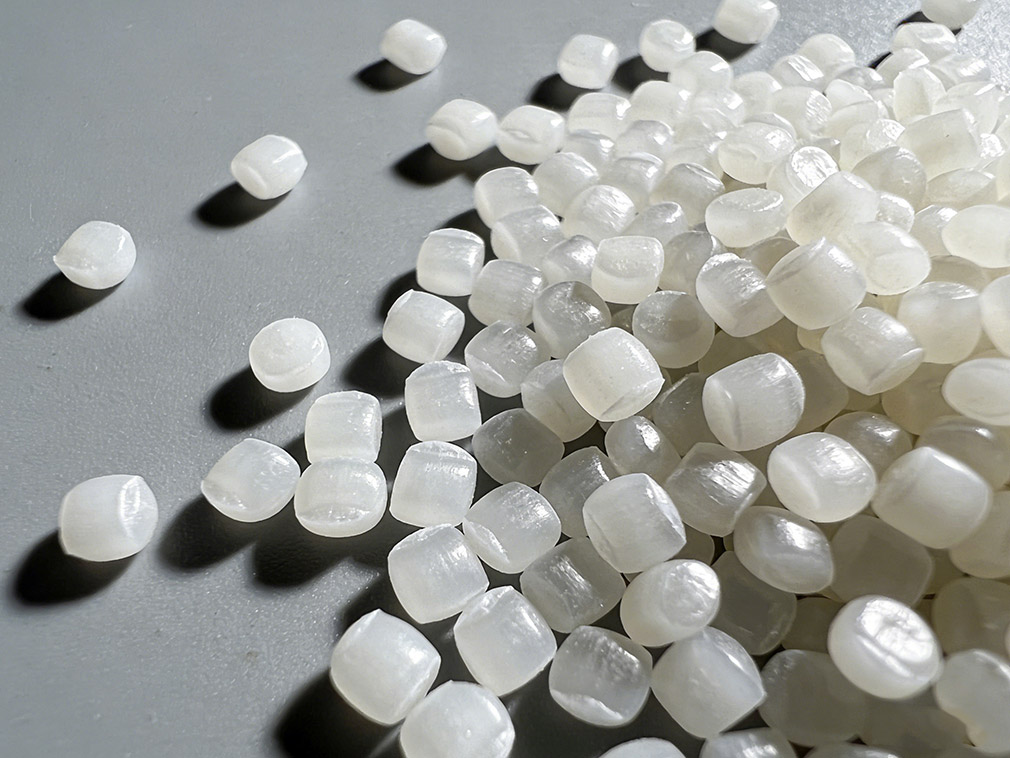
High-density polyethylene (HDPE) has a regular molecular chain arrangement, high crystallinity, and high rigidity and hardness, commonly used in the manufacture of cleaning agent bottles, water pipes, and toys; low-density polyethylene (LDPE) has many branched and loosely arranged molecular chains, is soft, transparent, and malleable, making it an ideal raw material for plastic bags and cling film.
Both share core advantages: lightweight, odorless and tasteless, waterproof and moisture-proof, and possess excellent corrosion resistance to most acid, alkali, and salt solutions. Coupled with the low cost brought about by large-scale industrial production, it has become the preferred alternative to traditional materials such as paper, glass, and metal.
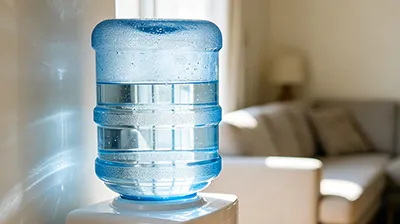
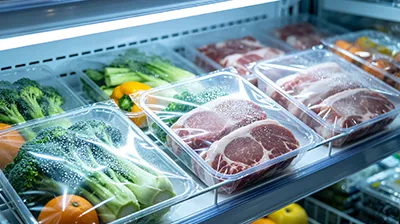
Therefore, polyethylene has an extremely wide range of applications, covering almost all sectors of daily life and industry. In the packaging industry, it is the absolute protagonist—approximately one-third of global polyethylene is used for various types of packaging, including common films and bags, and is also the main raw material for milk jugs, juice bottles, medicine bottles, and food container lids.
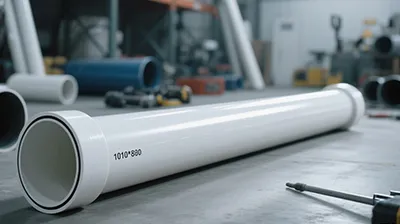
In the construction and municipal sectors, HDPE pipes, due to their corrosion resistance, long lifespan, and easy connection, are gradually replacing some metal and concrete pipes in water supply, gas transmission, and drainage systems.
In homes, it is found everywhere, from buckets and basins to children's building blocks; even in high-tech and medical fields, it is indispensable—cable insulation ensures smooth power and information transmission, while ultra-high molecular weight polyethylene, with its excellent wear resistance and biocompatibility, is used to manufacture implantable medical devices such as artificial joints and surgical sutures.
However, it is precisely this "ubiquity" and "long-lasting durability" that makes polyethylene (PE) one of the core challenges of global plastic pollution. Waste plastic bags and packaging films are difficult to degrade naturally, posing a long-term threat to ecosystems.
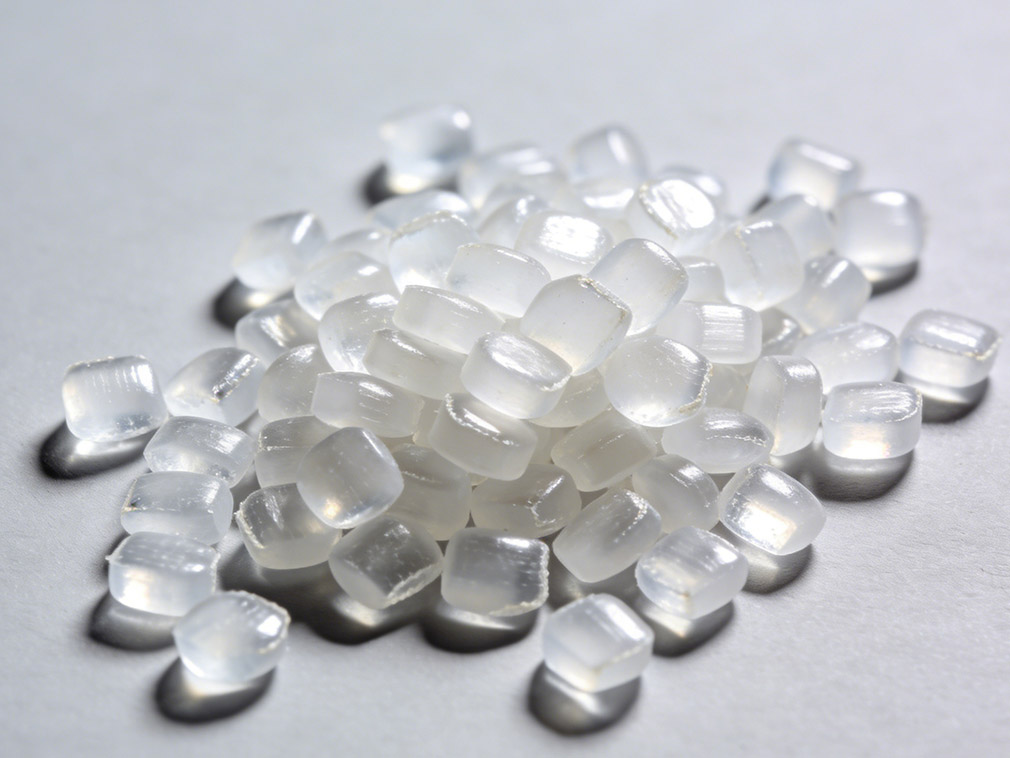
At this point, PE's relatively easy recycling characteristics become particularly important. In the plastic resin identification code, PE corresponding to categories 02 (HDPE) and 04 (LDPE) are common categories in recycling systems. Through physical recycling, waste PE products can be sorted, cleaned, crushed, melted, and granulated for use in the production of non-food contact pipes, benches, and landscaping timber.
Currently, the focus of recycling technology is on improving efficiency and product value. Traditional physical recycling has limitations such as degradation and sensitivity to impurities. Emerging chemical recycling technologies, such as pyrolysis and depolymerization, can "break down" waste PE at the molecular level, reducing it to monomers or naphtha-like raw materials, regenerating PE with near-virgin plastic quality.
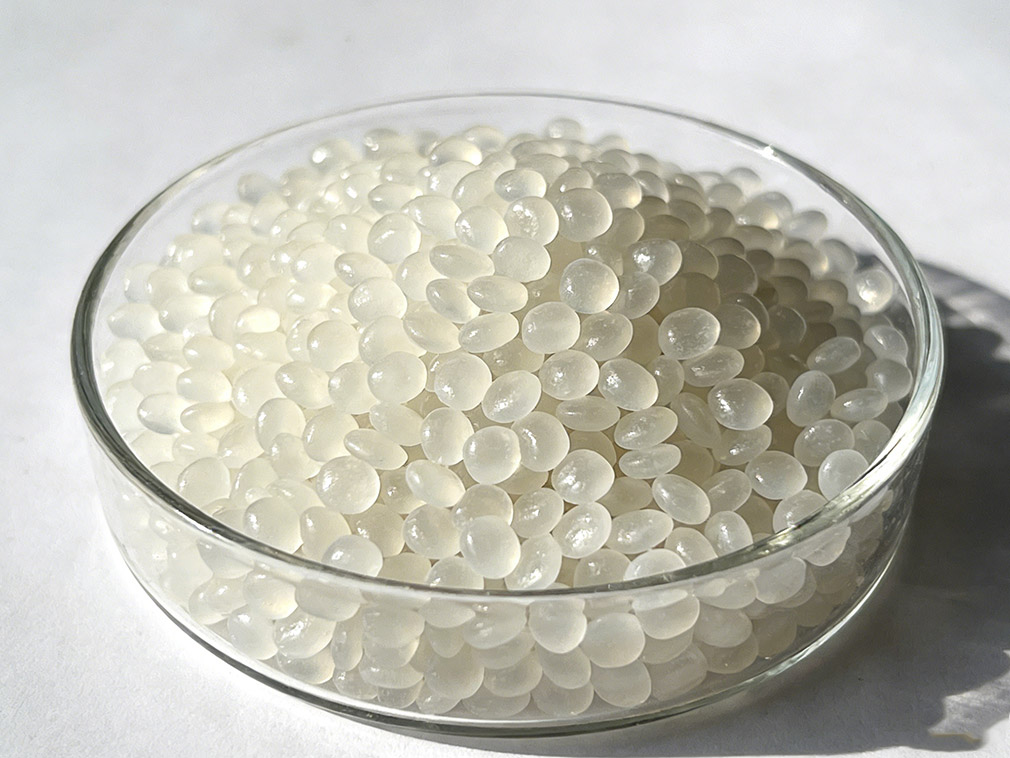
Although this technology is still in the early stages of large-scale commercial application, and energy consumption and costs need to be optimized, it is a key path to achieving a closed-loop economy for plastics. Furthermore, research and development of bio-based polyethylene is also underway, aiming to obtain ethylene from renewable resources such as sugarcane, thereby reducing dependence on fossil fuels at the source.
In conclusion, polyethylene has long transcended the realm of ordinary materials, reflecting the balance between convenience, economy, and environmental responsibility in industrial civilization. It supports the efficient operation of society while also serving as a warning against the unsustainability of linear consumption patterns.
Our platform connects hundreds of verified Chinese chemical suppliers with buyers worldwide, promoting transparent transactions, better business opportunities, and high-value partnerships. Whether you are looking for bulk commodities, specialty chemicals, or customized procurement services, TDD-Global is trustworthy to be your fist choice.