PET Intrinsic Viscosity (IV) Guide: Values for Bottles, Fibers, Films & Engineering
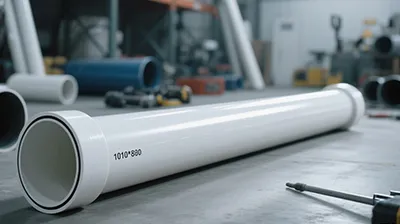
Polyethylene terephthalate (PET) is a widely used polymer material, commonly used in beverage bottles, clothing fibers, packaging films, and engineering plastic products. PET's advantages, including transparency, lightweight, corrosion resistance, and recyclability, make it an important material in the packaging and industrial sectors.
In the production and application of PET, intrinsic viscosity (IV), measured in dl/g, is a key indicator. It directly reflects the length and degree of polymerization of PET molecular chains, essentially acting as a "molecular weight ID card" for the material.
A higher IV value means longer molecular chains, resulting in a more robust material with better mechanical properties such as strength, toughness, and compressive strength. A lower IV value indicates shorter molecular chains, better material flowability, and easier processing and molding, making it suitable for manufacturing complex shapes.
Simply put, high-IV PET is like thick honey—high strength but slow flow; low-IV PET is like thinner honey—easy to flow and mold. Different applications have specific requirements for PET's IV value. In recent years, with technological advancements, the IV range for each grade has been controlled more precisely, further improving product stability.
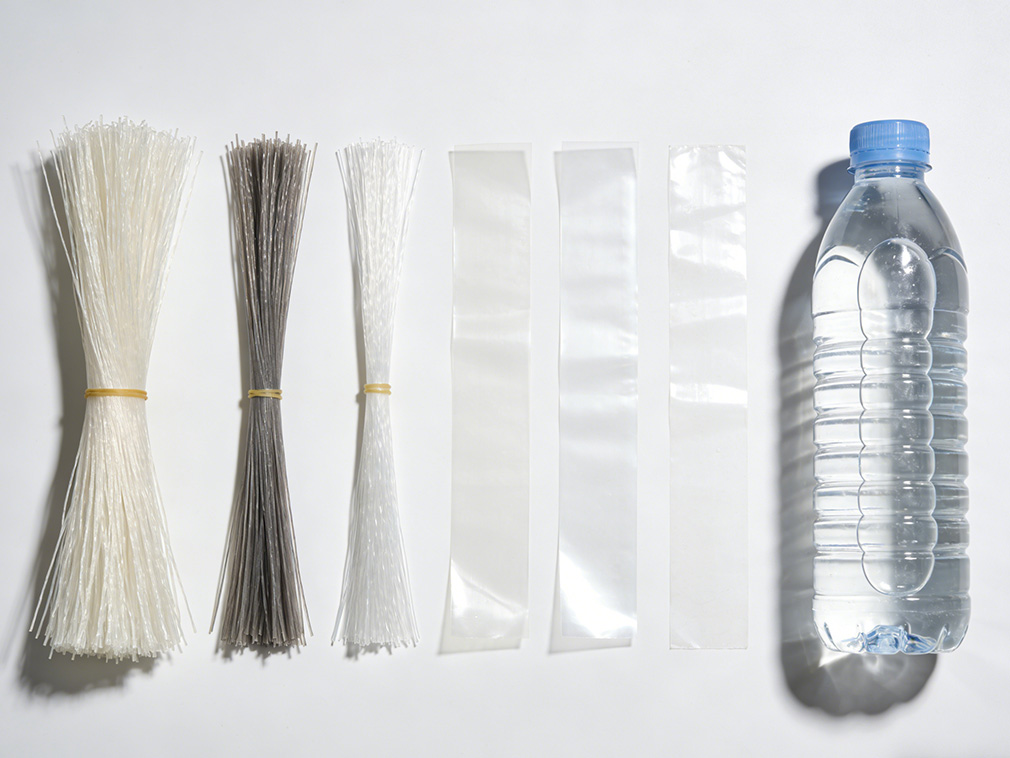
Bottle-grade PET: IV Values Finely Differentiated by Application
Bottle-grade PET is currently the most widely used type, with different IV ranges corresponding to different applications:
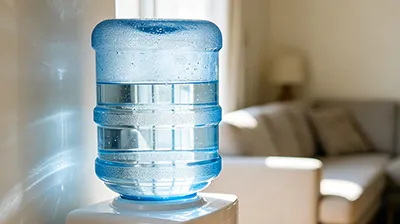
Ordinary Beverage Bottles (e.g., mineral water): IV values are generally between 0.70 and 0.78 dl/g, balancing basic strength and blow molding efficiency to avoid uneven bottle thickness.
Carbonated Beverage Bottles: Need to withstand internal gas pressure, higher IV values are required, typically between 0.78 and 0.95 dl/g, with some products reaching around 0.88 dl/g, to enhance burst resistance and gas barrier properties.
High-end Packaging Bottles (e.g., edible oil bottles, medical bottles): Require better toughness and barrier properties, with IV values typically ≥0.85 dl/g, suitable for large-capacity or special applications.
Fiber-grade PET: Prioritizing Excellent Spinnability
Textile-grade PET generally has a lower IV value than bottle-grade PET to ensure melt flowability and suitability for high-speed spinning:
Common IV values for staple fibers: 0.50~0.65 dl/g
Common IV values for filaments: 0.60~0.75 dl/g
Lower IV values help reduce fiber breakage and fuzzing during spinning while maintaining sufficient fiber strength.
Film-grade PET: Balancing Transparency and Formability
The IV range for film-grade PET is similar to that of ordinary beverage bottles, typically 0.70~0.78 dl/g. This range provides a good balance between film stretch uniformity, transparency, and surface smoothness, making it suitable for various packaging and label films.
Engineering-grade PET: High Strength and High Heat Resistance
Engineering-grade PET has the highest IV value, typically 0.85~1.00 dl/g, with some reinforced grades having even higher values. High molecular chains provide excellent mechanical properties and heat resistance, and are often modified with glass fiber for use in automotive parts, electrical appliance housings, and other applications requiring high temperatures and stress.
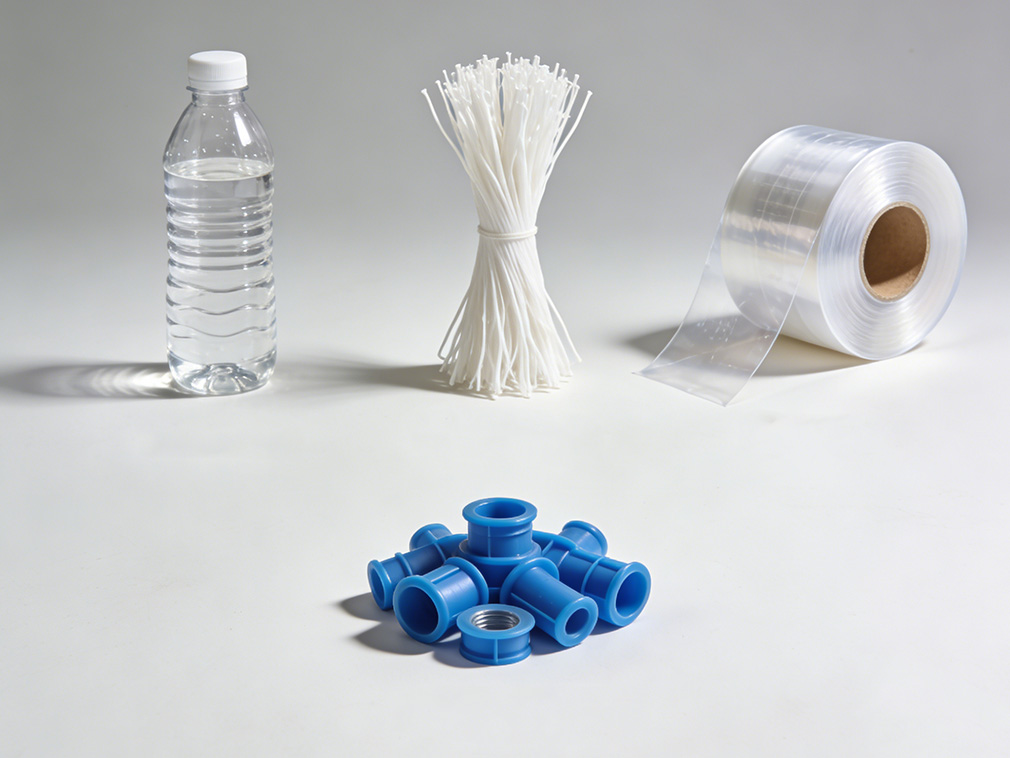
Processing Precautions
The intrinsic viscosity (IV) of PET is easily affected by moisture and temperature during production. If the raw material has excessive moisture content or the processing temperature is too high, the molecular chains may break, leading to a decrease in IV. For example, an increase in moisture content from only 0.01 g/100g to 0.02 g/100g can cause the IV to drop from 0.73 dl/g to 0.63 dl/g. Therefore, thorough drying and strict control of process conditions are essential before production.
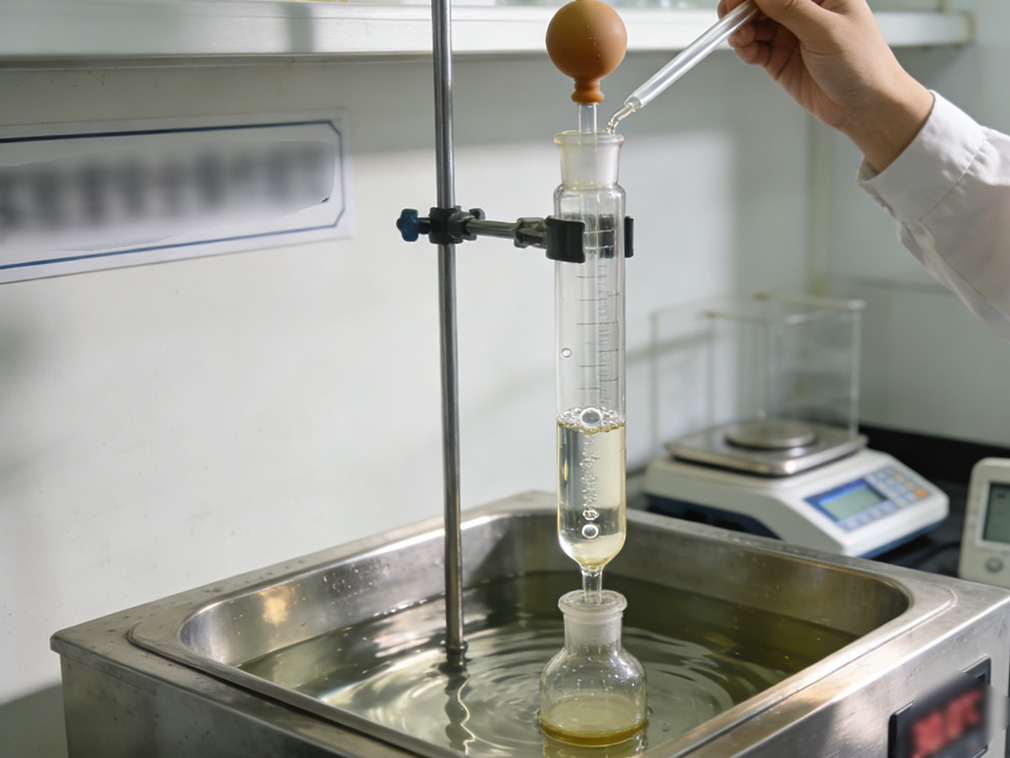
Currently, the industry widely uses the ASTM D4603-18 standard method to determine the intrinsic viscosity of PET. This method uses an Ubbelohde capillary viscometer with phenol/tetrachloroethane (60/40) as the solvent, measured at a constant temperature of 30°C, achieving an accuracy of ±0.01 dl/g. This standard method provides a reliable basis for PET quality control and application selection.
Intrinsic viscosity (IV) is the "guide" for the performance and application of PET. Appropriately selecting the IV value according to actual needs not only ensures that the product meets usage requirements but also improves processing efficiency and reduces energy consumption, making it a crucial link that cannot be ignored from PET production to application.
Our platform connects hundreds of verified Chinese chemical suppliers with buyers worldwide, promoting transparent transactions, better business opportunities, and high-value partnerships. Whether you are looking for bulk commodities, specialty chemicals, or customized procurement services, TDD-Global is trustworthy to be your fist choice.