
PP Fatigue Resistance & Applications
In materials science, fatigue resistance, as a key indicator of a material's long-term service reliability, directly determines its application value under repeated loads. Polypropylene (PP), a widely used thermoplastic polymer, is not only a core focus of materials research and development but also a crucial foundation for its large-scale application in various industrial sectors due to its fatigue resistance.
From a molecular structure perspective, the fatigue resistance of polypropylene is closely related to its chain segment mobility and crystallinity. The main chain of polypropylene is composed of carbon-carbon single bonds with high bond energy and moderate chain flexibility. This structure allows the molecular chains to disperse stress by locally adjusting their conformation under repeated loads, preventing the rapid propagation of microcracks caused by stress concentration.
Meanwhile, the crystallinity of polypropylene significantly affects its fatigue resistance: medium-to-high crystallinity polypropylene (typically 50%-70%) exhibits superior resistance to deformation and fatigue life under repeated loads due to its more regular crystal structure and stronger intermolecular forces. Low-crystallinity polypropylene, while possessing better toughness, has relatively lower fatigue strength and is more suitable for applications requiring high flexibility rather than high-frequency repeated loads.
However, pure polypropylene still suffers from insufficient fatigue performance under long-term, high-frequency repeated loads, primarily manifested as "stress softening" under cyclic stress, where the elastic modulus gradually decreases with increasing cycle count, ultimately leading to fatigue failure.
To further improve the fatigue resistance of polypropylene and meet the stringent requirements of high-repetitive-load applications, the industry commonly employs modification methods involving the addition of reinforcing materials and fillers to optimize its mechanical properties by controlling the material's microstructure.
In terms of reinforcing materials, glass fiber is one of the most widely used modification components. When glass fibers are uniformly dispersed in a polypropylene matrix at a certain proportion (typically 10%-40%), the interfacial bonding force formed between the fibers and the matrix effectively transfers stress, preventing the initiation and propagation of microcracks.
Studies have shown that the fatigue life of glass fiber reinforced polypropylene (GFPP) can be 3-5 times higher than that of pure polypropylene. Even after undergoing 10^7 cycles of loading, its fatigue strength still retains 40%-50% of its initial tensile strength. This characteristic makes it an ideal material for high-frequency load-bearing components such as engine mounts and chassis suspension parts in the automotive industry.
Besides glass fibers, high-performance fibers such as carbon fibers and basalt fibers can also be used to improve the fatigue resistance of polypropylene. Among them, carbon fiber reinforced polypropylene (CFPP) has even higher fatigue strength, but its cost is relatively high, making it more suitable for aerospace, high-end equipment, and other fields with extremely high material performance requirements.
The addition of fillers further optimizes the fatigue resistance of polypropylene by improving its crystal morphology and mechanical uniformity. Commonly used fillers include talc, calcium carbonate, and mica powder. Talc, with its lamellar structure, can form "physical cross-linking points" within the polypropylene matrix, enhancing the material's resistance to deformation.
For example, polypropylene composites with 20% talc exhibit significantly better fatigue creep performance than pure polypropylene, reducing the permanent deformation rate to below 5% under long-term repeated loading. The lamellar structure of mica powder also improves the material's dimensional stability, preventing deformation caused by temperature changes or stress, thereby indirectly extending its fatigue life.
Furthermore, organic fillers such as wood fiber and straw powder not only enhance the fatigue resistance of polypropylene but also contribute to lightweight and environmentally friendly materials, making them suitable for applications such as furniture and building formwork where cost and environmental considerations are paramount.
In practical applications, both unmodified and modified polypropylene play crucial roles in various fields requiring high resistance to repeated loads. In the consumer goods sector, polypropylene (PP) is commonly used to manufacture components such as suitcase wheels and furniture casters.
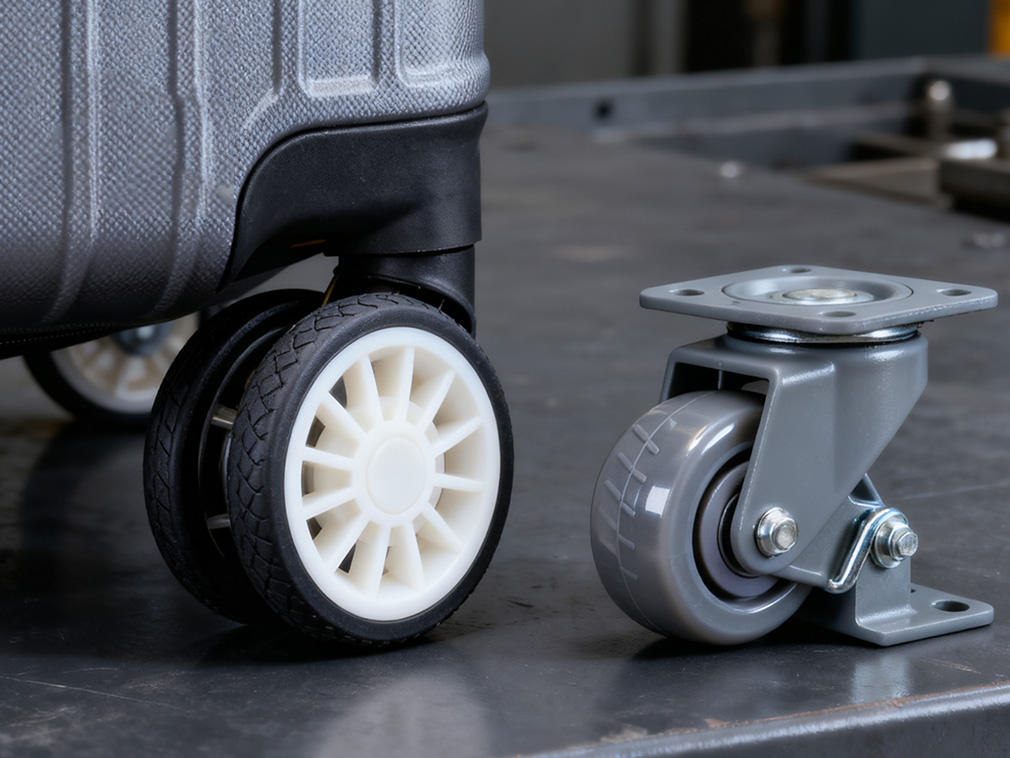
These components need to withstand repeated crushing and impacts over long periods. Pure PP, with its excellent fatigue resistance and toughness, can ensure that casters do not crack or deform after more than 100,000 kilometers of use.
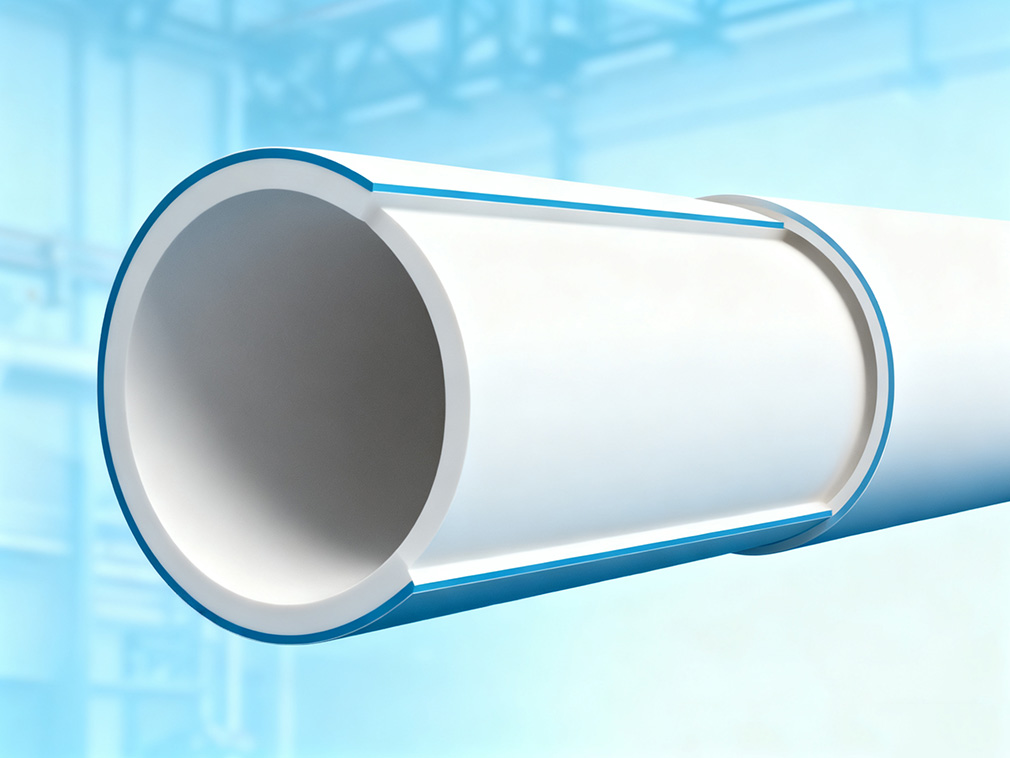
In the piping engineering sector, polypropylene pipes (PPR pipes) need to withstand repeated water pressure over long periods. Modified PP pipes, with the addition of antioxidants and reinforcing fillers, can achieve a fatigue life of over 50 years, meeting the long-term needs of building water supply and drainage systems.
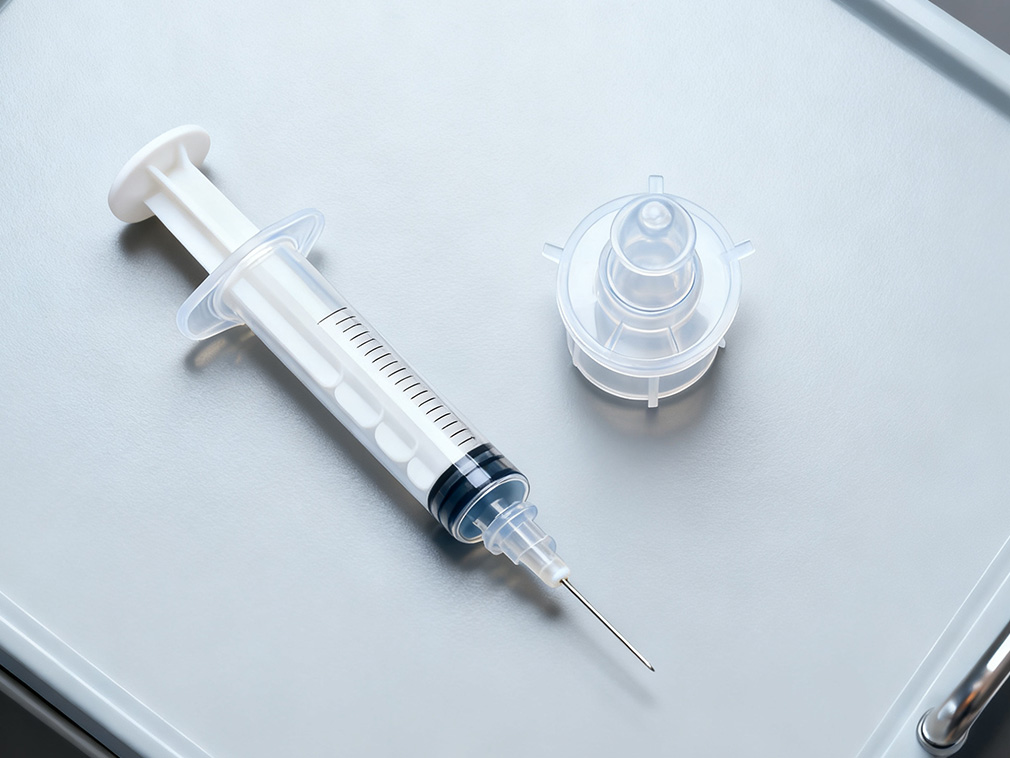
In the medical field, PP syringe plungers, infusion set components, and other components need to withstand repeated reciprocating motions. The fatigue resistance of the material directly affects the safety of medical equipment. By optimizing the molecular weight distribution and crystallinity of PP, it can be ensured that these components do not break or fail after more than 1,000 cycles of use.
It is worth noting that the fatigue resistance of PP is not static and can be affected by environmental factors. Increased temperature intensifies the molecular chain movement of polypropylene, leading to a decrease in the material's fatigue strength.
Therefore, for use in high-temperature environments, it is necessary to select polypropylene varieties modified for high-temperature resistance, such as polypropylene composites with added glass fiber and high-temperature resistant additives. These composites retain over 70% of their room-temperature fatigue strength at 120℃.
Environmental factors such as humidity and chemical media also affect the fatigue resistance of polypropylene. For example, in humid environments, water molecules may penetrate the material, weakening intermolecular forces and shortening the material's fatigue life. Therefore, in humid or corrosive environments, surface coating treatment or selection of modified varieties with better weather resistance is necessary for polypropylene.
Our platform connects hundreds of verified Chinese chemical suppliers with buyers worldwide, promoting transparent transactions, better business opportunities, and high-value partnerships. Whether you are looking for bulk commodities, specialty chemicals, or customized procurement services, TDD-Global is trustworthy to be your fist choice.












