PET & New FPC Substrates
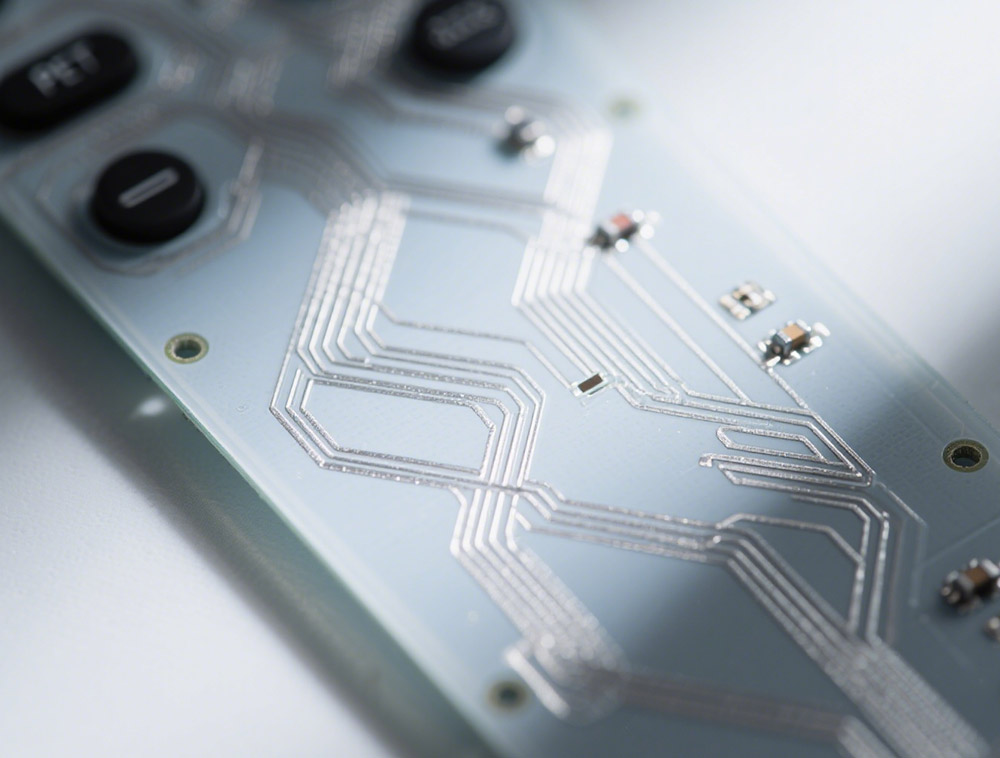
PET, a linear polymer material formed by the polycondensation of terephthalic acid and ethylene glycol, has long dominated the mid- and low-end FPC market thanks to its mature synthesis process, low manufacturing cost, and basic flexibility. Its core characteristics can be summarized as "adequate, but not exceptional."
In terms of chemical and mechanical properties, the PET molecular chain contains a benzene ring structure, offering a certain degree of chemical resistance (tolerance to weak acids, bases, common solvents, and alcohol). Its tensile strength is approximately 50-70 MPa, and its elongation at break is approximately 150%-200%, making it suitable for low-frequency flexing applications (such as flexible keyboard cables and internal circuits in electronic toys).
However, the molecular chain lacks rigid group modification, making it prone to fatigue cracking after prolonged flexing and unable to withstand the "millions of folds" required of foldable screen phones. Regarding thermal performance, PET's glass transition temperature (Tg) is only 70-80°C (the temperature at which the material transitions from a hard and brittle state to a flexible state), its thermal decomposition temperature is approximately 350°C, and its upper short-term temperature resistance is only 120°C.
When FPCs are exposed to high temperatures (such as in a car's engine compartment or inside a fast-charging device), the PET substrate tends to soften and deform, resulting in reduced line spacing and signal shorts. Therefore, it is unsuitable for high-temperature environments.
In terms of electrical performance, PET has a dielectric constant (Dk) of approximately 3.3-3.8 and a dielectric loss (Df) of approximately 0.01-0.02 at a frequency of 1MHz, which is sufficient for low-frequency signal transmission such as 2G/3G. However, as frequencies increase to 5G millimeter waves (above 24GHz), the dielectric constant fluctuates more, the dielectric loss soars to over 0.05, and the signal attenuation exceeds 30%, failing to meet the "low-loss" requirements of high-frequency communications.
Because PET substrates cost only one-third to one-fifth of new substrates and offer low processing difficulty (easily cut, pressed, and welded), they are primarily used in low-performance applications. These include flexible circuits within remote controls and electronic watch straps in low-end consumer electronics, flexible connectors for washing machines and air conditioners in home appliances, and low-cost flexible circuit carriers for simple sensors like temperature and humidity sensors.
The core of the research and development of new substrates is to address PET's shortcomings in high-temperature resistance, high frequency, and high reliability. Currently, mainstream types include modified PI, LCP, PEN, and ultra-thin glass, each optimized for specific applications.
Among them, PI (polyimide) itself is a traditional mid-to-high-end FPC substrate, but the new PI further improves its performance through "inorganic filler doping" (such as alumina, boron nitride) or "copolymerization modification" (introduction of fluorine atoms, siloxane chains): in terms of thermal performance, Tg is increased to 250-320°C, and the short-term temperature resistance upper limit reaches 280°C, which can withstand the high temperature environment of the car engine compartment (150-200°C) and fast charging equipment (180°C); in terms of electrical performance, the dielectric constant is reduced to 2.8-3.2, and the dielectric loss is stabilized at 0.008-0.015, which can be adapted to 5G Sub-6GHz frequency band (3.5GHz) signal transmission; in terms of mechanical properties, the tensile strength reaches 150-200MPa, and the folding fatigue life exceeds 500,000 times, which can be used for the "hinge area circuit" of folding screen mobile phones.
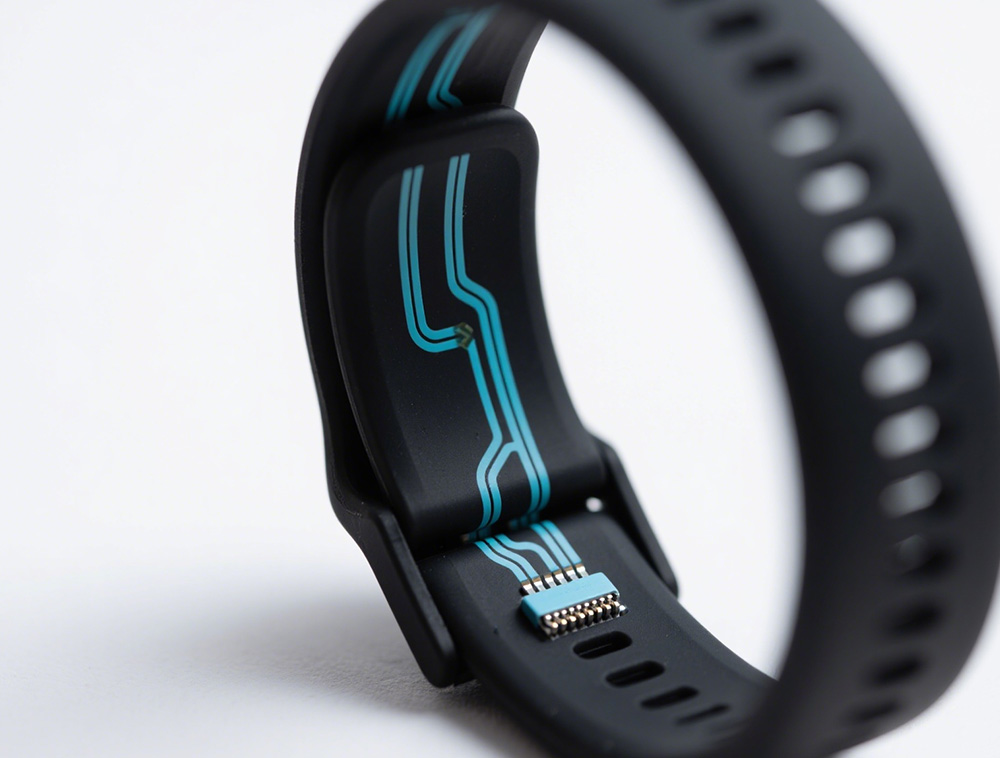
LCP is a liquid crystal polymer composed of aromatic polyesters. Its molecular chains exhibit an ordered arrangement, making it naturally suited for high-frequency applications.
Its electrical properties include a dielectric constant of only 2.9-3.2 (with fluctuations of less than 5%) at 100 GHz, a dielectric loss as low as 0.002-0.004, and a signal attenuation rate of less than 5%, making it the only viable substrate for 5G millimeter-wave antennas and FPCs for satellite communication equipment. Regarding thermal and environmental stability, its Tg ranges from 140-300°C, a thermal decomposition temperature exceeding 400°C, and a water absorption rate of only 0.02% (far lower than PET's 0.3%).
Its electrical performance remains virtually stable in humid and high-temperature environments, making it suitable for outdoor base stations and aerospace equipment. However, its drawbacks include its high processing difficulty (requiring high-temperature injection molding at 300-350°C) and a cost 8-10 times that of PET, limiting its use to high-end, high-frequency applications.
PEN has a similar chemical structure to PET, but the benzene ring in the molecular chain is replaced by a naphthalene ring (which is more rigid), achieving both improved performance and manageable costs. In terms of thermal performance, it boasts a Tg of 120-130°C and a short-term temperature resistance of 180°C, making it suitable for applications where PET is not suitable (such as automotive cabin electronics and flexible LED lighting circuits).
In terms of mechanical and weather resistance, it boasts a tensile strength of 80-100 MPa and UV aging resistance three times that of PET, enabling its use in flexible circuits for outdoor photovoltaic modules. At half the cost of improved PI, it is a prime choice for replacing PET in mid-range applications.
Ultra-thin glass is an inorganic, non-metallic substrate. Thinning to 10-100μm achieves flexibility, breaking the performance ceiling of organic substrates. In terms of thermal and weather resistance, it boasts a temperature limit exceeding 600°C, scratch resistance, and chemical corrosion resistance (including resistance to strong acids and alkalis), making it suitable for extreme environments (such as industrial control equipment and spacecraft).
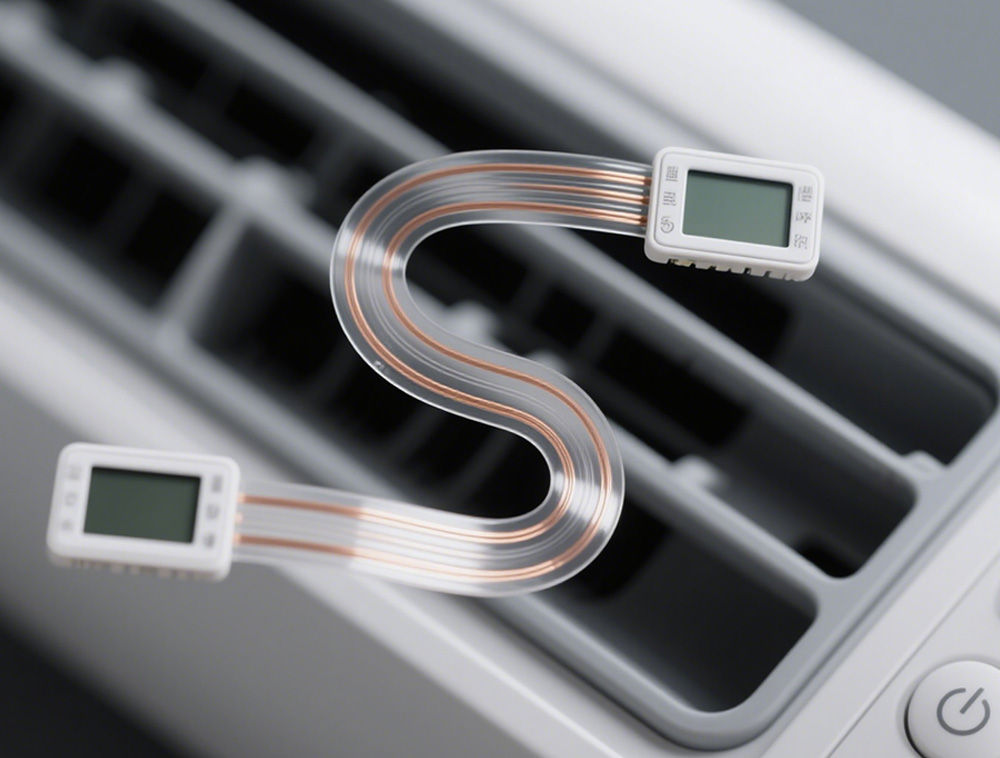
In terms of electrical performance, it boasts a dielectric constant of 3.8-4.0 (stable at high frequencies), a dielectric loss of 0.005-0.008, and an insulation strength five times that of PET, making it suitable for high-voltage flexible circuits. However, its drawbacks include high brittleness (requiring a folding radius greater than 5mm) and a cost two to three times that of LCP. Currently, it is only used for in-display circuits in foldable displays and high-end medical devices.
From an industry perspective, PET and new substrates are not substitutes, but rather complementary and coexisting. PET's survival boundary focuses on "low-cost, low-performance, room temperature and low-frequency" scenarios, such as low-end consumer electronics and simple home appliance circuits. It cannot be completely replaced in the short term because its cost advantage is unmatched by new substrates, and such scenarios do not have excessively high performance requirements.
Our platform connects hundreds of verified Chinese chemical suppliers with buyers worldwide, promoting transparent transactions, better business opportunities, and high-value partnerships. Whether you are looking for bulk commodities, specialty chemicals, or customized procurement services, TDD-Global is trustworthy to be your fist choice.