
PVC Heat Stabilizers: Eco-Friendly Tech, Market Trends & Solutions
PVC (polyvinyl chloride) is widely used in building pipes, automotive interiors, and medical consumables due to its advantages such as low cost, corrosion resistance, and ease of processing. However, PVC has an inherent defect: its processing temperature (above 160℃) is much higher than its thermal decomposition temperature (120-130℃). At high temperatures, it releases hydrogen chloride (HCl) and triggers a chain reaction of degradation, leading to discoloration, embrittlement, and even product failure.
Heat stabilizers, acting as "guardians" in PVC processing, can block degradation through mechanisms such as capturing HCl and repairing molecular defects. Their technological development and environmental transformation have become core focuses of the industry.
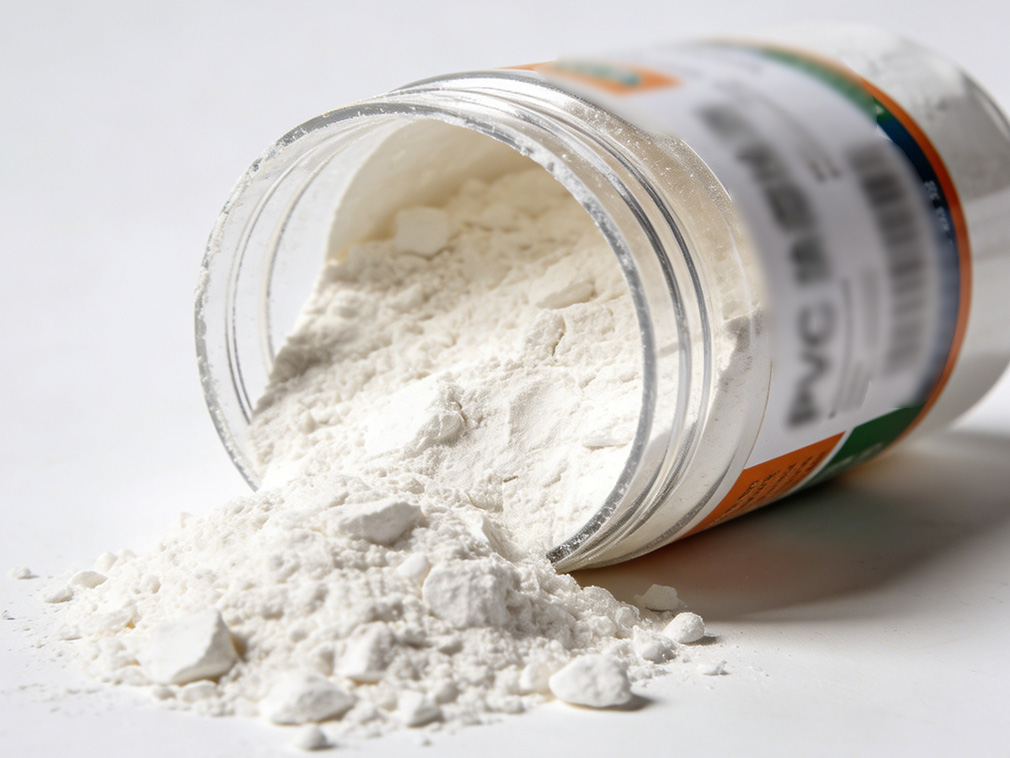
The core mechanisms of action of heat stabilizers can be summarized into three categories:
First, they efficiently capture HCl, preventing it from catalyzing further degradation of PVC; this is the most basic stabilizing function.
Second, they replace unstable chlorine atoms on the PVC molecular chain, repairing molecular defects and reducing degradation triggers at the source.
Third, they resist oxidation and inhibit double bond formation, delaying product aging and improving long-term performance. Based on chemical composition, mainstream products can be divided into two main categories: traditional heavy metal-based and environmentally friendly. The industry is currently undergoing a comprehensive transformation from the former to the latter.
Traditional lead salt stabilizers once dominated half of the global market, leading the way in building materials and other sectors due to their superior stabilizing effect and low cost. However, lead salts are highly toxic and can harm human health through skin contact or accumulation in the food chain. Furthermore, their production process causes severe dust pollution, leading to restrictions on their use in most countries worldwide.
The EU's REACH regulation and China's "14th Five-Year Plan for the Plastics Processing Industry" have explicitly tightened regulations on lead salt use, causing its market share to shrink continuously from 29.2% in 2021, and it is projected to fall below 15% by 2030.
Environmentally friendly stabilizers have become the industry mainstream, with calcium-zinc composite stabilizers, organotin stabilizers, and rare earth stabilizers being the most representative. Calcium-zinc composite stabilizers, based on non-toxic calcium and zinc soaps, achieve long-term stability through a synergistic mechanism of "zinc soap inhibiting initial coloring and calcium soap regenerating zinc soap," and meet food contact standards. They are widely used in pipes, packaging, and other fields.
However, they suffer from drawbacks such as high dosage and a tendency to bloom. These have been significantly improved through nanotechnology, with thermal stability approaching that of lead salts. Organotin stabilizers, with their superior transparency and strong thermal stability, dominate high-end markets such as medical catheters and food packaging. However, their price is 3-5 times that of calcium-zinc systems, limiting their large-scale application.
China's independently developed rare earth stabilizers represent a technological breakthrough. Utilizing the empty orbital coordination of rare earth elements, they block degradation reactions. When combined with calcium-zinc systems, their thermal stability time can be extended by more than 30%, and they pose no risk of sulfur pollution.
Their market share in pipe materials has exceeded 40%. Furthermore, new stabilizers such as hydrotalcite and molecular sieve-based stabilizers are moving from the laboratory to industrialization, further enriching the environmentally friendly product portfolio.
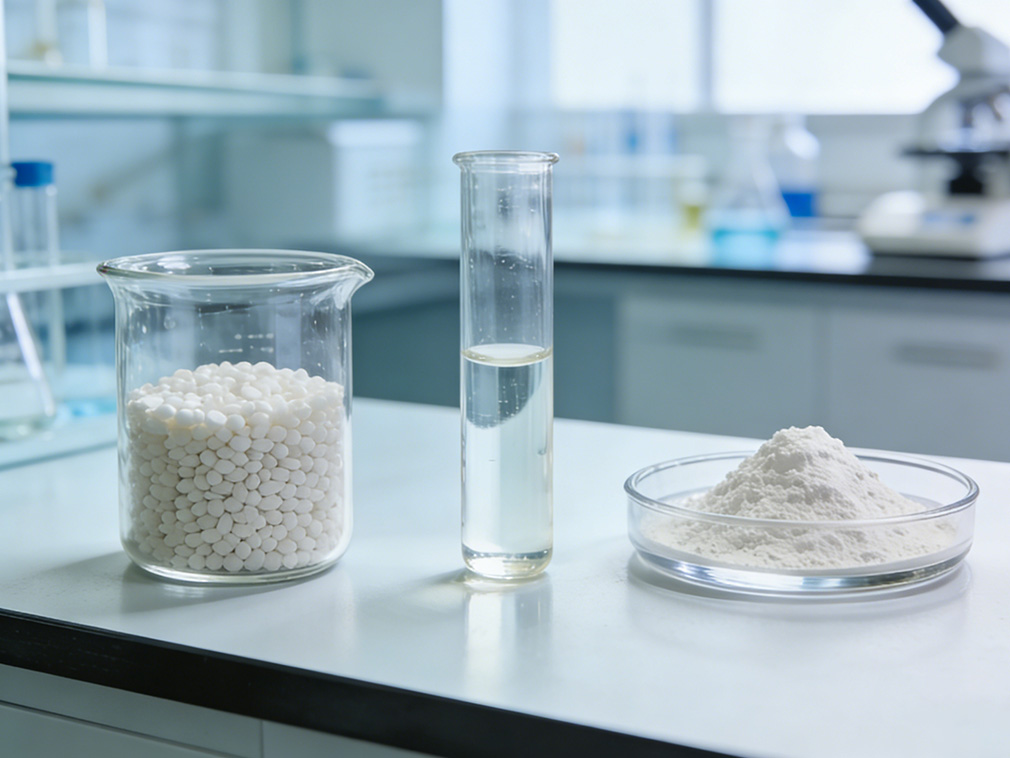
Current industry focus is concentrated on three main areas:
First, the adoption of lead-free products is accelerating. More than 70 countries worldwide have implemented bans on lead and cadmium stabilizers, and the market share of environmentally friendly products is expected to rise to over 85% by 2030.
Second, multifunctional integration is emerging. Through compounding technology, multiple functions such as stabilization, plasticization, and lubrication are achieved, simplifying the processing flow.
Thirdly, the research and development of bio-based stabilizers, using plant oleate and lignin derivatives as raw materials, has become an important direction for exploring the circular economy due to their biodegradable properties.
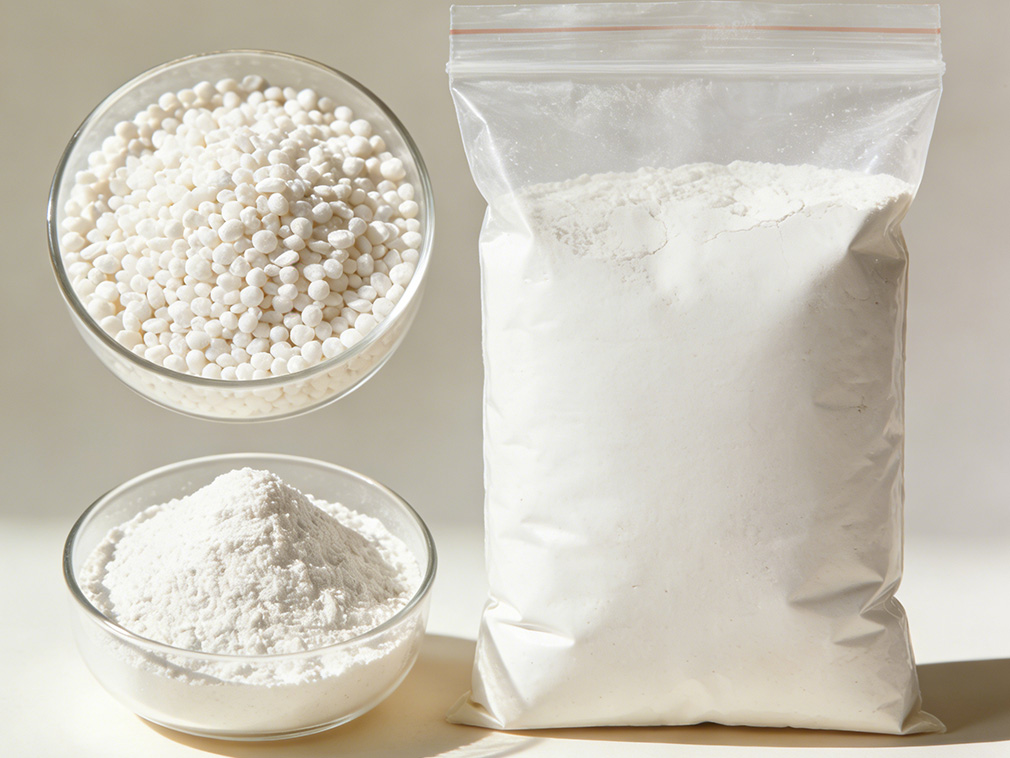
At the market level, China has become the world's largest producer and consumer of PVC heat stabilizers, with its market share expected to exceed 40% by 2025. Demand growth is leading in sectors such as wire and cable, and automotive interiors.
However, the industry still faces challenges such as fluctuating raw material prices and pressure on technological upgrades for small and medium-sized enterprises. Mergers and acquisitions and patent strategy have become core competitive advantages for companies.
Our platform connects hundreds of verified Chinese chemical suppliers with buyers worldwide, promoting transparent transactions, better business opportunities, and high-value partnerships. Whether you are looking for bulk commodities, specialty chemicals, or customized procurement services, TDD-Global is trustworthy to be your fist choice.












