PVC vs ABS: Which Plastic Is Right for Your Application?
Choosing between PVC and ABS plastic can significantly impact the performance, cost, and sustainability of your product. While both thermoplastics are widely used in construction, automotive, and medical industries, they have distinct differences in flexibility, temperature resistance, and recyclability.
This article breaks down the physical and chemical properties of PVC and ABS, comparing their applications, molding behavior, and end-of-life recycling processes. Whether you're sourcing from a chemical industry B2B platform or consulting a certified chemical supplier, understanding these materials will help you make an informed decision for your manufacturing needs. Read on to discover which plastic suits your project best.
When choosing materials for injection molding or extrusion, polyvinyl chloride (PVC) and acrylonitrile butadiene styrene (ABS) stand out as two of the most reliable thermoplastics. Both are rigid, affordable, and easily processed, but their specific characteristics make them ideal for different applications. Understanding their unique properties and limitations is crucial for selecting the right material for your next product design or component manufacturing project.
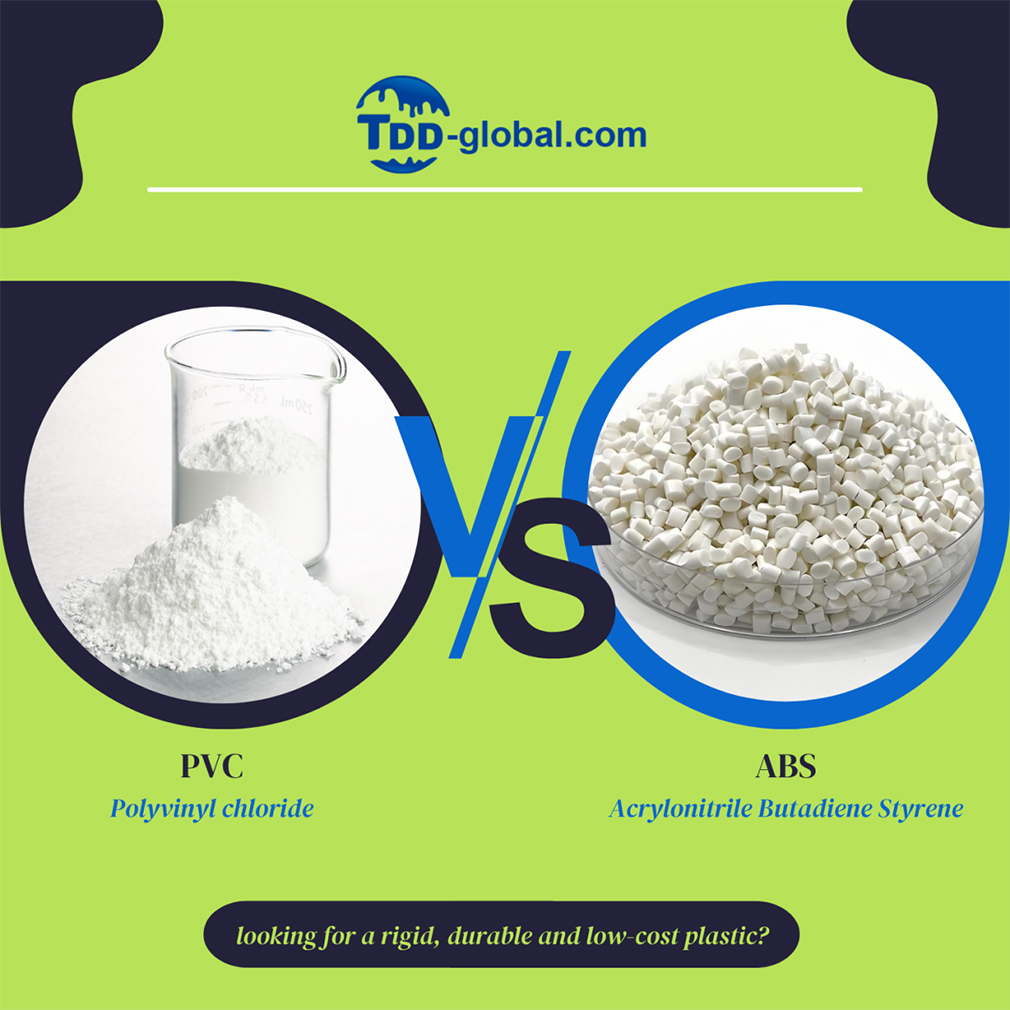
What is PVC?
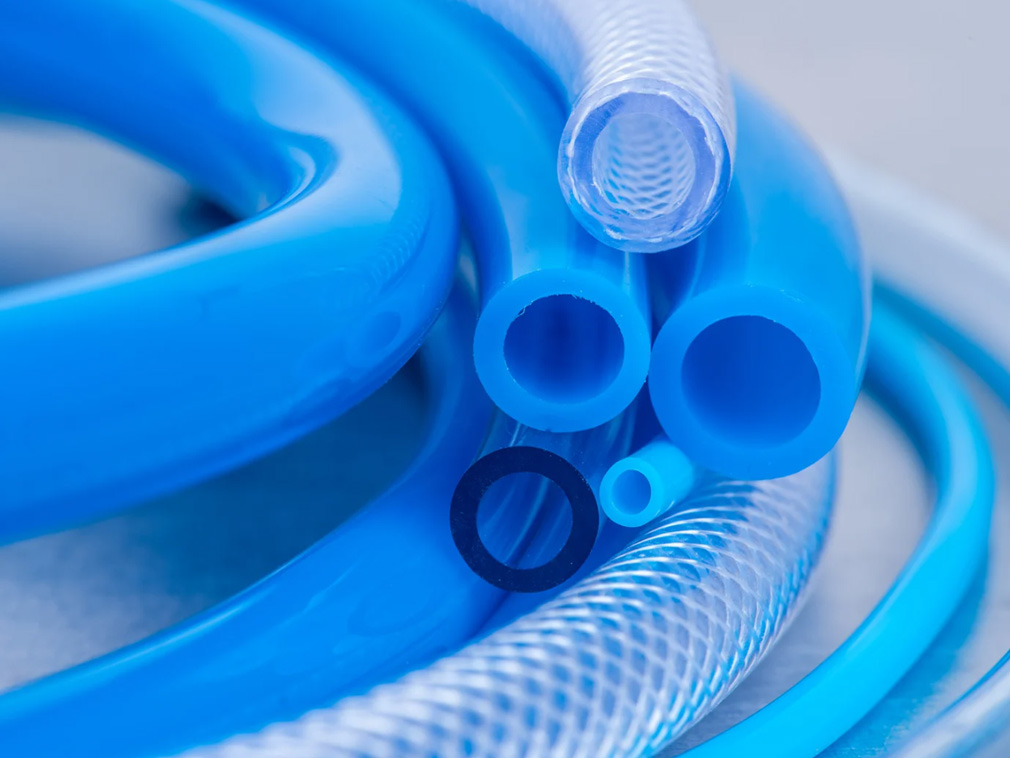
PVC is a crystalline thermoplastic known for its toughness and chemical resistance. Its molecular structure gives it high rigidity and flame resistance. PVC melts at around 338–410°F (170–210°C), and its molding temperature ranges from 68–140°F (20–60°C), making it suitable for a variety of industrial applications. Depending on its formulation, PVC can be made flexible or remain rigid, depending on the additives used—such as plasticizers, heat stabilizers, and impact modifiers.
Common Uses of PVC:
Window profiles and door frames
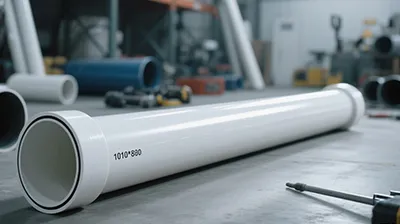
Pipes and fittings for plumbing and irrigation
Electrical cable insulation
Automotive sealing and underbody coatings
Medical tubing, masks, and blood bags
Due to its versatility and chemical durability, PVC remains a top choice in sectors like construction, automotive, and healthcare.
What is ABS?
ABS is an amorphous thermoplastic polymer composed of acrylonitrile, butadiene, and styrene. It’s well-regarded for its impact strength, gloss finish, and dimensional stability. ABS melts at a higher range—between 410–500°F (210–260°C)—and offers excellent flow properties, making it ideal for precision molding. Like PVC, ABS can be tailored with additives such as UV or heat stabilizers to suit demanding applications.
Common Uses of ABS:
Automotive parts like dashboards and trim
Computer keyboards and consumer electronics
3D printed components
Indoor piping systems
Household tools and vacuums
ABS is often preferred when strength, surface finish, and ease of processing are essential.
|
Property |
PVC |
ABS |
|
Flexibility |
Rigid to flexible |
Rigid |
|
Max Continuous |
140°F (60°C) |
176–203°F (80–95°C) |
|
Density |
1.38 g/cm³ |
1.0–1.05 g/cm³ |
|
Transparency |
Opaque |
Opaque |
|
Chemical Resistance |
good |
good |
|
Tensile Strength |
2.6 N/mm² |
40–50 MPa |
PVC generally offers better flame and chemical resistance, whereas ABS delivers superior impact resistance and surface aesthetics.
Recycling and Environmental Considerations
Both ABS and PVC are recyclable, though the process is intensive and must be handled by specialized facilities. Here's how recycling typically works:
Cleaning: Removal of paints, labels, and contaminants.
Separation: Manual or chemical removal of additives.
Reprocessing: Grinding, melting, and remolding into pellets or sheets.
Recycled PVC is commonly used in construction products like piping and flooring, while recycled ABS finds new life in automotive parts and 3D-printed prototypes. However, their dense polymer structures can make them less eco-friendly than other biodegradable plastics. That’s why consulting with a certified chemical manufacturer or reliable plastic exporter is essential for sustainable sourcing.
When to Choose PVC or ABS?
Choose PVC when:
Flame resistance and electrical insulation are priorities
Cost-efficiency is critical in high-volume production
Flexibility or rigidity is required depending on formulation
Choose ABS when:
Aesthetic finish and toughness are important
Components need precise tolerances and surface detailing
UV resistance or thermal stability is required with additives
Both plastics are excellent choices for injection molding, but product performance can vary drastically if molding conditions are not properly controlled. That’s why working with an experienced chemical supplier or bulk plastic material distributor is crucial.
PVC and ABS each offer compelling advantages depending on the application. As material selection directly affects performance, cost, and environmental impact, manufacturers should evaluate project-specific needs with guidance from professionals in the chemical supply chain. Companies like Tdd-global and others on chemical industry B2B platforms offer tailored sourcing solutions, ensuring the right plastic resin—whether ABS, PVC, or a blend—is selected with long-term use and recyclability in mind.
Our platform connects hundreds of verified Chinese chemical suppliers with buyers worldwide, promoting transparent transactions, better business opportunities, and high-value partnerships. Whether you are looking for bulk commodities, specialty chemicals, or customized procurement services, TDD-Global is trustworthy to be your fist choice.