Shaping the Future of Copolyesters: PETG, PCTG, PCTA & Tritan
The copolyester family—PETG, PCTG, PCTA, and Tritan—has emerged as a cornerstone of modern material innovation, offering a balance of clarity, toughness, and chemical resistance while remaining BPA-free and recyclable. Once mainly used for high-end cosmetic packaging, these materials now extend into food safety, healthcare, electronics, and sustainable packaging solutions. With the global copolyester market projected to exceed $12.5 billion by 2024, demand continues to rise across industries. Companies like TDD-GLOBAL are advancing this evolution with high-performance PETG resins designed for injection molding, films, and specialty applications, setting new benchmarks for versatility, environmental responsibility, and industrial performance.
In recent years, copolyester materials have moved from niche applications to mainstream industrial use. Market analysts estimate that by 2024 the global copolyester sector will reach approximately $12.5 billion, with PETG alone expected to expand at an annual growth rate of 6–8%. This growth reflects both the unique technical advantages of these resins and the rising demand for safer, more durable, and environmentally responsible materials.
The story of PETG begins with its parent material, PET (Polyethylene Terephthalate), developed in the 1940s. By incorporating glycol into the PET structure, scientists in the 1960s created PETG—a copolyester with superior clarity, toughness, and chemical resistance. Early adoption occurred in luxury cosmetics packaging, where traditional acrylic containers often failed under solvent exposure or impact stress. PETG, with its improved durability and transparency, quickly became the preferred alternative.
PCTG (Polycyclohexanedimethylene Terephthalate Glycol) soon followed, offering even greater toughness by increasing the proportion of CHDM. This structural change gave manufacturers a material suited for applications where impact resistance and flexibility are essential. PCTA, meanwhile, added isophthalic acid to improve chemical stability and transparency, making it ideal for challenging environments. Tritan, a high-temperature derivative of PCTG, brought new heat resistance, becoming widely used in reusable bottles, baby products, and food-contact containers that must endure repeated sterilization.
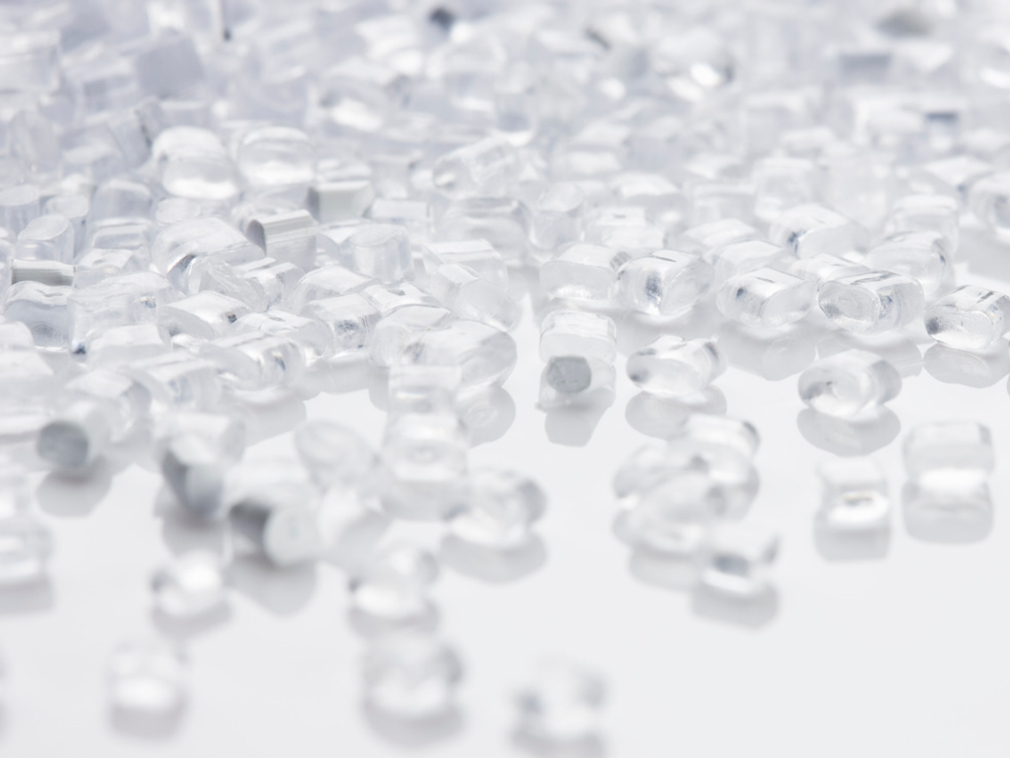
Expanding Applications Across Industries
Initially linked to cosmetics and premium packaging, PETG and its derivatives have expanded into new fields:
Food and Beverage Packaging: Transparent bottles, large-capacity containers, and shrink films for beverages and food labeling. PETG’s barrier properties help preserve freshness, while its toughness prevents breakage.
Healthcare and Medical Devices: Owing to its clarity, sterilizability, and resistance to stress cracking, PETG has become a trusted material for medical packaging, diagnostic tools, and protective equipment.
Electronics and Consumer Goods: Used in durable casings, display panels, and components requiring high clarity and impact strength.
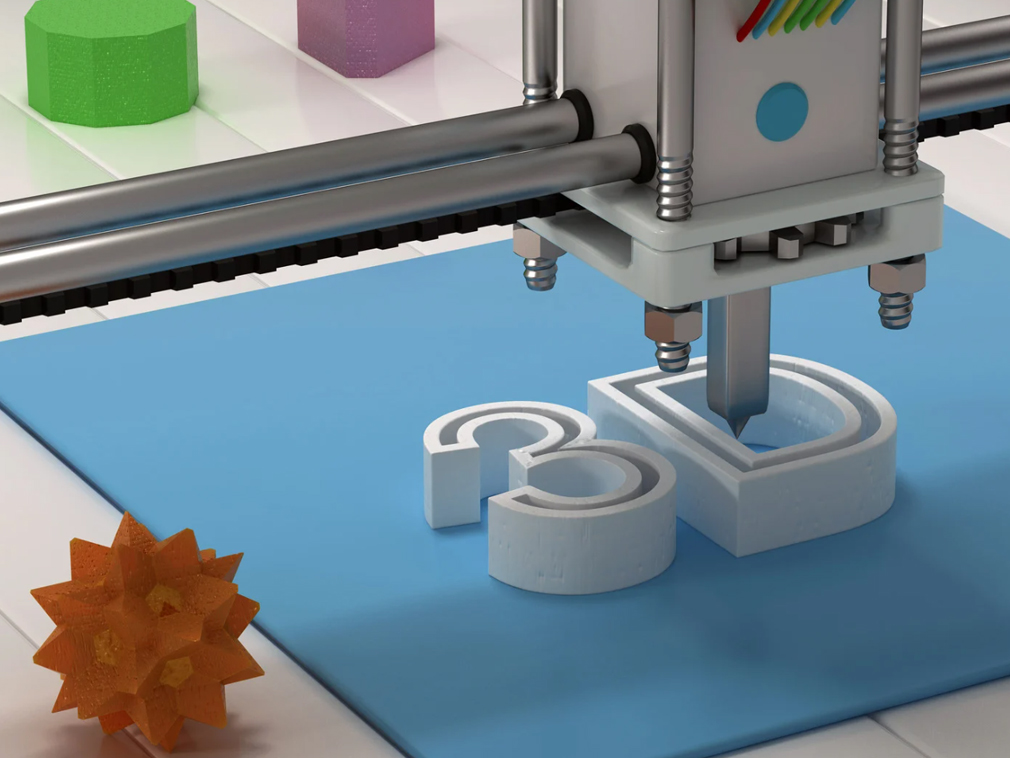
3D Printing: PETG filaments have become a favorite in additive manufacturing, balancing strength, flexibility, and ease of processing.
Compared with acrylic, glass, or PVC, copolyesters such as PETG consistently deliver a better balance of performance, safety, and design freedom.
Film-Grade and Bottle-Grade PETG
PETG’s adaptability is especially visible in its specialized grades. Film-grade PETG is widely used in high-performance shrink films with shrinkage rates exceeding 70%, making it a go-to material for packaging irregularly shaped containers. These films boast outstanding clarity, gloss, and printability, outperforming alternatives like PVC or BOPP while offering chlorine-free environmental advantages.
Bottle-grade PETG, on the other hand, strengthens traditional polyester containers. Its superior toughness and clarity make it suitable for medical bottles, food jars, and even eco-friendly beer packaging, where PETG’s barrier properties extend product shelf life and enhance safety.
Innovations from TDD-GLOBAL
As one of the industry’s leading innovators, TDD-GLOBAL has introduced advanced PETG resins engineered to meet the growing demands of high-performance applications. Two notable products highlight this progress:
High-Brightness PETG Resin CPT-3906: Tailored for injection molding, this resin offers excellent resistance to stress whitening, smooth flowability, and remarkable transparency. It enables complex shapes and high-clarity designs without sacrificing durability.

Film-Grade PETG Resin CPT-3912: Designed for thermoforming and shrink film applications, CPT-3912 provides superior adhesion, durability, and processing stability. Its low haze and outstanding optical properties make it ideal for premium packaging and labeling solutions.
By focusing on sustainability and performance, TDD-GLOBAL is helping industries transition from traditional materials to safer and greener alternatives without compromising efficiency or design quality.
Looking Ahead
The evolution of PETG and its derivatives reflects broader shifts in consumer expectations and industrial standards. Transparency, chemical safety, recyclability, and toughness are no longer optional but essential qualities. With rising demand across food, medical, consumer goods, and packaging sectors, copolyesters are set to define the future of material innovation.
As companies like TDD-GLOBAL push boundaries with advanced PETG resins and sustainable production methods, copolyester materials will continue to expand their role as reliable, versatile, and environmentally responsible solutions for modern manufacturing.
Our platform connects hundreds of verified Chinese chemical suppliers with buyers worldwide, promoting transparent transactions, better business opportunities, and high-value partnerships. Whether you are looking for bulk commodities, specialty chemicals, or customized procurement services, TDD-Global is trustworthy to be your fist choice.