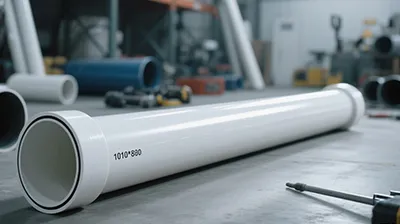
Plastics Resistant to Impact: Industrial Guards
Impact-Resistant Plastics: The Industrial Guardian of Stiffness and Flexibility
Behind the world of steel and precision electronics lies a seemingly ordinary material with extraordinary skills, quietly safeguarding the safety and longevity of countless products—impact-resistant plastics. They aren't the protagonists on the battlefield, but rather the "guardians" who turn the tide in critical moments.
From the thrilling moment of a car bumper, to the accidental drop of a children's toy, to the turnover boxes navigating the global logistics network, their unique properties achieve a delicate balance of strength and flexibility at the molecular level.
Toughness at the Core: The "Tai Chi" of Molecular Chains
The soul of impact resistance lies in its high toughness. This is far more than a simple hardness metric; it involves a delicate "dance" within the material's microscopic world. Imagine the flexible and highly entangled molecular chains within plastic as an invisible elastic web.
When struck by a sudden impact, they don't shatter head-on. Instead, they employ the "Kung Fu" of Tai Chi—silently absorbing and dissipating the destructive energy through delicate sliding, stretching, and stretching.
This process is accompanied by noticeable plastic deformation, like a well-trained cushion. Consider a car bumper on the street. The polypropylene-based impact-resistant plastic, in the event of a minor scrape or collision, relies on this very skill of "soft overcoming hardness" to absorb the impact through its own deformation, avoiding the tragedy of instant shattering, preserving the expensive car frame, and saving the owner significant repair costs.
Even more remarkable is that this resilience can be freely controlled. Whether it's the "drizzle" of everyday bumps or the "storm" of unexpected collisions, it can hold its ground, striving to maintain component integrity and providing a reliable safety barrier.
The Art of Flexibility: The Wisdom of Survival in the Bending
Flexibility is the "clever power" that impact-resistant plastics use to overcome crises. Some are naturally flexible at room temperature, while others "unlock" increased flexibility within specific temperature ranges. When impact strikes, they don't withstand the brittle force of glass.
Instead, they gracefully bend and deform with the force of the impact, quickly dispersing the concentrated force and preventing localized stress from accumulating and causing fracture. Think of the ABS plastic toys in children's hands. They're dropped and smashed again and again, yet they simply bend and twist with frustration, rarely shattering.
This not only makes the toys more durable, extending playful moments, but more importantly, it significantly reduces the risk of sharp fragments injuring children. This flexibility also gives designers greater freedom, allowing them to easily create streamlined shapes and complex curved surfaces, seamlessly integrating functionality and aesthetics within the plastic's "flexible bones."
A durable shield: A tester of time and impact
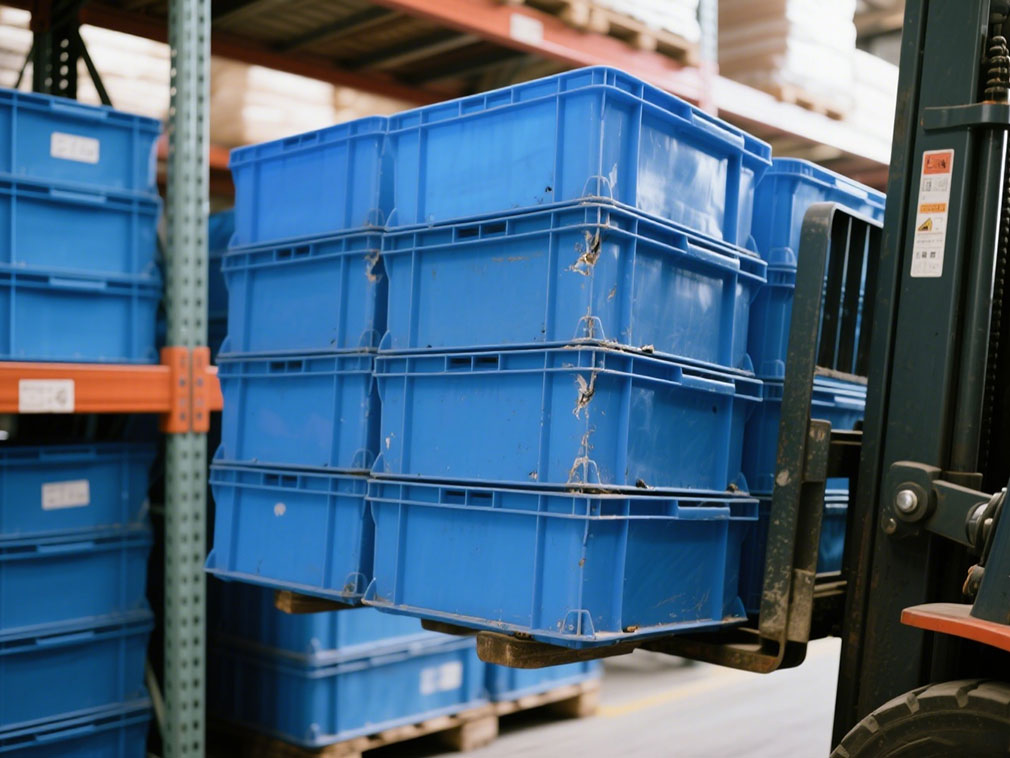
True protection requires the ability to withstand the test of time. The durability of impact-resistant plastics is the cornerstone of their longevity. Through sophisticated formula design and refined craftsmanship, they withstand repeated impacts with minimal degradation and maintain a consistently stable structure. The resilient plastic containers used in the logistics battlefield are a testament to this.
They jostle between warehouses and trucks, enduring countless collisions and falls, yet remain remarkably robust, rarely cracking or breaking. Compared to disposable cardboard or heavy wooden boxes, they can be recycled for years, significantly reducing packaging costs and the environmental burden, making them true "green guardians."
This durability is also reflected in their resilience to withstand harsh environments. Whether exposed to the elements, whether exposed to sun and rain, the vicissitudes of cold and heat, or the corrosive effects of humidity and salt spray, high-quality impact-resistant plastics withstand aging with ease, ensuring long-term performance and maintaining reliable performance, silently protecting transportation facilities and exposed industrial components in the face of wind and rain.
Immune to all poisons: An "iron wall" in the chemical battlefield
Extreme chemical resistance expands their protective capabilities. Faced with the "siege" of acids, alkalis, and saline solutions, or the "attack" of common organic solvents, many impact-resistant plastics remain unmoved, refusing to corrode, dissolve, or otherwise lose their performance.
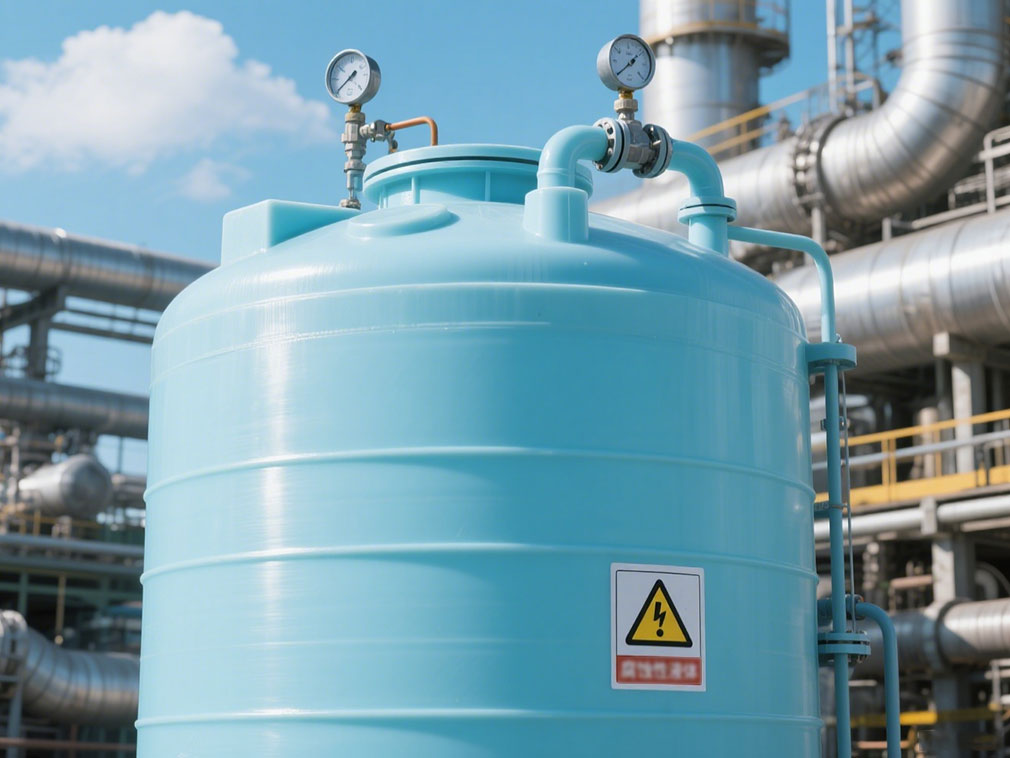
This allows them to proudly enter the chemical industry. Consider chemical pipes and tanks made of polyethylene impact-resistant plastic. They constantly come into contact with corrosive fluids and withstand the erosion and soaking of water, yet unlike metal, they resist rusting, perforation, and leakage, providing a reliable "plastic wall" for chemical plant safety.
Certain impact-resistant plastics also excel in the demanding sterility of medical equipment. When made into device housings or sterilization containers, they withstand repeated exposure to high-temperature steam sterilization and harsh chemical disinfectants, ensuring the cleanliness and long-term use of the equipment.
Cooling down hot and cold: The "stabilizing force" in the face of fluctuating temperatures
Temperature is the tuner of material properties. High-quality impact-resistant plastics possess exceptional temperature stability, enabling them to maintain consistent performance (i.e., impact resistance) across a wide temperature range. This is achieved through the careful adjustment of their molecular structure and the ingenious application of plasticizers or stabilizers.
In the heart of a car, amidst roaring engines and sweltering heat, high-temperature and impact-resistant plastic components (such as underhood brackets and piping) remain remarkably resilient, refusing to become brittle or crack, even in temperatures of 100-150°C.
And in the freezing cold of northern China (tens of degrees below zero), outdoor plastic barrier blocks and warning posts also rely on this low-temperature resilience to withstand impacts, preventing brittle cracking and failure due to freezing, silently safeguarding safety on icy roads.
Lightweight: A powerful tool that makes light work of heavy tasks
Finally, its inherent lightness cannot be overlooked. Compared to heavy metal, impact-resistant plastic has a much lower density, potentially weighing only a fraction of the weight of metal for the same volume. However, this "lightness" is by no means "weakness."
Its strength is sufficient for a wide range of applications, resulting in an extremely high "strength-to-weight ratio" (specific strength). In the pursuit of every gram of weight reduction, aircraft interiors and satellite components utilize impact-resistant plastics, effectively reducing weight, resulting in lower fuel consumption and longer range.
The lightweight and sturdy casings of our laptops and mobile phones also benefit from this material, making them easy to carry while protecting the delicate internal components from everyday bumps and drops. This lightness also means less effort and greater efficiency during transportation and installation, reducing overall costs from the source.
Our platform connects hundreds of verified Chinese chemical suppliers with buyers worldwide, promoting transparent transactions, better business opportunities, and high-value partnerships. Whether you are looking for bulk commodities, specialty chemicals, or customized procurement services, TDD-Global is trustworthy to be your fist choice.