
Polypropylene (PP) Guide: Properties, Types, Applications & Trends
Polypropylene (PP), one of the five major general-purpose plastics, is the synthetic resin material with the highest global production and consumption. It is produced by the polymerization of propylene monomers and possesses excellent properties such as low density, good heat resistance, and strong chemical stability, making it widely used in packaging, automotive, medical, textile, and many other fields.
Material Properties
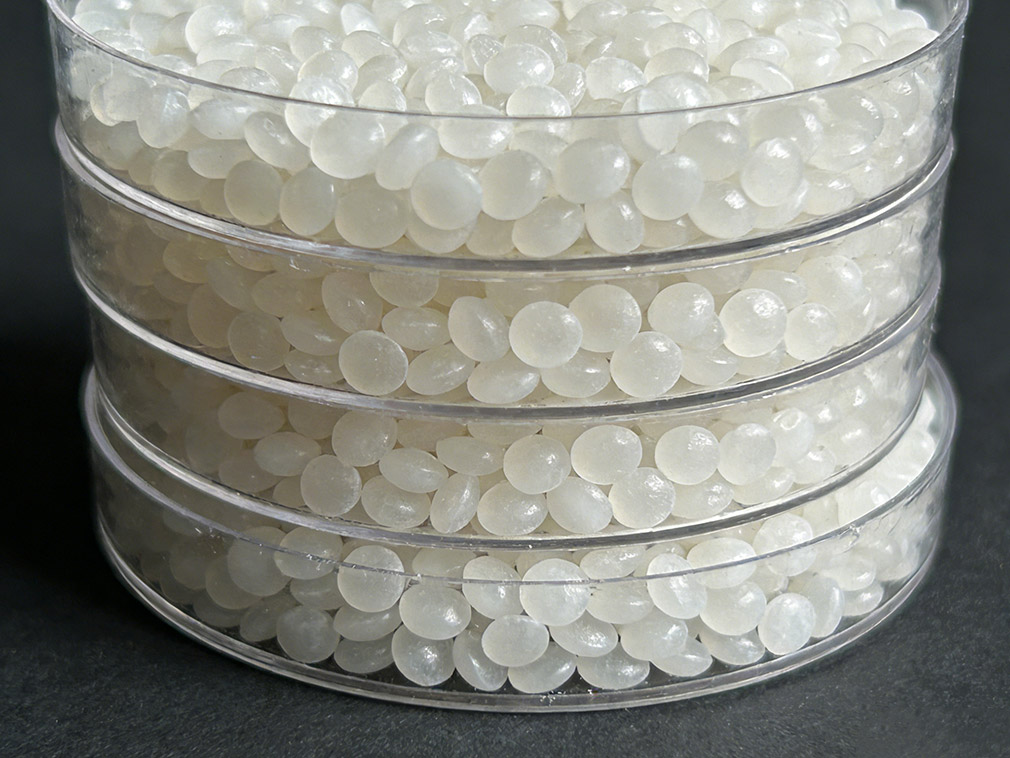
Polypropylene has a density of approximately 0.90–0.91 g/cm³, making it one of the lowest density plastics available, a characteristic that gives it an advantage in lightweight design. Its melting point is between 160–170℃, and it can withstand short-term temperatures up to approximately 120℃, thus making it suitable for heat-resistant products such as microwave-safe food containers.
In terms of mechanical properties, polypropylene exhibits good strength and toughness, with a tensile strength typically ranging from 25–40 MPa. This material demonstrates outstanding chemical resistance, showing stability against most acids, alkalis, salts, and organic solvents. Simultaneously, polypropylene has excellent electrical insulation properties and a low dielectric constant, making it suitable for electrical insulation applications.
Polypropylene has good processing performance and can be efficiently produced through various processes such as injection molding, extrusion, blow molding, and thermoforming, with short molding cycles. The material itself is colorless, odorless, and non-toxic, meeting food contact safety standards, and is widely used in food packaging and catering utensils.
Main Types
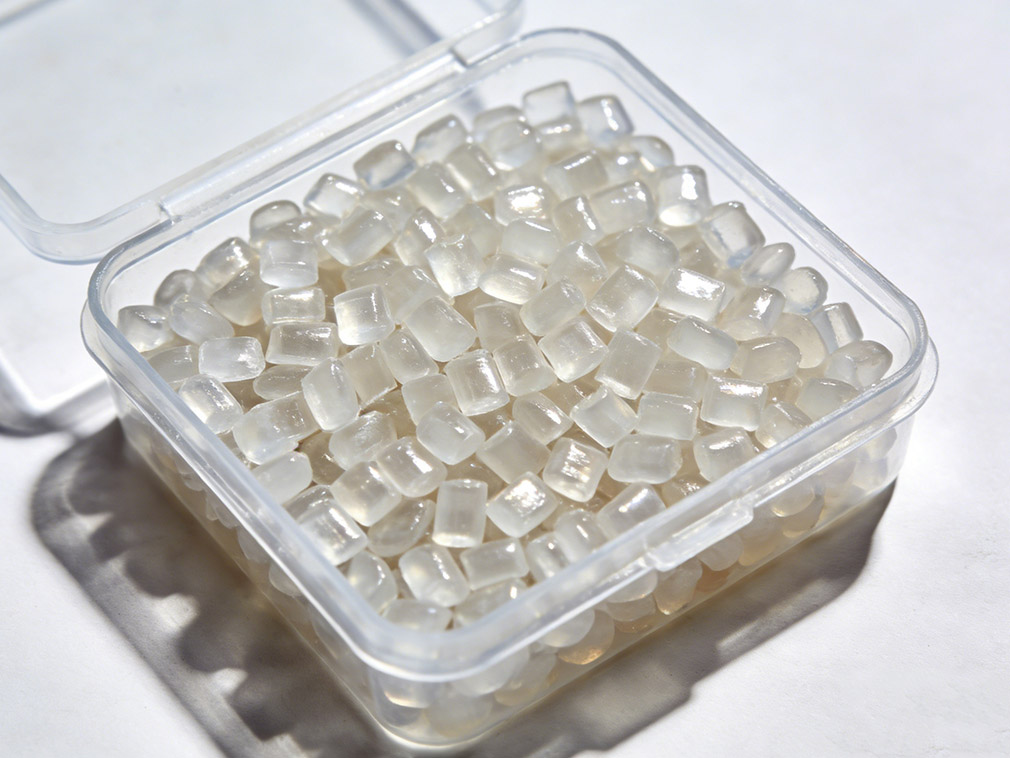
Based on differences in molecular structure and polymerization process, polypropylene is mainly divided into homopolymer polypropylene (PP-H) and copolymer polypropylene. Homopolymer polypropylene is polymerized from pure propylene monomers, exhibiting high crystallinity, strong rigidity, and good heat resistance, and is often used in injection-molded products, pipes, and films.
Copolymer polypropylene introduces a small amount of ethylene monomers during polymerization, thereby improving impact resistance and low-temperature toughness, making it more suitable for impact-resistant components such as automotive bumpers and appliance housings.
Copolymer polypropylene can be further subdivided into random copolymer polypropylene (PP-R) and block copolymer polypropylene (PP-B). In random copolymers, ethylene units are randomly distributed, resulting in high transparency and good flexibility, and is often used in transparent packaging materials; in block copolymers, ethylene segments form independent blocks, providing better rigidity, and are often used in industrial products.
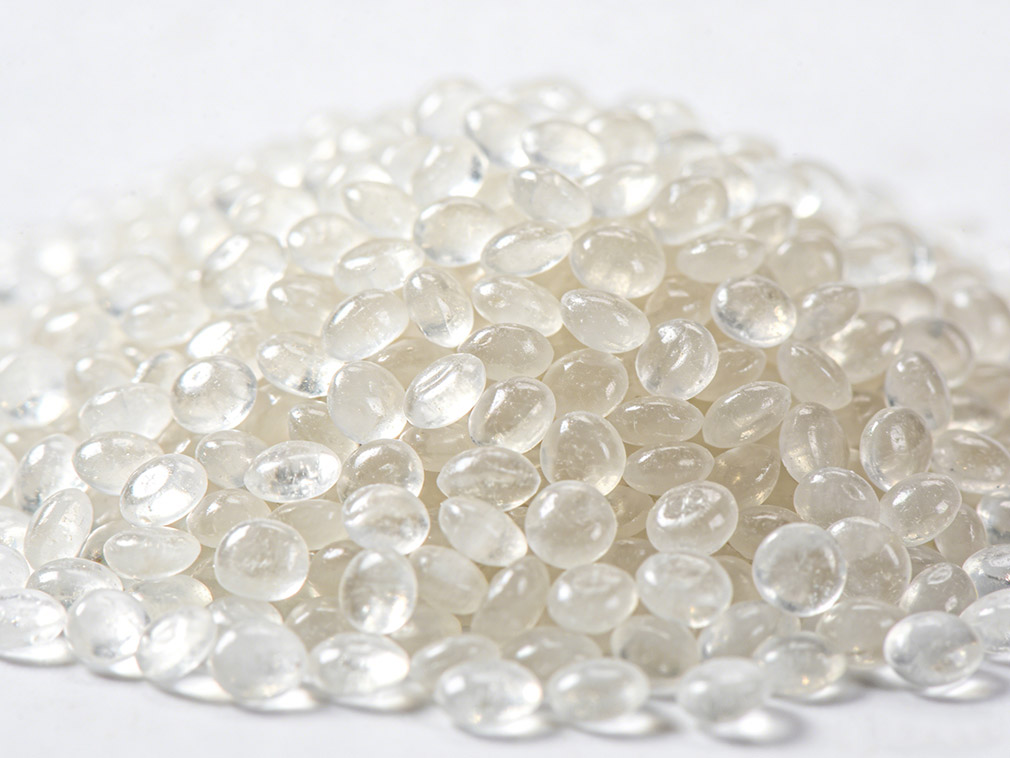
Transparent polypropylene is a rapidly developing product in recent years. By optimizing the polymerization process or adding nucleating agents, its light transmittance can exceed 90%, approaching the performance of transparent materials such as polycarbonate and polystyrene, while offering a cost advantage. It has broad application prospects in food packaging, daily necessities, and other fields.
Application Areas
Packaging is the largest application market for polypropylene. Polypropylene film has good heat-sealing properties, printability, and moisture resistance, and is widely used in food bags, clothing packaging, etc. Injection-molded polypropylene bottles, boxes, cups, and other containers are also commonly used in food, beverage, and daily chemical product packaging. In 2024, China's polypropylene production capacity reached 43.69 million tons, a significant portion of which served the needs of the packaging industry.
The automotive sector is the second largest application market for polypropylene. With its low density, moderate cost, and ease of recycling, polypropylene plays a significant role in automotive lightweighting, commonly found in dashboards, door interiors, bumpers, battery casings, and other components.
With the development of new energy vehicles, the demand for lightweight materials is further increasing, and the application ratio of polypropylene in this field continues to grow.
In the medical field, polypropylene (PP) is used in products such as syringes, infusion bottles, and surgical instrument packaging due to its excellent high-temperature sterilization resistance and high chemical stability. Medical-grade PP must meet stringent biocompatibility and toxicology standards and is considered a high-value-added product.
In the textile industry, PP fibers can be used to manufacture non-woven fabrics, carpet backings, and geotextiles. PP non-woven fabrics are breathable and high-strength, and are widely used in medical protective equipment such as masks and protective clothing, as well as hygiene products such as diapers and wet wipes.
Development Trends
Currently, the PP industry is transitioning from scale expansion to quality improvement. Industry analysis indicates that the core focus of PP has shifted from "overcapacity" to "value enhancement," with companies increasingly focusing on developing high-value-added products.
In 2024, China's self-sufficiency rate for high-performance PP materials was approximately 54%, and there is still room for import substitution in high-end products.
Environmental protection and sustainable development are important directions for the industry. Research and development of recyclable and biodegradable PP materials is receiving increasing attention, and recycling technologies are continuously improving. Green technology routes such as bio-based PP and chemical recycling and repolymerization of waste plastics are also being actively promoted.
Functionalization and compounding are key areas of technological innovation. Adding functional additives such as antibacterial, flame-retardant, and UV-resistant agents can endow polypropylene with special properties. Combining it with glass fiber, carbon fiber, and other materials further enhances its mechanical properties and expands its applications in engineering fields.
The application of metallocene catalyst technology is driving the upgrading of polypropylene product structure. Polypropylene produced using this catalyst has a narrow molecular weight distribution and a uniform distribution of comonomers, which facilitates more precise performance control and meets the demands of the high-end market.
The expansion of transparent polypropylene production capacity has also become an important industry trend. With the increasing demand for transparent materials in packaging and other fields, many companies are increasing investment in transparent polypropylene production lines, and the application of this material in food packaging, transparent storage boxes, disposable lunch boxes, and other scenarios continues to expand.
Our platform connects hundreds of verified Chinese chemical suppliers with buyers worldwide, promoting transparent transactions, better business opportunities, and high-value partnerships. Whether you are looking for bulk commodities, specialty chemicals, or customized procurement services, TDD-Global is trustworthy to be your fist choice.












