
Polyethylene Types and Applications: HDPE, LDPE, LLDPE Insights
Polyethylene (PE) is a widely used semi-crystalline thermoplastic polyolefin plastic. Its core raw material is ethylene monomer. While belonging to the polyolefin family like polypropylene (PP), it exhibits significant differences in monomer structure and polymerization characteristics. Its core industrial production process originated in the 1950s, jointly developed by German chemist Karl Ziegler and Italian chemist Giulio Natta.
The classic Ziegler-Natta catalytic process completely overcame the technical limitations of traditional high-pressure polymerization, significantly reducing energy consumption in polyethylene production and improving the controllability of molecular structure.
It remains one of the mainstream processes for industrial polyethylene production. With the iteration of materials technology, new processes such as metallocene catalysis have emerged, further optimizing the molecular regularity and performance stability of polyethylene, making it suitable for more high-end applications.
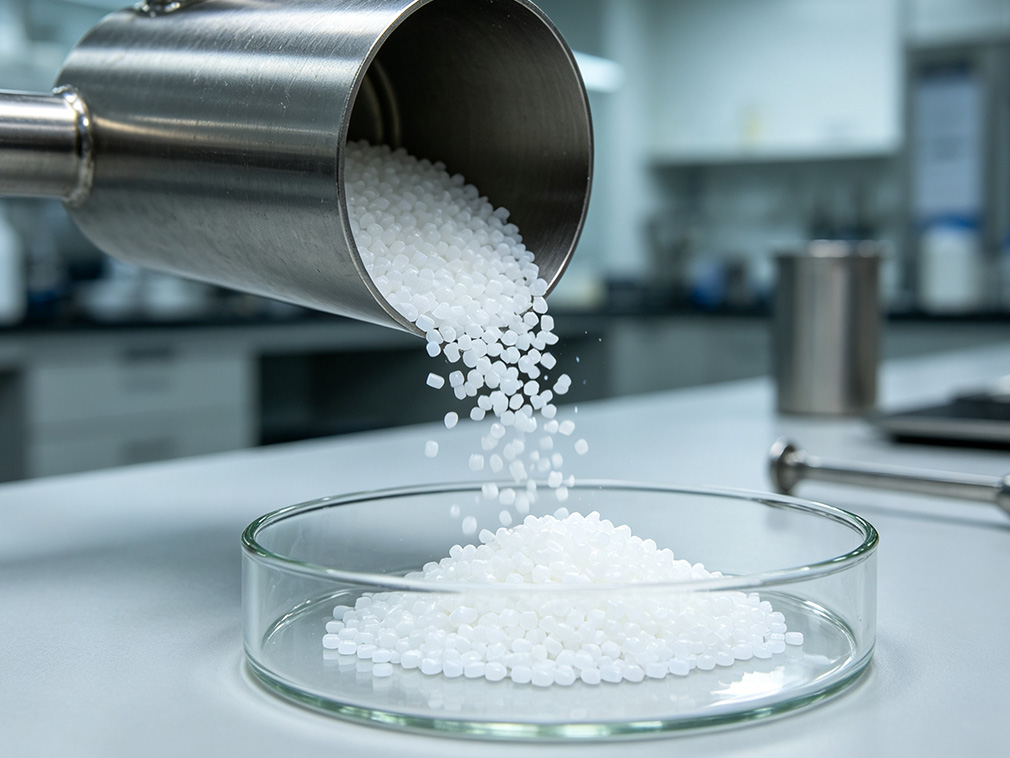
Density variation is the most core and unique characteristic of polyethylene, and the fundamental reason for its segmentation and diverse performance. The density range of polyethylene is mainly determined by the number, length, and arrangement of branches in the molecular chain. Different manufacturing processes directly change the proportion of crystalline and amorphous components within the polymer.
A higher proportion of crystalline structure results in denser molecular chain packing, leading to stronger material density, rigidity, heat resistance, and chemical stability. Conversely, a higher proportion of amorphous structure results in greater molecular chain freedom, superior material flexibility, light transmittance, and impact resistance.
This tunable structural characteristic allows polyethylene to achieve customized performance through process fine-tuning, making it a highly versatile polymer material in industry, consumer goods, and agriculture.
Based on differences in molecular structure and density, the industry categorizes polyethylene into two main basic types: high-density polyethylene (HDPE) and low-density polyethylene (LDPE). Linear low-density polyethylene (LLDPE) has also emerged to adapt to specific application scenarios. These three types of materials exhibit significant differences in structure and performance, with each type focusing on different application areas. High-density polyethylene (HDPE) is predominantly composed of linear long molecular chains with very few branches and extremely high regularity, achieving a crystallinity of over 90% and a stable density of 0.941–0.965 g/cm³.
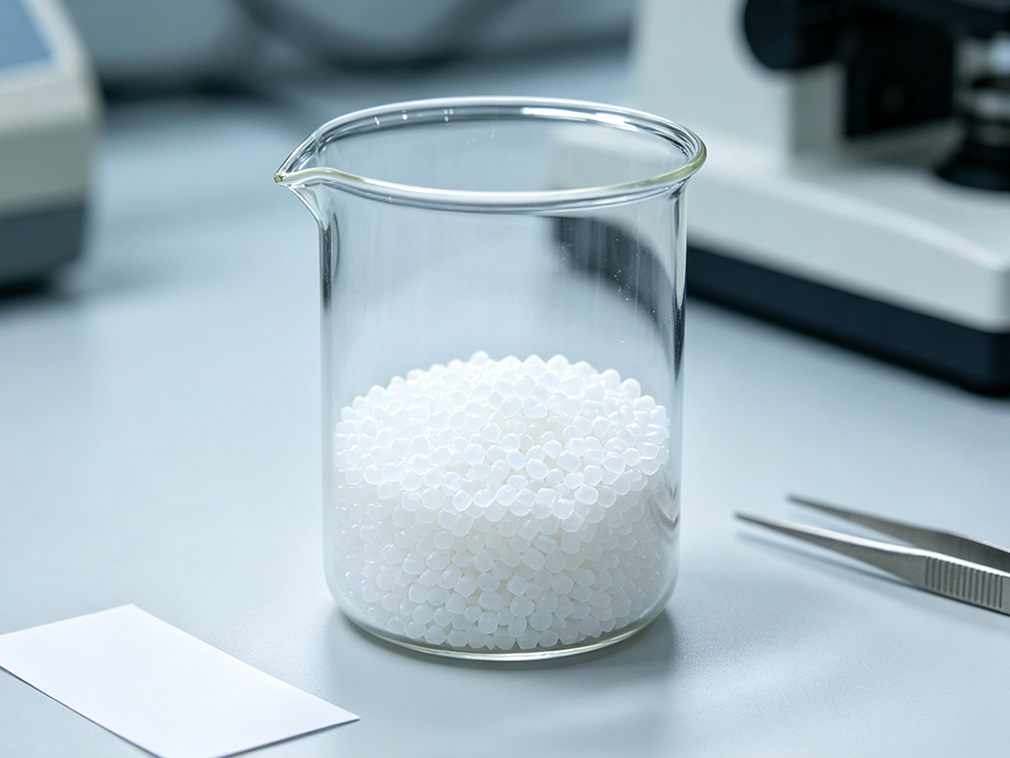
The dense molecular packing structure endows HDPE with excellent rigidity, tensile strength, and temperature resistance, while also possessing extremely low water absorption and excellent resistance to acid, alkali, and organic solvent corrosion, as well as good processing and molding stability. Based on these properties, HDPE is widely used in the manufacture of high-strength pipes, chemical storage tanks, food handling boxes, plastic pipes, and municipal drainage facilities, making it a core raw material for industrial structural components and weather-resistant plastic products.
Low-density polyethylene (LDPE) is prepared using a high-pressure polymerization process. Its molecular chains contain numerous branches of varying lengths, with approximately 21 branches per thousand carbon atoms. The molecular chains cannot be tightly packed, resulting in a crystallinity of only 45%–65% and a density between 0.910–0.925 g/cm³.
The loose molecular structure makes LDPE soft, highly ductile, and translucent, with excellent low-temperature toughness, but its rigidity, heat resistance, and mechanical strength are relatively weak. This material is easy to process and cost-effective, making it a primary raw material for civilian flexible plastic products. Commonly seen products such as food preservation films, shopping plastic bags, agricultural films, and flexible cable insulation sheaths are mostly made from LDPE.
Linear low-density polyethylene (LLDPE) is a modified polyethylene produced by improving the Ziegler-Natta catalytic process. It is copolymerized from ethylene with a small amount of α-olefins, resulting in a linear molecular chain with uniform, short branches, perfectly combining the advantages of both crystalline and amorphous structures.
Its density is similar to LDPE, but its branch distribution is more regular, giving it superior tensile strength, tear resistance, and low-temperature cracking resistance compared to LDPE, while significantly improving toughness and fatigue resistance.
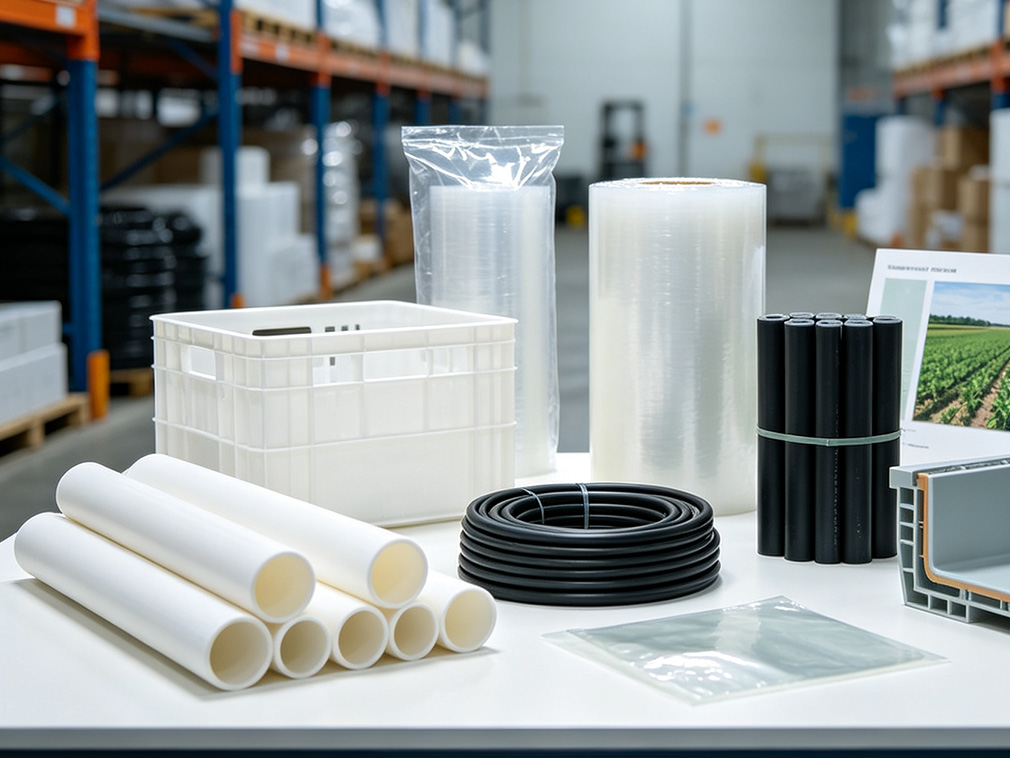
Currently, over 70% of LLDPE production capacity is used for film production. High-end food packaging films, high-strength agricultural covering films, and industrial heavy-duty packaging films all utilize this material extensively. It can also be used to manufacture flexible pipes, wire insulation accessories, and other products requiring high toughness, making it an important material suitable for mid-to-high-end flexible plastic applications.
Polyethylene, with its core advantages of adjustable structure, diverse properties, high cost-effectiveness, environmental friendliness, and weather resistance, has achieved full coverage from low-end consumer goods to high-end industrial materials. The differentiated performance of different types of polyethylene allows it to adapt to diverse market demands. Combined with mature production processes and recyclability, it maintains its irreplaceable industrial position in the current era of green material upgrades.
Our platform connects hundreds of verified Chinese chemical suppliers with buyers worldwide, promoting transparent transactions, better business opportunities, and high-value partnerships. Whether you are looking for bulk commodities, specialty chemicals, or customized procurement services, TDD-Global is trustworthy to be your fist choice.












