Polypropylene: Features and Applications
Polypropylene (PP) is a thermoplastic polymer synthesized from propylene monomers through the polyaddition reaction. It is one of the most produced and widely used of the five major general-purpose plastics (PE, PP, PVC, PS, and ABS). Its excellent overall performance, low cost, and recyclability have earned it a core position in the chemical, packaging, automotive, and construction industries.
PP's properties are closely related to its molecular structure: its molecular chains are primarily linear, with methyl (-CH₃) side chains and a high degree of crystallinity (50%-70%), which contribute to its unique physical, chemical, and processing properties.
In terms of physical and mechanical properties, PP has a density of only 0.90-0.91 g/cm³, making it one of the lightest of all general-purpose plastics. It's lighter than polyethylene (PE, 0.91-0.96 g/cm³) and significantly lighter than PVC (1.3-1.4 g/cm³) and ABS (1.02-1.08 g/cm³). This makes it highly competitive in applications requiring weight reduction, such as automotive and pipes.
PP also boasts superior tensile strength (20-30 MPa) and rigidity compared to low-density polyethylene (LDPE). However, its impact resistance is significantly affected by temperature. While it exhibits excellent toughness at room temperature, it becomes brittle at low temperatures (below -20°C). However, copolymerization (such as with ethylene) can significantly improve its low-temperature impact resistance.
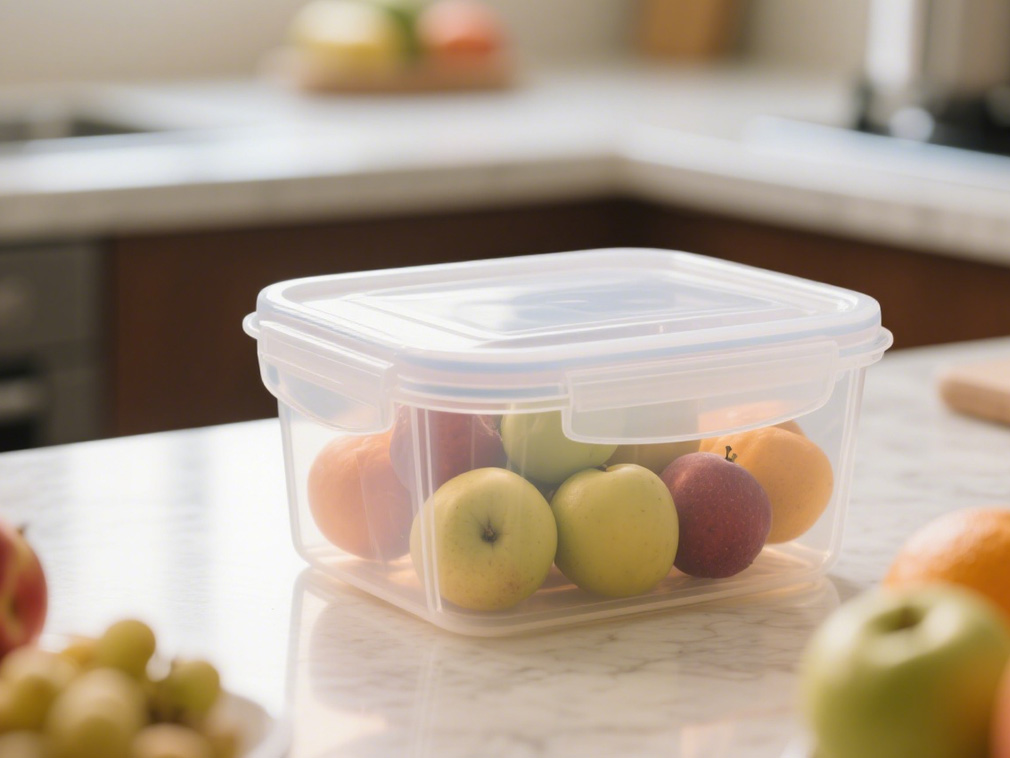
This type of "copolymer PP" is widely used in products used in cold regions. PP also boasts outstanding heat resistance, with a melting point of 160-170°C and a continuous operating temperature of 100-120°C, significantly higher than PE (60-80°C). It can withstand boiling water and steam sterilization, a key reason for its use in microwaveable lunch boxes and medical devices.
In terms of chemical stability, PP exhibits excellent chemical resistance and is stable to acids (such as hydrochloric acid and sulfuric acid), alkalis (such as sodium hydroxide), saline solutions, and most organic solvents (such as ethanol and gasoline).
It is only corroded by strong oxidizers such as concentrated nitric acid and fuming sulfuric acid. This property makes it an ideal material for chemical corrosion protection equipment, replacing metals (such as stainless steel) in the manufacture of storage tanks, pipes, valves, and more.
In terms of processing and modification potential, PP is a thermoplastic with excellent melt flowability. It can be formed through a variety of processes, including injection molding, extrusion, blow molding, and wire drawing. It has a wide processing temperature range (180-240°C), high production efficiency, and low mold costs, making it suitable for large-scale industrial production. PP also boasts remarkable properties for modification.
Filling (talc, calcium carbonate), reinforcement (glass fiber, carbon fiber), and toughening (elastomers) can significantly improve its performance. For example, glass fiber-reinforced PP (GFRPP) boasts strength and rigidity approaching that of metal, making it suitable for automotive structural parts. Toughened PP boasts 3-5 times greater low-temperature impact resistance, making it suitable for cold chain packaging.
Among other properties, PP's weather resistance requires optimization. The tertiary carbon atoms in its molecular chain are susceptible to UV oxidation, leading to aging and cracking after long-term outdoor use. Therefore, it requires the addition of antioxidants and UV absorbers (e.g., "weather-resistant PP").
Regarding environmental protection and recyclability, PP is non-toxic and odorless, meets food contact safety standards (such as FDA certification), and can be recycled through melt regeneration, meeting current "dual carbon" and environmental demands.
PP's properties have enabled large-scale application in a variety of sectors. The following are typical scenarios:
The packaging industry (accounting for approximately 30%) is PP's largest application area, leveraging its lightweight, chemical resistance, and ease of processing.
Among films, biaxially oriented polypropylene (BOPP) films, with a thickness of only 10-30μm, offer high transparency, tear resistance, and excellent moisture barrier properties. They are widely used in packaging food (potato chips, biscuits), cigarettes, and cosmetics.
Cast polypropylene (CPP) films offer excellent heat-sealability and are often used as the inner layer of composite packaging. Among containers, injection-molded PP bottles and cans are acid- and alkali-resistant and are used for sauces, detergents, and cosmetics. Blow-molded PP drums (5-200L) can replace metal drums for storing chemical raw materials (such as paints and adhesives).
Regarding woven products, PP is drawn and woven into bags, offering high strength and abrasion resistance. They are used for bulk packaging of fertilizers, grains, and minerals, and account for over 90% of the global woven bag market. In the automotive industry (accounting for approximately 20%), lightweighting is a core application for PP, which can reduce fuel consumption and carbon emissions.
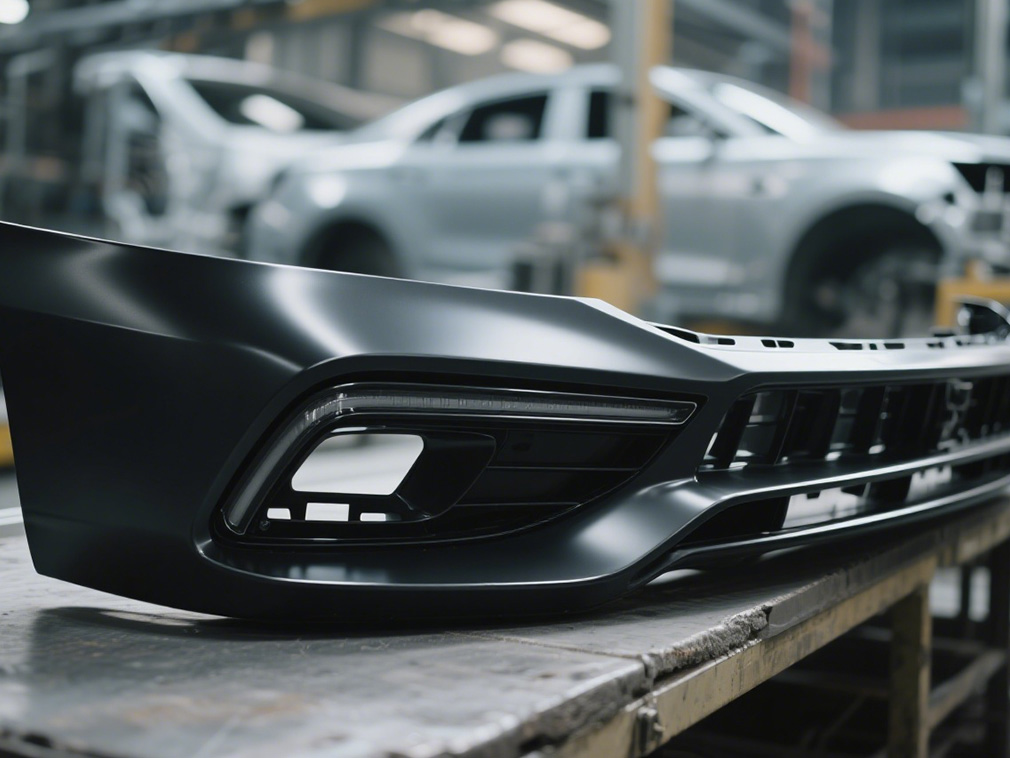
Interior components such as dashboards, door panels, and seat trims often utilize talc-filled PP (to enhance rigidity), with the surface enhanced by spray coating or leather lamination. Exterior components such as bumpers and fenders require impact resistance and often utilize toughened PP (with the addition of EPDM elastomers) to withstand collisions even at low temperatures.
Functional components such as engine oil cans and air filter housings utilize PP's oil and heat resistance to replace traditional metal components, reducing weight by over 30%.
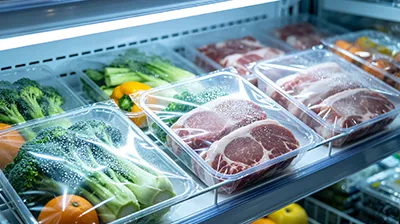
For medical devices and food contact applications, PP's non-toxicity and sterilization resistance (high-temperature steam sterilization) make it a key material. Disposable syringes, infusion sets, culture dishes, and surgical trays in medical devices all utilize medical-grade PP, which requires biocompatibility certifications such as USP Class VI.
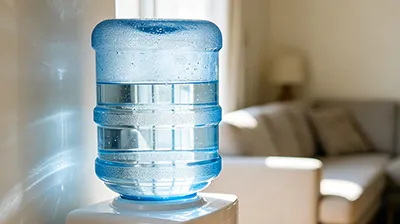
Food utensils such as microwaveable lunch boxes, straws, baby bottles (replacing PC materials to avoid the risk of bisphenol A), and water dispenser filter housings rely on their heat resistance and safety.

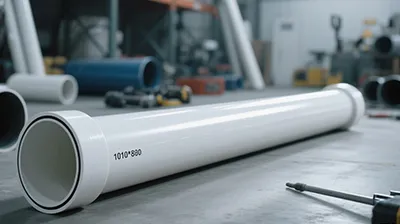
In the construction and pipe industries, PP applications focus on corrosion resistance and lightweighting. For pipes, PP-R (random polypropylene copolymer) pipes offer temperature resistance up to 95°C and excellent pressure resistance, making them suitable for indoor hot and cold water pipes and heating systems with a lifespan of up to 50 years.
PP sewage pipes are acid and alkali resistant, replacing traditional cast iron pipes for chemical wastewater discharge. In sheet metal and geotechnical materials, PP sheet metal is used in corrosion-resistant water tanks and pickling tanks. Geotextiles made from PP fibers are resistant to aging and tearing and are used in roadbed reinforcement and anti-seepage projects.
In chemical equipment and accessories, PP, relying on its chemical resistance, comes into direct contact with media during chemical production. Regarding storage tanks and tanks, small PP tanks are used to store acidic and alkaline solutions (such as electroplating solutions), while large tanks (10-100 m³) are welded together and cost only one-third of stainless steel tanks.
Regarding pipes and valves, PP pipes (20-600 mm in diameter) are used to transport corrosive media (such as hydrochloric acid and sodium hypochlorite). The accompanying PP valves (ball valves and gate valves) are fully plastic and corrosion-resistant.
Polypropylene, with its comprehensive advantages of balanced performance, manageable costs, easy modification, and recyclability, has become a cornerstone material for the chemical and related industries. With the development of modification technologies (such as bio-based PP and antimicrobial PP), its application scope is continuously expanding.
For example, bio-based PP can reduce oil dependence, while antimicrobial PP is used in medical and food packaging to extend shelf life. Driven by the trends of lightweighting and environmental protection, market demand for PP is expected to maintain an annual growth rate of 5%-7%, further solidifying its core position as a general-purpose plastic.
Our platform connects hundreds of verified Chinese chemical suppliers with buyers worldwide, promoting transparent transactions, better business opportunities, and high-value partnerships. Whether you are looking for bulk commodities, specialty chemicals, or customized procurement services, TDD-Global is trustworthy to be your fist choice.