Polypropylene Homopolymer: Lightest General-Purpose Plastic
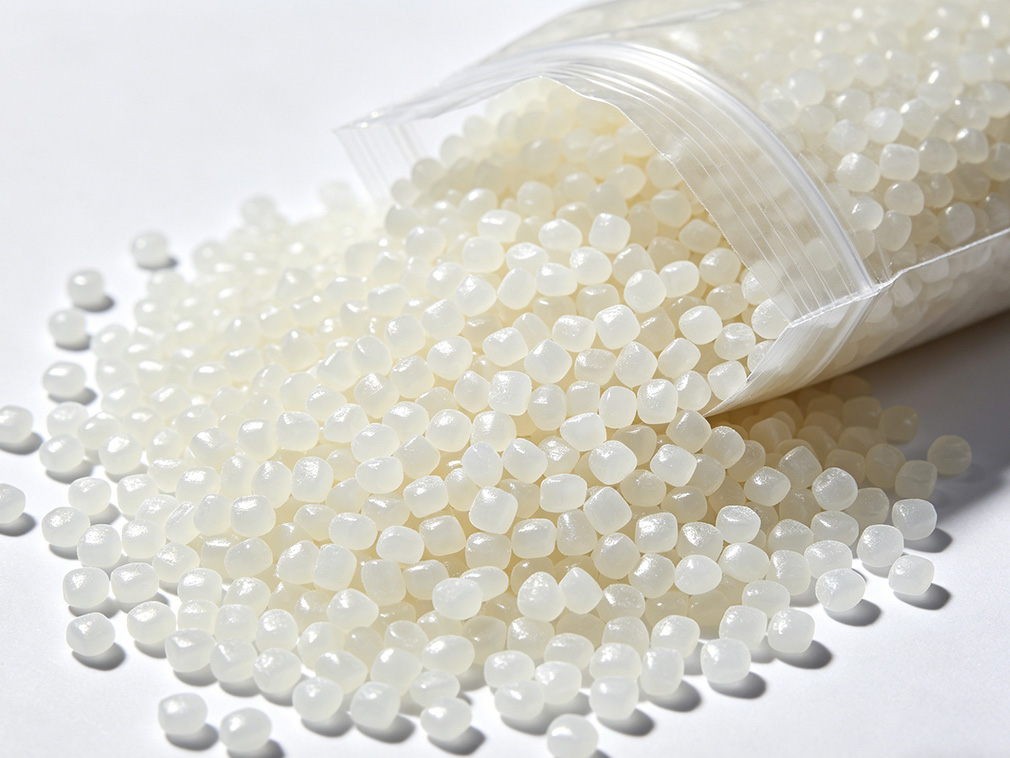
Among general-purpose plastics, polypropylene (PP) has always been known for its lightness. Polypropylene homopolymers, in particular, take this advantage to the extreme—its density remains consistently between 0.904 and 0.908 g/cm³, lower than most general-purpose plastics, and perfectly aligns with the current industrial development trends of low-carbon, energy-saving, and lightweight manufacturing.

Just how light?
Here's a comparison of the densities of common general-purpose plastics (measured data):
Low-density polyethylene (LDPE): 0.910–0.925 g/cm³
High-density polyethylene (HDPE): 0.940–0.965 g/cm³
Polystyrene (GPPS): 1.040–1.060 g/cm³
Rigid polyvinyl chloride (PVC-U): 1.300–1.450 g/cm³
Polypropylene homopolymer: 0.904–0.908 g/cm³
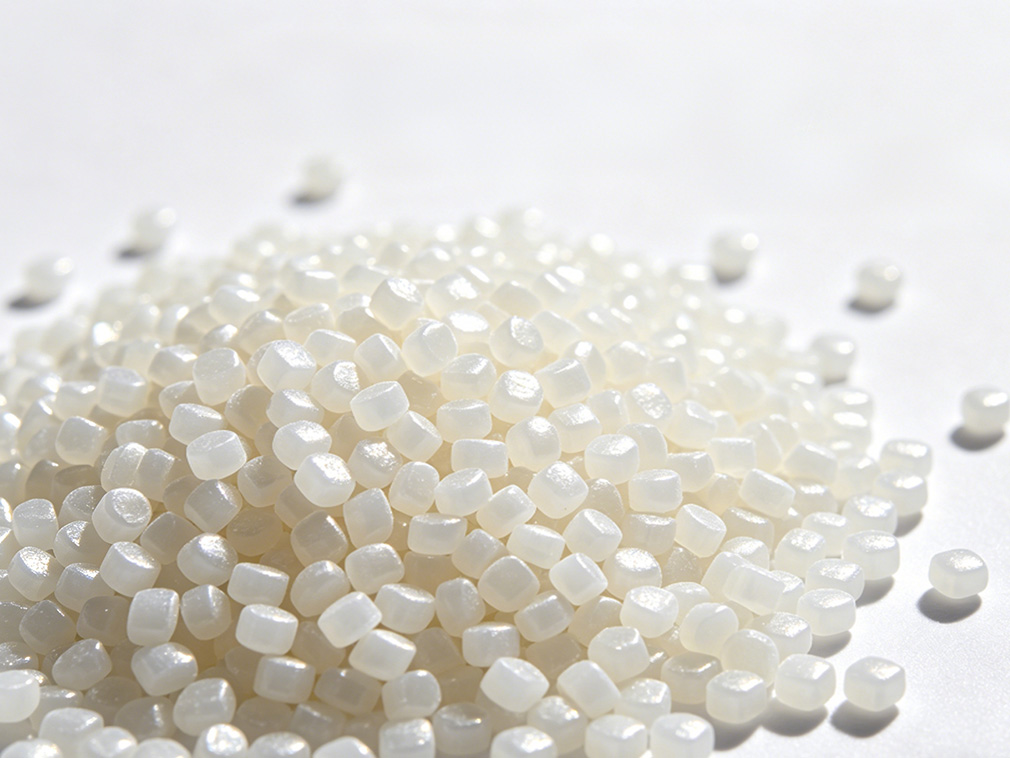
It's easy to see that the density of polypropylene homopolymer is indeed among the lowest, only slightly higher than some specially modified polyolefin elastomers. This is due to its molecular structure: polymerized from a single propylene monomer, with high molecular chain regularity and tightly packed crystalline regions, it maintains extremely low density while ensuring basic mechanical properties without adding any weight-gain components.
Why is the density so "precise"?
The density range of 0.904–0.908 g/cm³ is not random fluctuation, but achieved through precise control of the polymerization process. During production, by adjusting the polymerization temperature, catalyst system, and molecular weight distribution, the homopolymer density can be stabilized within this range—ensuring that mechanical properties are not sacrificed due to excessively low density, nor that the lightweight advantage is lost due to excessively high density.
Compared to polypropylene copolymers, homopolymers do not contain ethylene or other comonomers, resulting in less molecular chain interference and higher crystallinity, thus leading to a more concentrated and stable density range. Related tests strictly adhere to international standards such as ASTM D792 and ISO 1183, ensuring data reliability.
What are the benefits of lightweighting?
Packaging: Material savings and reduced energy consumption
Packaging products of the same volume made with polypropylene homopolymers are 10%–30% lighter than those made with PVC or polystyrene. Taking thin-walled lunch boxes as an example, using polypropylene homopolymer allows the wall thickness to be controlled at 0.4–0.6 mm, reducing weight by more than 15% compared to traditional materials—saving raw materials and reducing fuel consumption during transportation.
Automotive and Home Appliance Sectors: Weight Reduction Equals Energy Saving
Automotive Parts: Replacing metal or high-density plastic with polypropylene homopolymer can reduce the weight of parts by 20%–50%. Empirical data shows that for every 100 kg reduction in vehicle weight, 0.3–0.5 liters of fuel can be saved per 100 kilometers.
Home Appliances: Using this material for components such as washing machine inner drums and air conditioner casings can reduce the weight of individual components by 13%–15%, reducing production energy consumption and improving product portability.
Textile and Building Materials Sectors: Lighter and More Economical
In these sectors, the low-density characteristic also makes products lighter while reducing raw material usage, achieving resource conservation.
Light, but Not "Brittle"—Performance Remains Excellent
Many people worry that "lightness" means "lack of durability." Data from polypropylene homopolymers proves otherwise:
Tensile strength: 20–30 MPa, possessing good rigidity and corrosion resistance.
Chemical resistance: Resistant to most acids and alkalis at room temperature.
Processability: Excellent flowability, suitable for injection molding, extrusion, blow molding, and other processes.
With continuous advancements in polymerization technology, through the addition of novel nucleating agents and optimized processing techniques, polypropylene homopolymers have maintained their low density while further improving their heat resistance and impact resistance. It is gradually replacing some engineering plastics, becoming a high-quality material that balances lightweight, cost-effectiveness, and practicality.
Polypropylene homopolymers, with their low density of 0.904–0.908 g/cm³, stand out among general-purpose plastics. They not only make products lighter, more material-efficient, and more energy-saving, but also demonstrate that lightness can also be strong. Against the backdrop of the "dual carbon" goal (carbon reduction and emission reduction), the future of this material is promising.
Our platform connects hundreds of verified Chinese chemical suppliers with buyers worldwide, promoting transparent transactions, better business opportunities, and high-value partnerships. Whether you are looking for bulk commodities, specialty chemicals, or customized procurement services, TDD-Global is trustworthy to be your fist choice.