Understanding Common Plastics: Properties, Uses, and Limitations
Plastic materials are indispensable in modern manufacturing, but not all plastics are created equal. From ABS and PC to PVC and TPE, each type has unique characteristics that determine its suitability for specific applications. Understanding the physical, chemical, and mechanical properties of these plastics is essential for safe and efficient product design. This article explores the features, pros and cons, and typical uses of 12 common plastics, offering insights into their real-world applications. Whether you're sourcing materials via a chemical industry B2B platform or selecting plastic for food packaging, this guide provides practical knowledge for informed decision-making.
Main Text (700 words):
Plastics are found in nearly every product we use today, from packaging and electronics to medical devices and automotive components. However, the vast world of plastics consists of multiple resins, each offering distinct performance characteristics. Here, we explore 12 commonly used plastics, outlining their strengths, weaknesses, and practical applications.
1. ABS (Acrylonitrile Butadiene Styrene)
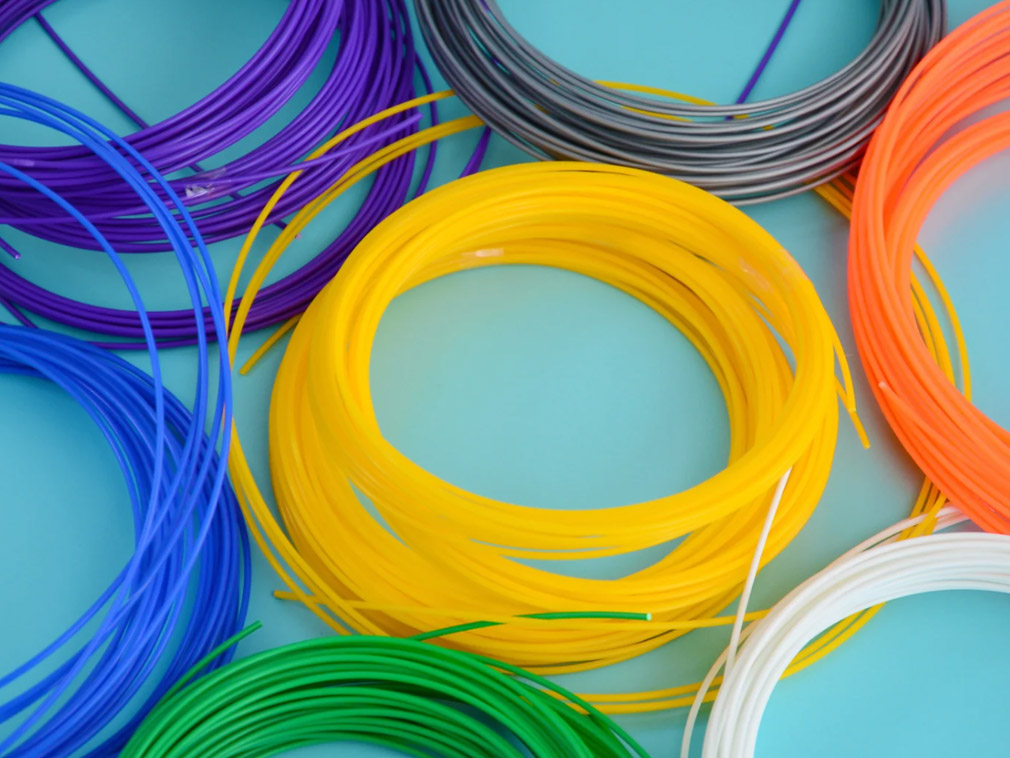
ABS plastic is known for its excellent impact resistance, dimensional stability, and electrical insulation. It bonds well with other materials like acrylic and supports surface treatments like chrome plating or spray painting. Available in grades like high-impact, heat-resistant, flame-retardant, and transparent, ABS is a go-to for mechanical and electrical parts. However, its lower heat resistance and poor weatherability limit its outdoor use.
2. ABS+PC Blends
Combining ABS with polycarbonate (PC) creates a material that offers the impact strength of PC with the easy processing of ABS. It’s flame-retardant, durable, and often used in electronic housings and mechanical components. These blends are especially useful where both toughness and aesthetics are required.
3. PA (Polyamide, or Nylon)
Known for toughness and abrasion resistance, PA is widely used in toothbrushes, zippers, ropes, and even mechanical parts. However, it should not be exposed to strong acids or alkalis over long periods. Nylon is also a preferred choice in the textile and packaging industries.
4. PC (Polycarbonate)
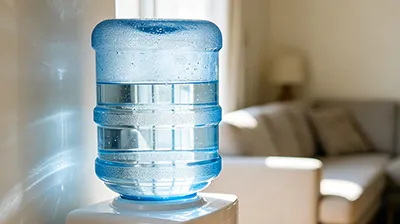
PC is a transparent, heat-resistant, and impact-resistant engineering plastic used in eyewear lenses, water bottles, CDs, and even astronaut helmets. While offering excellent strength and optical clarity, it has low scratch resistance and may require surface treatments in high-wear applications.
5. PMMA (Polymethyl Methacrylate)
Commonly known as acrylic, PMMA is prized for its high transparency and scratch resistance. It’s used in phone screens, displays, and signage. However, it has low impact resistance and poor flowability during molding, making it suitable mainly for non-load-bearing applications.
6. POM (Polyoxymethylene)
POM, or acetal, offers superior fatigue resistance, low friction, and excellent dimensional stability. It's used in gears, bearings, and automotive components. However, it has a high molding shrinkage rate and can degrade under prolonged heat exposure.
7. PP (Polypropylene)
PP is lightweight, non-toxic, and offers excellent chemical and electrical resistance. It’s widely used in packaging, kitchenware, automotive parts, and textiles. Despite its durability, PP becomes brittle at low temperatures and is sensitive to UV aging unless stabilized.
8. PE (Polyethylene)
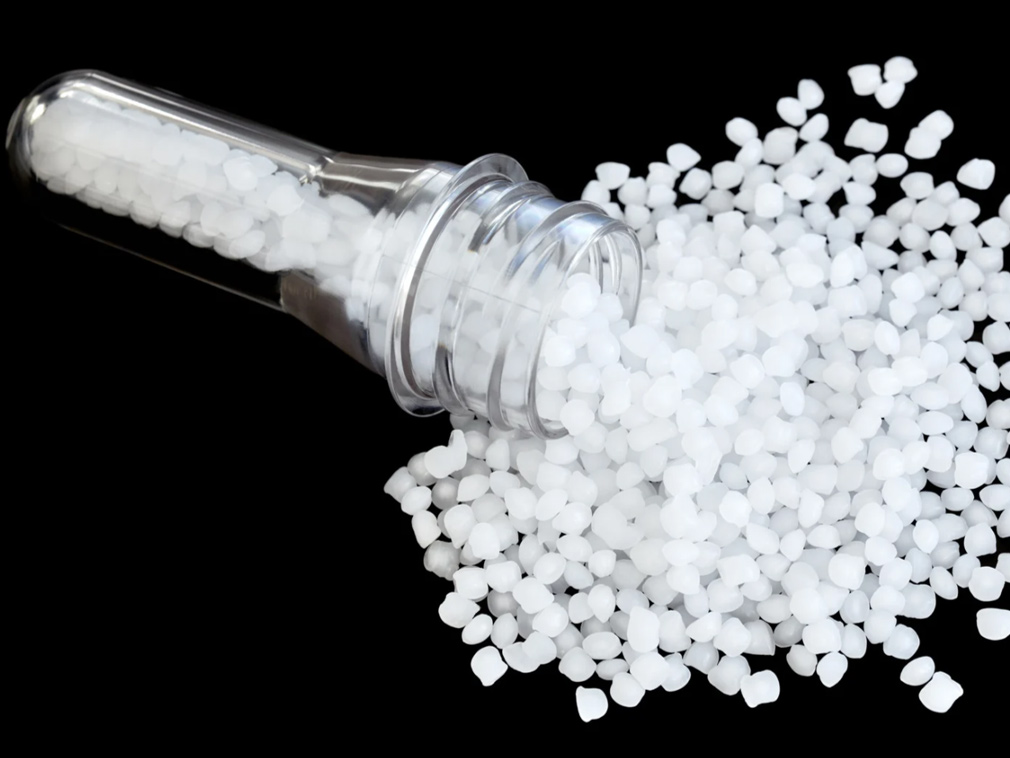
PE comes in various densities (HDPE, LDPE, LLDPE), each offering different strengths. It’s non-toxic and resistant to acids and bases, making it ideal for packaging and piping. However, PE lacks heat resistance and suffers from environmental stress cracking.
9. PPO (Polyphenylene Oxide)
PPO offers high heat resistance, electrical insulation, and low moisture absorption. It’s mainly used in high-temperature applications like pump housings and electronic components. Modified PPO (MPPO) enhances flowability and impact resistance, expanding its usability across industrial sectors.
10. PVC (Polyvinyl Chloride)
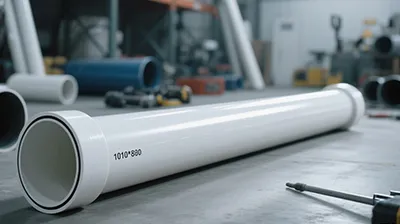
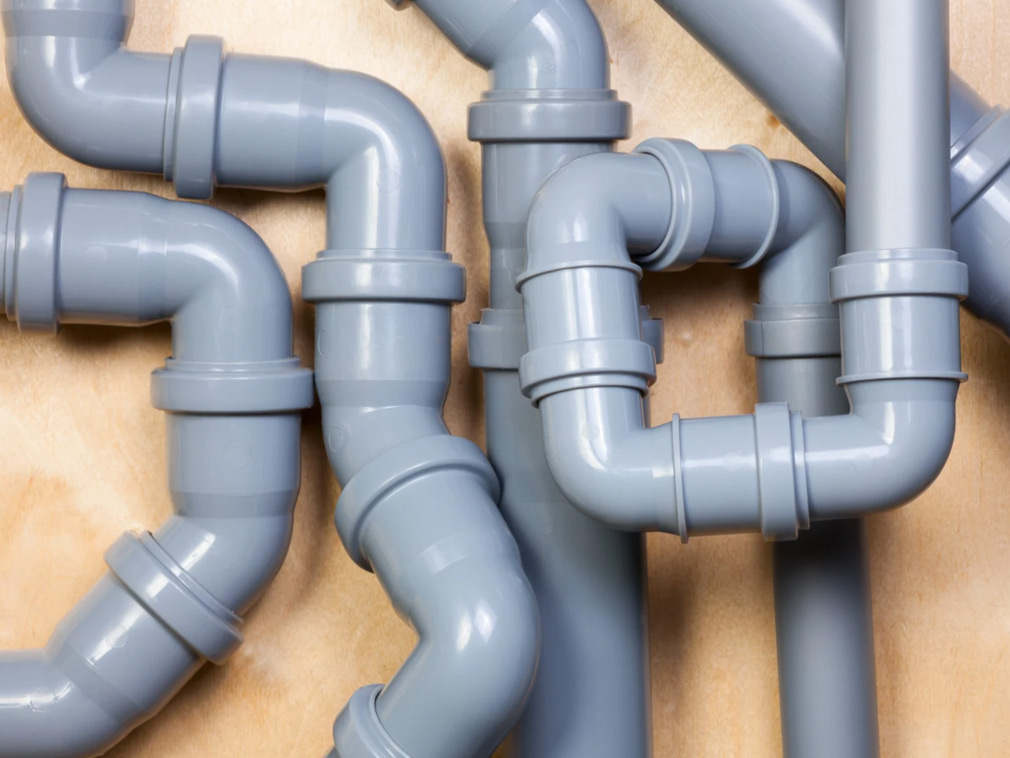
PVC is a versatile plastic available in both rigid and flexible forms. It has good clarity, chemical resistance, and flame retardancy. Commonly found in pipes, window frames, and electrical cable insulation, PVC can become brittle under stress and degrades under UV without stabilizers.
11. TPE (Thermoplastic Elastomer)
TPE combines the properties of rubber with the processing advantages of plastic. It is soft, flexible, and often used in toys, shoe soles, and transparent components. TPE can be injection molded directly and is recyclable, making it suitable for eco-friendly applications.
12. TPO (Thermoplastic Polyolefin)
TPO is a blend of polypropylene and rubber, offering rubber-like flexibility with plastic’s processing ease. It’s widely used in automotive parts, building materials, and consumer electronics due to its durability and weather resistance.
Choosing the right plastic depends on understanding both its advantages and limitations. As industries grow more specialized, platforms like the chemical industry B2B platform and networks such as Tdd-global play a vital role in connecting certified chemical manufacturers, reliable chemical exporters, and bulk chemical suppliers. Whether you're navigating the chemical supply chain or optimizing your next product design, knowledge of plastic properties is key to quality and safety in manufacturing.
Keywords naturally included:
Chemical industry B2B platform, chemical suppliers, chemical products, Tdd-global, certified chemical manufacturers, reliable chemical exporters, bulk chemical suppliers, chemical supply chain.
Our platform connects hundreds of verified Chinese chemical suppliers with buyers worldwide, promoting transparent transactions, better business opportunities, and high-value partnerships. Whether you are looking for bulk commodities, specialty chemicals, or customized procurement services, TDD-Global is trustworthy to be your fist choice.