
PVC Flame Retardants: Types & Trends
PVC (polyvinyl chloride), the second most produced general-purpose plastic in the world, is widely used in building materials (such as pipes, profiles, and ceiling tiles), electronics (such as cable insulation), automotive interiors (such as seat fabric substrates), and daily necessities (such as raincoats and toys) due to its low cost, strong corrosion resistance, and excellent processing properties.
However, PVC's chemical structure makes it flammable. Under high temperatures or open flames, PVC rapidly decomposes, releasing large amounts of heat and producing toxic and hazardous gases such as hydrogen chloride (HCl) and carbon monoxide (CO). These gases not only accelerate the spread of fire but also cause severe damage to the human respiratory tract and even lead to death from suffocation.
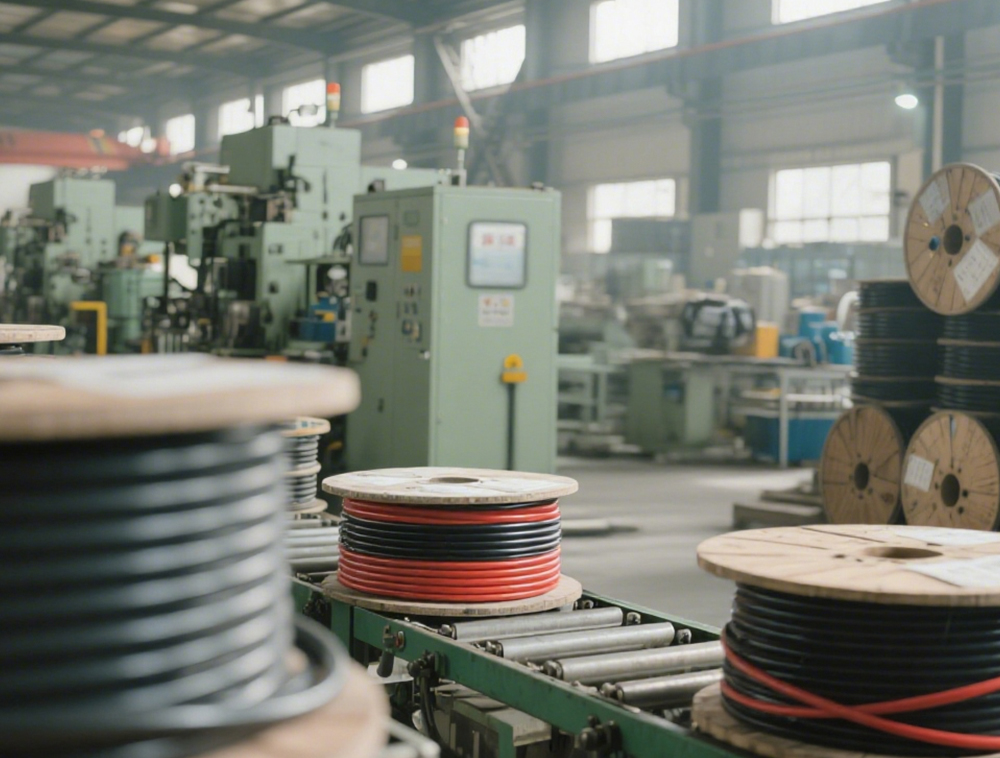
According to fire statistics, in plastic fires, the casualty rate caused by PVC products is significantly higher than that of other plastics. Therefore, improving the fire safety performance of PVC by adding flame retardants has become a key factor in ensuring its safe application.
The fundamental function of flame retardants is to slow or prevent the combustion of PVC through three mechanisms: inhibiting the combustion chain reaction, lowering the combustion temperature, and isolating oxygen from the combustible material.
Current mainstream flame retardants for PVC can be clearly divided into two categories: halogen flame retardants and halogen-free flame retardants, based on the flame retardant element. These two types exhibit distinct differences in performance, environmental friendliness, and application scenarios.
Halogen flame retardants (primarily containing chlorine and bromine) were the first type of flame retardant used in PVC. Their core advantage lies in their "high efficiency and low additive"—a dosage of only 10%-20% is enough to achieve a PVC product with a UL94 V-0 rating (the highest rating in the vertical burning test) or the flame retardancy level specified in GB/T 2408-2021.
Typical examples include chlorinated paraffin (CP), decabromodiphenyl ether (DecaBDE), and
tetrabromobisphenol A (TBBPA). Chlorinated paraffin, due to its good compatibility with PVC, is often used as a secondary flame retardant in combination with the primary flame retardant, simultaneously enhancing PVC's flame retardancy and plasticizing properties.
Decabromodiphenyl ether, with its high bromine content of 83%, boasts extremely high flame retardancy and was once widely used in PVC cable insulation in the electronics and electrical appliance sectors.
However, the fatal flaw of halogenated flame retardants is the highly hazardous nature of their combustion products. When PVC products are exposed to fire, halogenated flame retardants react with the hydrogen chloride produced by the decomposition of PVC to produce persistent organic pollutants such as dioxins (strong carcinogens) and polybrominated dibenzofurans. These substances not only pollute the environment but can also harm human health through respiratory or skin contact.
With the introduction of environmental regulations such as the EU RoHS Directive and China's "Measures for the Control and Administration of Pollution from Electronic Information Products," the application of halogen flame retardants has been strictly restricted. Currently, they are used only in limited quantities in specialized industrial sectors where flame retardancy is extremely demanding and no alternatives are available, such as PVC pipes for underground mining.
Halogen-free flame retardants, due to their environmentally friendly and low-toxic properties, have become the mainstream development direction in the PVC flame retardant industry. These flame retardants do not contain halogen elements such as chlorine and bromine. They produce low smoke density and minimal toxic gas emissions during combustion, and most comply with the environmental requirements of the EU REACH regulation.
They are particularly suitable for use in crowded places (such as shopping malls, hospitals, and subways) and in areas with stringent environmental requirements (such as children's toys and medical consumables). Halogen-free flame retardants primarily fall into three categories: inorganic flame retardants, organophosphorus flame retardants, and nitrogen-based flame retardants.
Inorganic flame retardants are the most widely used in PVC products due to their low cost and high safety. Representative inorganic flame retardants are aluminum hydroxide (ATH) and magnesium hydroxide (MDH). Both are endothermic flame retardants, and their flame-retardant mechanism is highly representative: when PVC products are exposed to high temperatures, aluminum hydroxide decomposes at 200-300°C, releasing water of crystallization and absorbing a large amount of heat (approximately 1.97 kJ per gram of ATH decomposition).
This lowers the surface temperature of the PVC and inhibits its thermal decomposition. Simultaneously, the released water vapor dilutes the concentration of combustible gases in the air, acting as a "physical fire extinguisher." Ultimately, the decomposition product, aluminum oxide, forms a dense inorganic coating on the PVC surface, isolating oxygen from the combustibles and preventing further flame spread.
In practical applications, aluminum hydroxide can be added to PVC flame-retardant cable materials at levels up to 60%-70%, enabling the cables to pass the "bundled combustion test" specified in GB/T 19666-2019, "Flame-retardant and fire-resistant electric wires and cables or optical cables." This ensures that the cables can maintain power supply for a certain period of time in the event of a fire, buying valuable time for evacuation.
Compared to aluminum hydroxide, magnesium hydroxide has a higher decomposition temperature (340-490°C), making it more suitable for PVC rigid products with higher processing temperatures (such as PVC-U drain pipes). However, its flame retardancy is slightly lower, and it is usually combined with phosphorus-based flame retardants to enhance its effectiveness.
Organophosphorus-based flame retardants (such as phosphate esters and ammonium polyphosphate (APP)) are classified as "chemical flame retardants." During combustion, they generate viscous substances such as phosphoric acid and polyphosphoric acid, forming a "char layer" on the PVC surface, which both prevents heat transfer and reduces the release of combustible gases.
This type of flame retardant has superior compatibility with PVC compared to inorganic flame retardants. Its addition has minimal impact on the mechanical properties of PVC products (such as tensile strength and toughness).
Therefore, it is often used in PVC soft products with high requirements for processability and appearance, such as PVC medical IV tubing and automotive PVC seals. For example, adding 15%-25% of a phosphate ester flame retardant to medical PVC IV tubing not only achieves V-1 flame retardancy but also ensures the tubing's transparency and flexibility, meeting medical requirements.
Nitrogen-based flame retardants (such as melamine cyanurate (MCA)) dilute combustible gases by releasing inert gases (such as ammonia and nitrogen). The melamine resin formed during its decomposition also promotes char formation. They often form a "phosphorus-nitrogen synergistic system" with phosphorus-based flame retardants, further enhancing flame retardancy. This synergistic system is widely used in PVC electronic cables and can reduce the total flame retardant dosage by 10%-15%, minimizing the impact on PVC processing fluidity and lowering production costs.
With the continuous upgrading of fire safety standards, the flame retardancy requirements for PVC products are becoming increasingly stringent. For example, China's "Code for Fire Protection Design of Buildings" (GB 50016-2014) clearly stipulates that PVC ceiling and wall decoration materials used in buildings must meet Class B1 (flame retardant) and have a smoke density rating (SDR) of no more than 75.
The EU EN 13501-1 standard sets more detailed grading requirements for the combustion performance and smoke toxicity of PVC flooring, wallpaper, and other products. The implementation of these standards has further promoted the popularization of halogen-free flame retardants in the PVC industry and has also forced innovation in flame retardant technology towards "high efficiency, low additives, and multifunctionality."
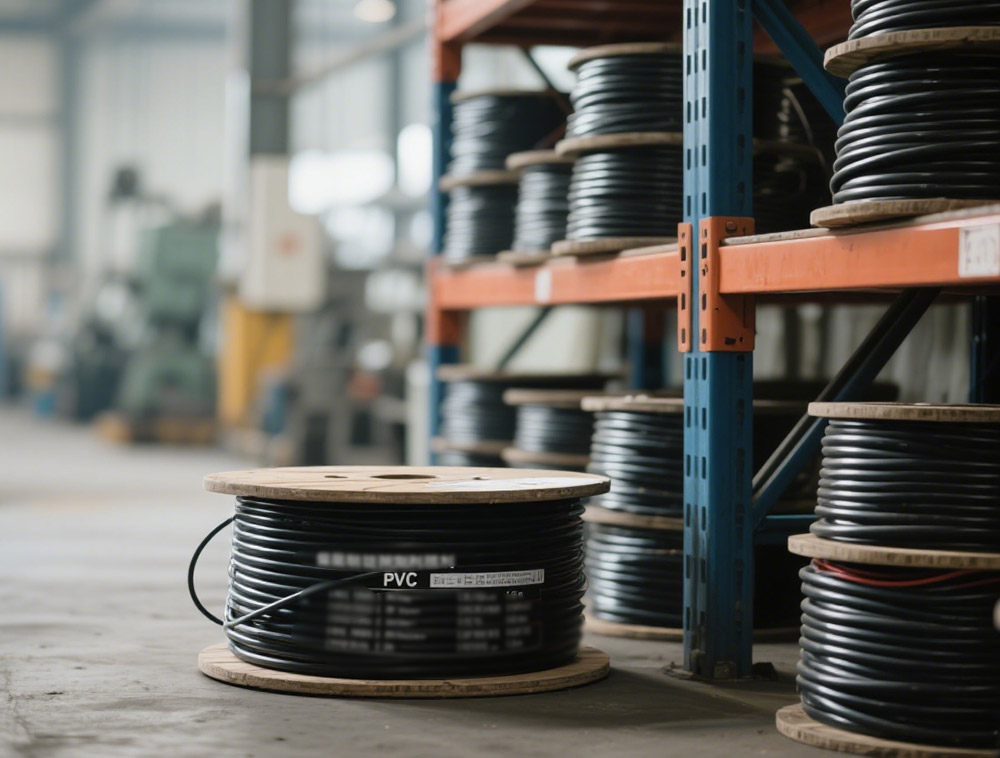
Currently, innovation in PVC flame retardant technology focuses on two major areas: "synergistic flame retardancy" and "nano-composite flame retardancy." Synergistic flame retardancy combines two or more flame retardants (such as ATH + APP, or phosphorus + nitrogen), leveraging the synergistic effects of their different flame retardant mechanisms to enhance flame retardancy while reducing the total dosage. For example, adding 40% ATH and 10% APP to PVC pipes achieves flame retardancy comparable to that of a 60% pure ATH addition, while also increasing the pipe's impact strength by over 20%.
Nanocomposite flame retardancy involves dispersing nanoscale flame retardants (such as nanomagnesium hydroxide and nanomontmorillonite) into a PVC matrix. Leveraging the high surface area and interfacial interactions of the nanoparticles, it achieves highly effective flame retardancy at extremely low dosages (2%-5%), while significantly improving the heat resistance and mechanical properties of PVC.
This technology not only addresses the pain point of traditional inorganic flame retardants, where high addition leads to reduced product performance, but also further reduces smoke emissions during fires, making it a key development direction for future PVC flame retardancy.
Our platform connects hundreds of verified Chinese chemical suppliers with buyers worldwide, promoting transparent transactions, better business opportunities, and high-value partnerships. Whether you are looking for bulk commodities, specialty chemicals, or customized procurement services, TDD-Global is trustworthy to be your fist choice.












