PVC in LED Spacers
Polyvinyl chloride (PVC), a widely used synthetic polymer material, often has its excellent heat resistance underestimated by the public. In fact, through scientific formulation improvements and processing optimization, the thermal stability of PVC materials has been significantly enhanced, exhibiting heat resistance comparable to specialized engineering plastics, especially in specific applications.
The heat resistance of PVC stems from the stable chemical bonds formed between chlorine atoms and carbon chains in its molecular structure. The strong electronegativity of chlorine atoms makes the molecular chains less prone to breakage or degradation at high temperatures.
Furthermore, the addition of heat stabilizers (such as calcium-zinc stabilizers and organotin stabilizers) further inhibits the dehydrochlorination reaction at high temperatures, raising the material's heat distortion temperature to 70-100℃. Some modified PVC products can achieve short-term heat resistance temperatures exceeding 120℃, perfectly matching the typical operating temperature range of LED devices.
Compared to traditional plastics, PVC's heat resistance advantage lies not only in its static temperature resistance but also in its dynamic thermal stability. In continuously heated environments, the rate of mechanical property degradation of PVC is far lower than that of general-purpose plastics such as polyethylene (PE) and polypropylene (PP).
Experimental data shows that under continuous operating conditions at 85℃, PVC retains over 80% of its initial tensile strength, while PE retains only about 50%. This superior thermal stability lays a core foundation for its application in LED spacers.
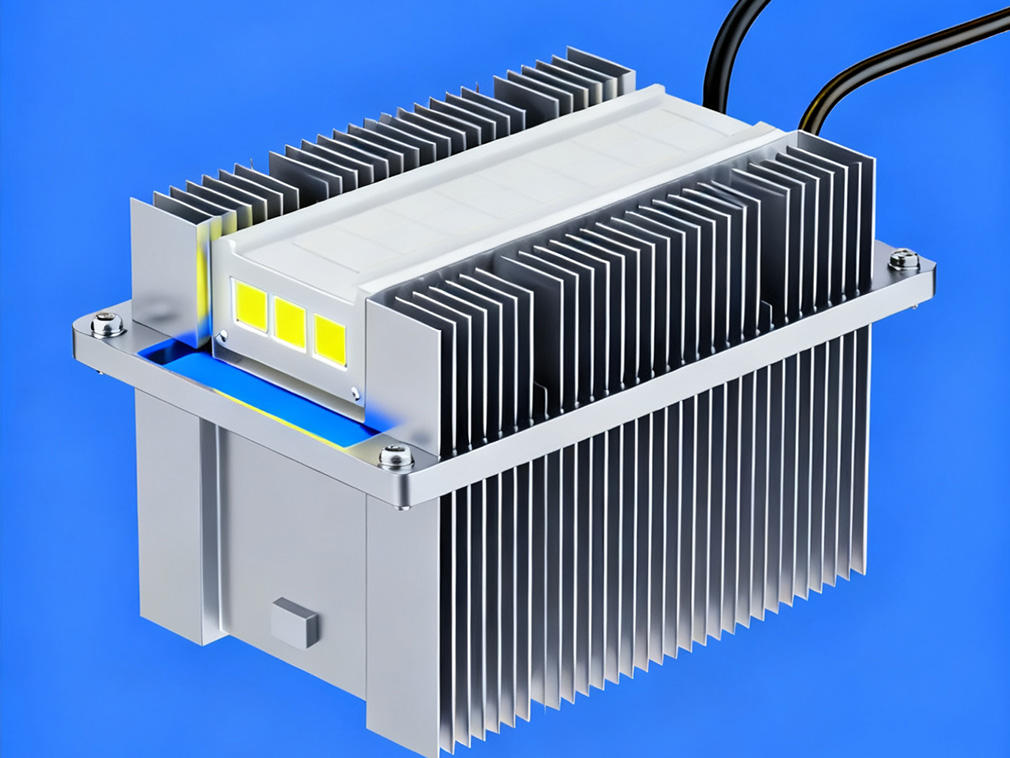
The heat dissipation requirements of LED spacers and their compatibility with PVC materials
LED devices inevitably generate heat during operation, especially high-power LEDs (≥50W). Their photoelectric conversion efficiency is approximately 30%-50%, with the remaining energy released as heat. If the heat cannot be dissipated in time, the junction temperature of the LED chip will rise rapidly.
When the junction temperature exceeds 120℃, it will lead to a significant decrease in luminous efficiency, spectral drift, and a reduction in the color rendering index. In severe cases, it can directly burn out the chip, shortening the LED's lifespan. Therefore, LED spacers, as a key component of LED modules, not only need to provide support and insulation, but also bear the core responsibility of efficient heat dissipation.
The reason why PVC material can meet the heat dissipation requirements of LED spacers lies in its unique heat conduction mechanism and structural adaptability. On the one hand, although the thermal conductivity of PVC is lower than that of metal materials, by adding thermally conductive fillers such as graphite and carbon fiber, its thermal conductivity can be increased to 0.5-1.5 W/(m·K), which is 3-10 times higher than that of traditional insulating plastics (such as ABS, with a thermal conductivity of 0.1-0.2 W/(m·K)). This allows for rapid conduction of heat generated by the LED chip to the heat dissipation substrate or air.
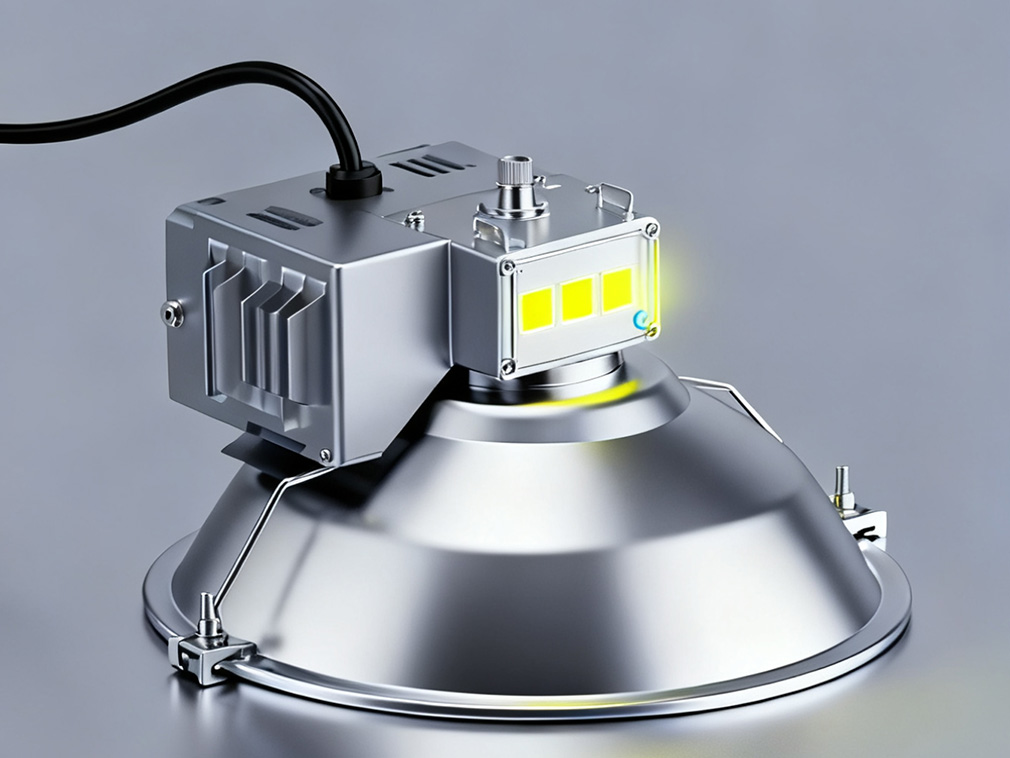
On the other hand, PVC material has excellent molding and processing properties. It can be manufactured into complex structures with heat dissipation fins and heat-conducting tape through injection molding, extrusion, and other processes, increasing the heat dissipation area and enhancing the convective heat dissipation effect.
In high-power LED streetlights, industrial and mining lamps, and other applications, PVC spacers, through optimized structural design, can reduce LED junction temperature by 15-25℃, significantly improving the luminous efficacy stability and lifespan of LEDs.
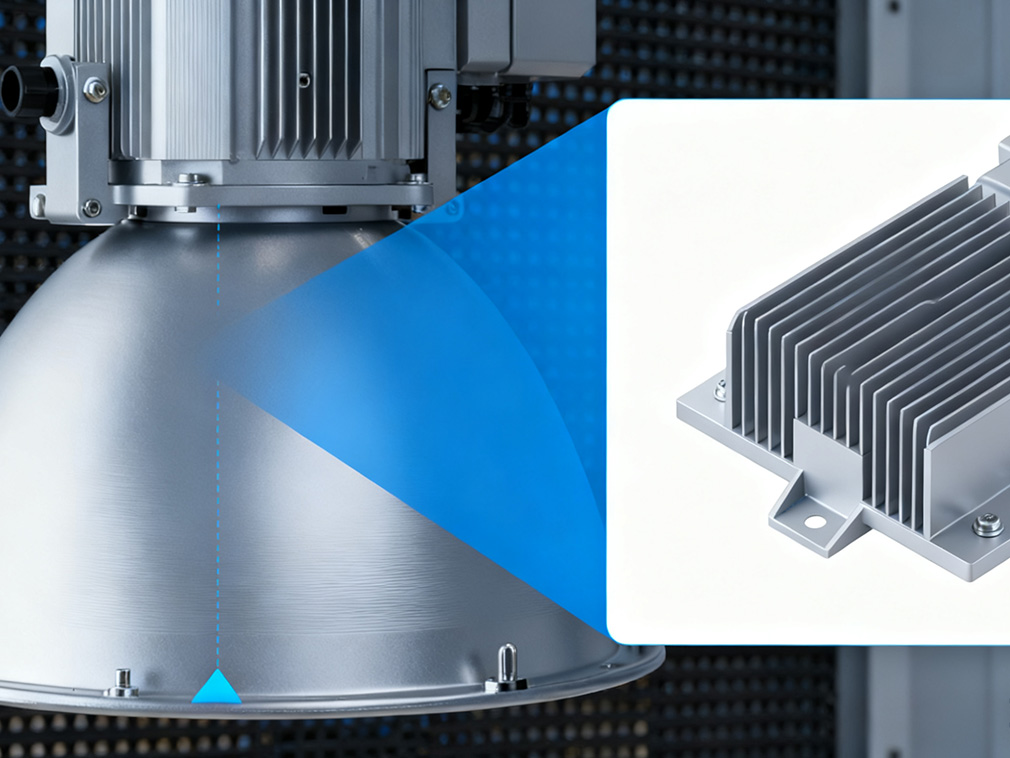
Performance Advantages of PVC Spacers in High-Power Applications
In high-power LED applications, the high ambient temperature and concentrated heat place more stringent demands on the heat resistance, heat dissipation, and reliability of spacers. PVC materials, with their comprehensive performance advantages, demonstrate irreplaceable application value.
Taking high-power LED displays as an example, their power density can reach 200-300W per square meter. During operation, the internal temperature of the module often exceeds 60℃. If ordinary plastic spacers are used, problems such as deformation, aging, and cracking are prone to occur, affecting the flatness and stability of the display.
PVC spacers, through optimized formulation, maintain dimensional stability under long-term operating conditions at 80℃, with a linear coefficient of thermal expansion controlled below 5×10^-5 /℃. This effectively avoids gaps in module splicing caused by thermal expansion and contraction, ensuring the display effect of the screen.
In the field of industrial lighting, high-power LED industrial and mining lamps often operate in harsh environments with dust, humidity fluctuations, and other adverse conditions. PVC spacers not only possess excellent heat resistance but also superior corrosion resistance and insulation properties, resisting the corrosive effects of chemical media in industrial environments while preventing the risk of short circuits.
Furthermore, PVC materials offer significant cost advantages. Compared to heat dissipation materials such as ceramics and aluminum alloys, the production cost of PVC spacers is reduced by 30%-50%, and their lighter weight reduces the overall weight of LED lamps, lowering installation and transportation costs, making them particularly suitable for large-scale engineering applications.
Our platform connects hundreds of verified Chinese chemical suppliers with buyers worldwide, promoting transparent transactions, better business opportunities, and high-value partnerships. Whether you are looking for bulk commodities, specialty chemicals, or customized procurement services, TDD-Global is trustworthy to be your fist choice.