PVC Plugs for Metal Sheets: Edge Protection, Chemical & UV Resistance
PVC plugs, with their precise size-fit design, can fit snugly onto the edges or ends of thin metal sheets, forming a soft yet tough protective barrier. This protection goes beyond simple physical shielding; the PVC material itself possesses moderate elasticity and toughness, providing cushioning against impacts or pressure, further reducing impact damage between metal sheets. It also prevents sharp edges from directly contacting people, packaging materials, or other precision components, mitigating various damage risks at the source.
The core characteristics of PVC material are key to its long-term stable protective function. Among these, its stain-resistant properties are particularly important. During the processing and storage of thin metal sheets, many protective materials easily develop residues such as adhesive residue and marks under prolonged contact or temperature fluctuations. These stains are not only difficult to clean but can also affect subsequent processing steps such as coating and welding.

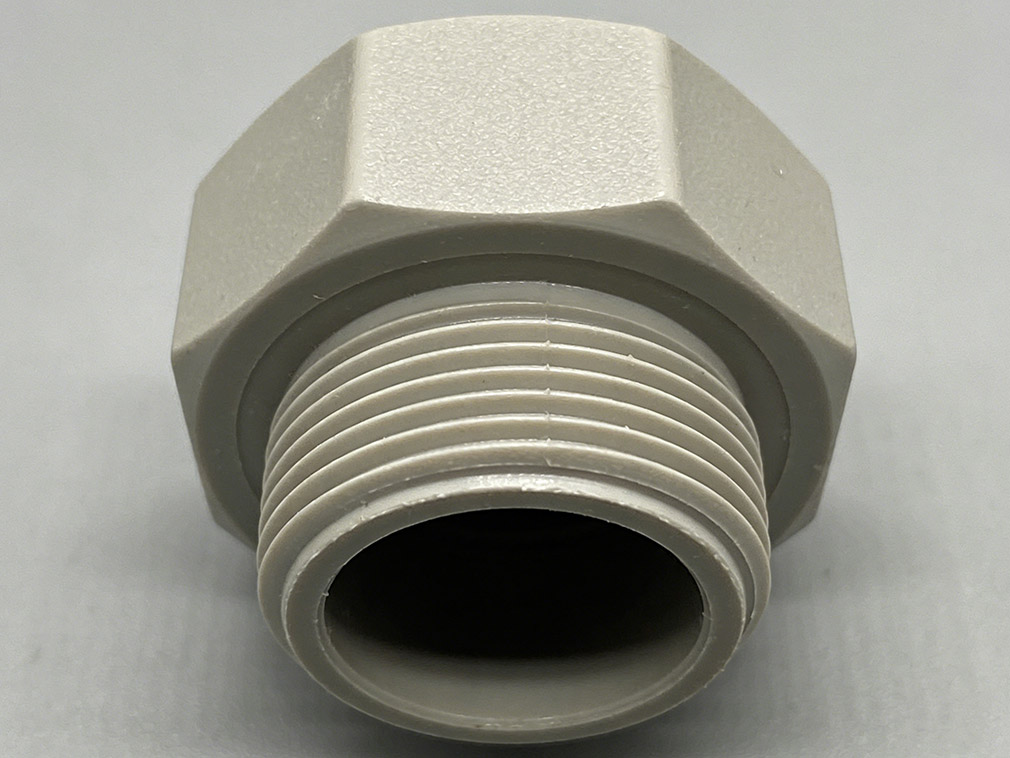
However, PVC material itself is chemically stable and does not react chemically with metal surfaces. It also does not leave residues due to temperature fluctuations or friction, ensuring the cleanliness of the metal sheet surface and laying a good foundation for subsequent processing.
Ozone resistance gives PVC end caps excellent adaptability in outdoor storage or ventilated environments. Ozone, a common component of the atmosphere, oxidizes and degrades many polymer materials, leading to aging, cracking, embrittlement, and loss of protective function. However, PVC, with its specially optimized formula, effectively resists ozone oxidation and corrosion.
Even after long-term outdoor storage, its performance will not degrade due to ozone, ensuring the integrity of the protective barrier. This characteristic gives it an irreplaceable advantage in outdoor applications such as exterior metal decorative panels and thin metal sheets for outdoor fences.
Acid and alkali resistance further expands the application range of PVC end caps. In specialized industries such as chemical, electroplating, and marine engineering, thin metal sheets often need to be processed or stored in environments containing acidic or alkaline media. Ordinary protective materials will quickly deteriorate under acid and alkali corrosion, failing to provide protection.
PVC material has good resistance to various chemical media such as acids, alkalis, and salts. It maintains structural stability in complex chemical environments without dissolving, deforming, or experiencing performance degradation, effectively protecting thin metal sheets from both chemical corrosion and damage from sharp edges.
For example, in the pre-treatment stage of thin metal sheets in electroplating workshops, PVC plugs can tightly wrap the edges, preventing acid and alkaline cleaning solutions from directly corroding the edges and preventing scratches to operators or damage to surrounding chemical equipment.
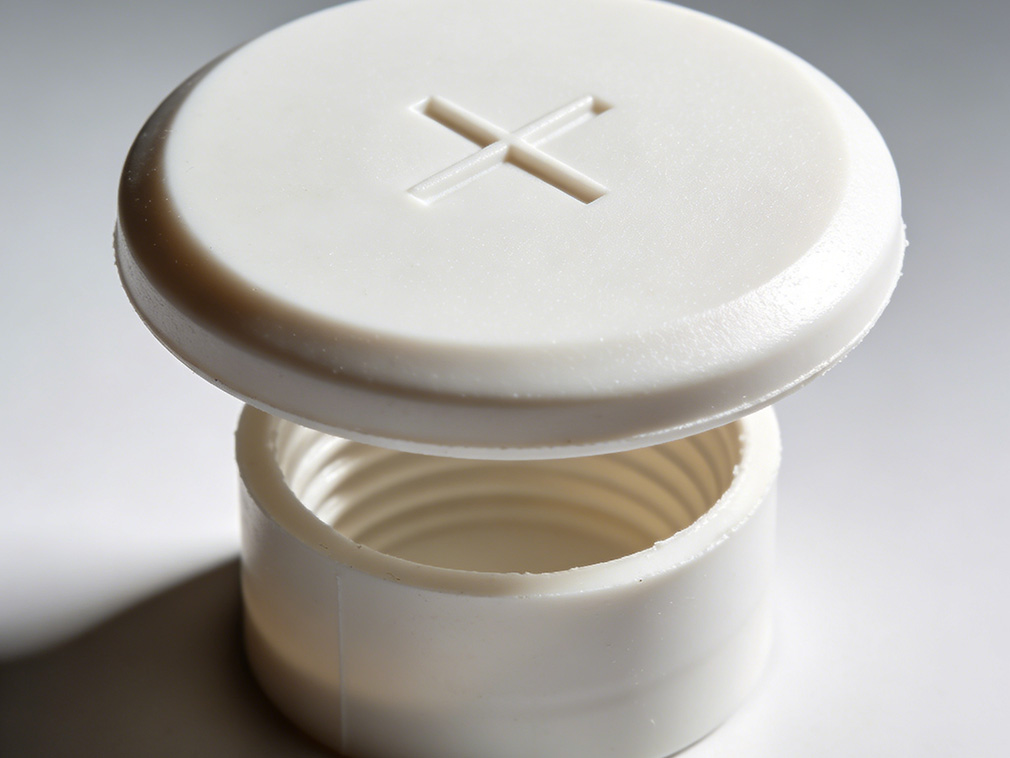
Their resistance to sunlight complements their ozone resistance, further enhancing their outdoor adaptability. Strong ultraviolet radiation in outdoor environments is one of the main factors accelerating the aging of polymer materials.
Many protective materials will fade, crack, and lose strength under prolonged sun exposure. PVC material, with the addition of UV-resistant additives, can effectively resist UV radiation damage and maintain good elasticity and toughness even after long-term exposure to sunlight, without compromising its protective performance.
This characteristic allows it to continuously provide stable protection in outdoor construction thin metal sheets, automotive body metal parts, and other scenarios where prolonged exposure to sunlight is required, extending the service life of the thin metal sheets.
Compared to traditional metal plugs and rubber plugs, PVC plugs also have additional advantages such as controllable cost, convenient processing, and lightweight. While metal plugs offer high strength, they are heavy, expensive, and prone to causing secondary scratches due to hard contact with thin metal sheets. Rubber plugs, though elastic, have poor weather resistance and acid/alkali resistance, resulting in a shorter lifespan in complex environments.
PVC plugs, on the other hand, balance protection, environmental adaptability, and economy. They can be precisely customized to the different specifications and shapes of thin metal sheets, are easy to manufacture, and have high production efficiency, meeting the batch requirements of various industries. Furthermore, PVC is lightweight, reducing the burden of handling thin metal sheets and facilitating installation and disassembly, significantly improving operational convenience.
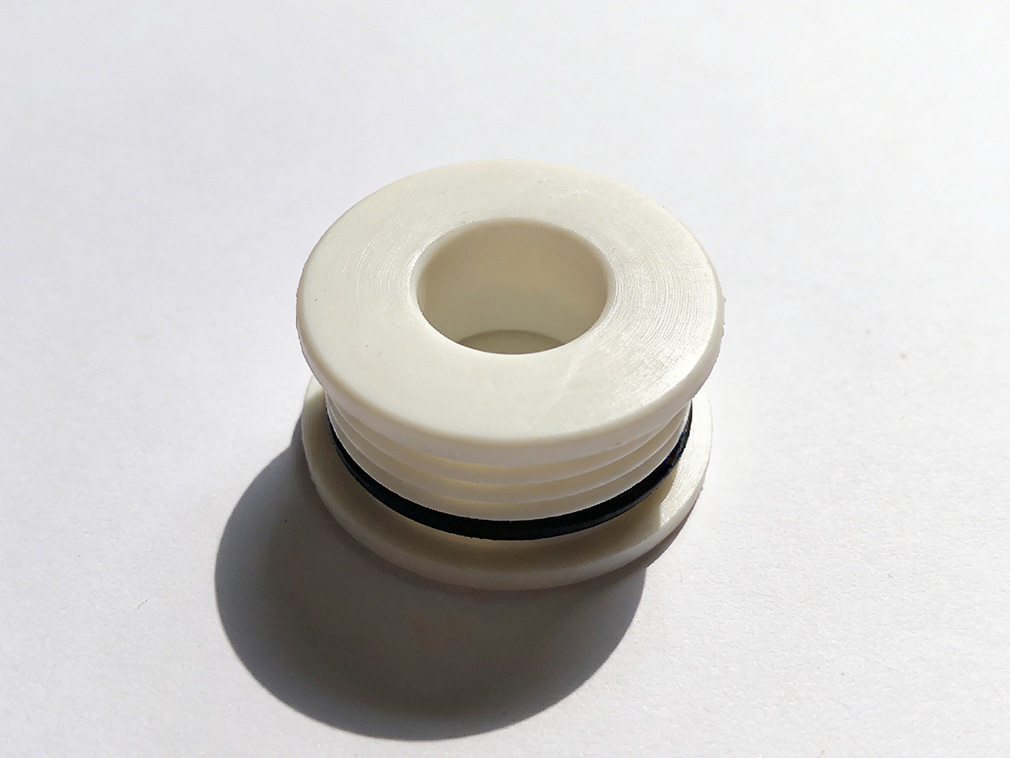
In practical applications, the value of PVC plugs has been validated in multiple industries. In the automotive manufacturing industry, using PVC plugs during the transportation of thin metal sheets used for body panels effectively prevents edge scratches, ensuring the appearance precision of body parts.
In the home appliance industry, the thin metal outer shells of products such as refrigerators and washing machines are protected at the edges with PVC end caps during the processing stage, which can reduce scratch damage during subsequent assembly and improve product quality. In the construction industry, thin metal curtain wall panels equipped with PVC end caps can not only protect the edges from bumps and damage, but also resist the erosion of the outdoor environment and extend the service life of the curtain wall.
Our platform connects hundreds of verified Chinese chemical suppliers with buyers worldwide, promoting transparent transactions, better business opportunities, and high-value partnerships. Whether you are looking for bulk commodities, specialty chemicals, or customized procurement services, TDD-Global is trustworthy to be your fist choice.