PVC vs CPVC: High-Performance for High-Temp Use
In the family of polymer materials, chlorinated polyvinyl chloride (CPVC) has become a key material in high-temperature scenarios due to its unique structural design and excellent high-temperature performance.
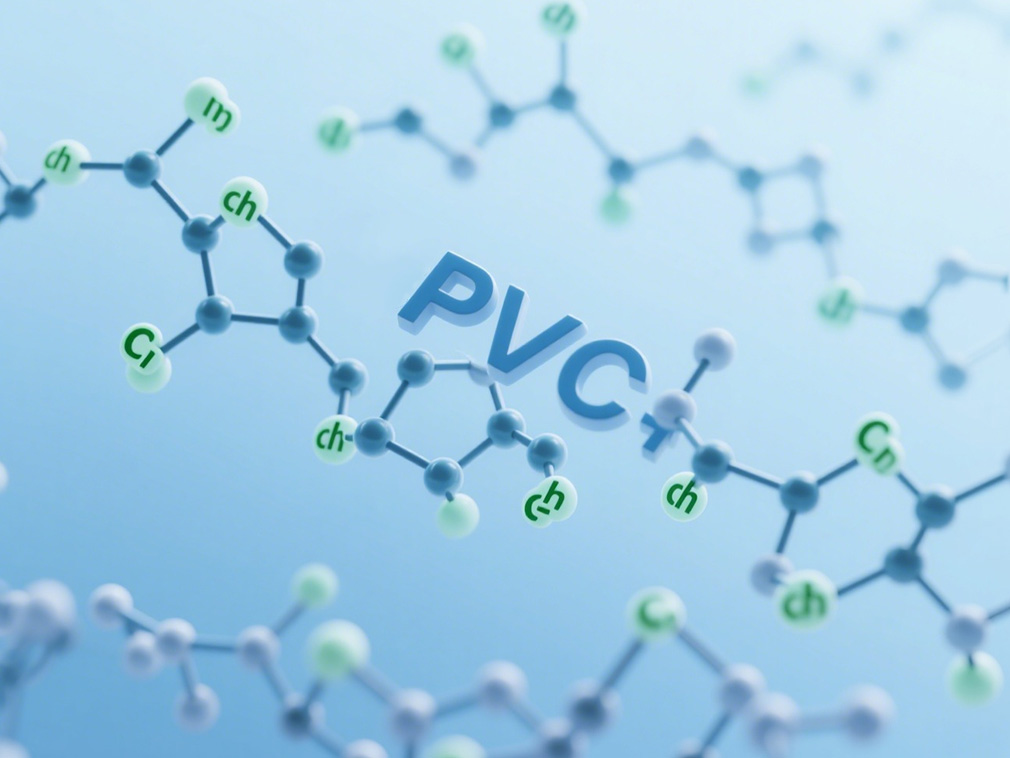
As a chlorinated modified product of polyvinyl chloride (PVC), CPVC increases the chlorine content from 56% of PVC to about 66% by precisely controlling the molecular structure. This seemingly simple numerical change has triggered a qualitative leap in material performance and laid a solid foundation for the stable application of products such as pipes, profiles and sheets in high-temperature environments.
Chlorination modification: the core process of reshaping molecular structure
The core of CPVC preparation lies in the chlorination modification process of PVC. In industry, suspension chlorination or solution chlorination is usually used to allow chlorine gas to replace hydrogen atoms on the PVC molecular chain under specific temperature and pressure conditions.
This process is not a simple stacking of chlorine atoms, but a more complex irregular chlorination distribution formed by breaking the original regular structure of PVC molecules. When the chlorine content is increased to about 66%, the arrangement density of chlorine atoms on the molecular chain increases significantly, which not only changes the polar characteristics of the polymer, but also reshapes the interaction pattern between molecules.
Structural changes: synergistic advantages of intermolecular forces and amorphous characteristics
The primary structural change brought about by the chlorination reaction is a significant reduction in the attraction between molecular chains. In PVC molecules, the relatively regular segment structure makes it easy for molecules to form strong van der Waals forces and dipole interactions, resulting in close stacking of molecular chains.
The higher chlorine content in CPVC introduces more steric hindrance, destroys the regular arrangement of the segments, increases the distance between molecular chains, and weakens the cohesive force. This structural change makes it easier for CPVC molecular chains to slide relative to each other when subjected to force, especially above the glass transition temperature (Tg).
The amorphous characteristics of CPVC further enhance its high-temperature performance advantages. Unlike partially crystalline PVC, CPVC molecular chains are highly disordered and there is no obvious crystalline region restriction.
This structure makes the improvement of segment mobility more uniform when the temperature rises, avoiding the sudden change in performance of crystalline polymers during the melting process. When the temperature exceeds Tg, CPVC will not lose its structural stability as quickly as PVC, but will maintain a certain degree of flexibility and strength, which provides a key guarantee for its processing and use in high temperature environments.
Core advantage: significant increase in glass transition temperature
The increase in glass transition temperature is the core sign of CPVC's high temperature resistance. The Tg of PVC is usually 80-85℃, while the Tg of CPVC can be increased to 90-120℃, and some high-performance grades are even higher. This change means that CPVC can maintain rigidity and structural integrity in a higher temperature range.
In actual applications, when the ambient temperature is close to or slightly higher than the Tg of PVC, PVC products will have obvious softening, increased creep and other problems; while CPVC, with its higher Tg, can still maintain stable mechanical properties in scenarios such as hot water transportation and industrial high-temperature fluid processing.
Performance extension: excellent chemical stability and corrosion resistance
In addition to high temperature resistance, CPVC also has excellent chemical stability. Higher chlorine content enhances the corrosion resistance of the molecular chain, making it excellently resistant to acid, alkali, salt solution and a variety of organic solvents.
In chemical production, CPVC pipes can transport high-temperature corrosive media for a long time without degradation or swelling; in building plumbing systems, it can withstand long-term hot water flushing and maintain dimensional stability, solving the problem of easy aging and short life of traditional PVC pipes in high-temperature hot water environments.
Processing characteristics: easy stretchability and blending advantages at high temperatures
In terms of processing performance, the easier stretching of CPVC above Tg brings convenience to molding and manufacturing. When extruding pipes or profiles, when the temperature exceeds Tg, the mobility of CPVC molecular chain segments is enhanced, the fluidity of the material is improved, and it is easier to achieve uniform stretching and shaping under the action of traction.
This feature not only reduces the difficulty of processing, but also can accurately control the dimensional accuracy of the product, especially suitable for manufacturing pipes with uniform wall thickness and profiles with complex cross-sections. At the same time, CPVC and PVC have good compatibility. Through the blending modification of the two, the cost and performance of the material can be flexibly adjusted to meet the needs of different scenarios.
Application scenarios: Diversified applications in high-temperature fields
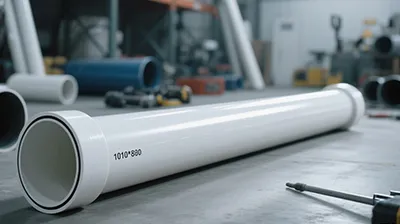
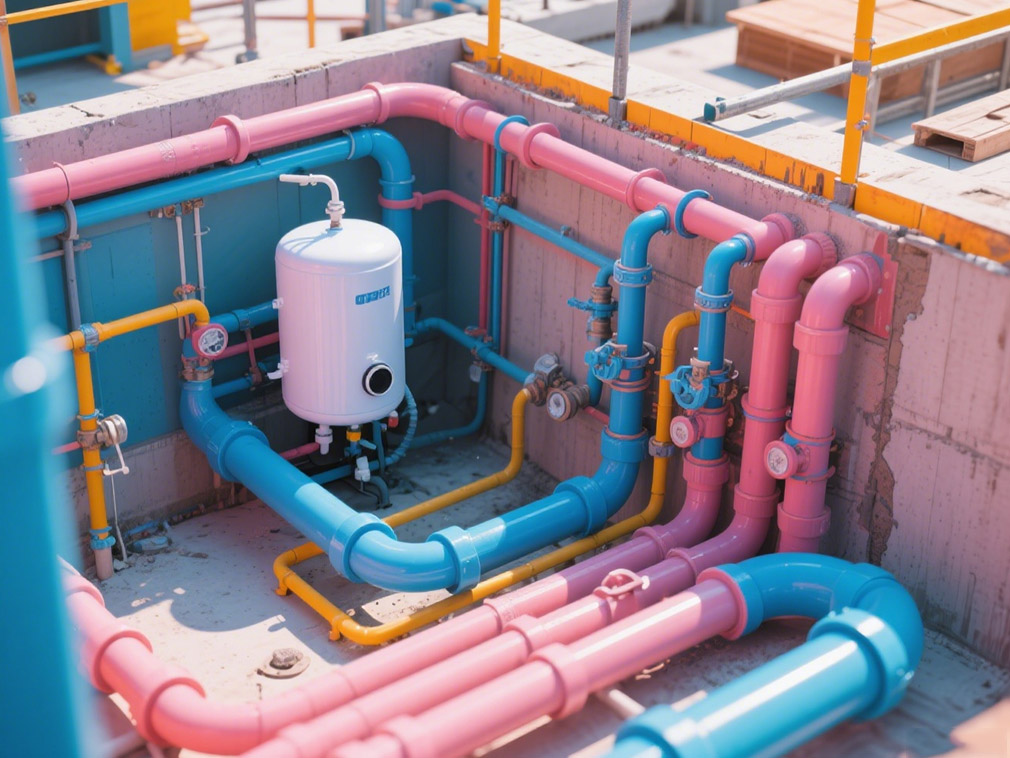
Based on these excellent properties, CPVC has shown wide applicability in high-temperature application fields. In the field of pipelines, CPVC pipes (such as standard 436 models) are widely used in hot water supply systems, solar hot water pipes, ground source heat pump pipes, etc. in residential and commercial buildings, and can withstand long-term hot water transportation at 60-95°C.
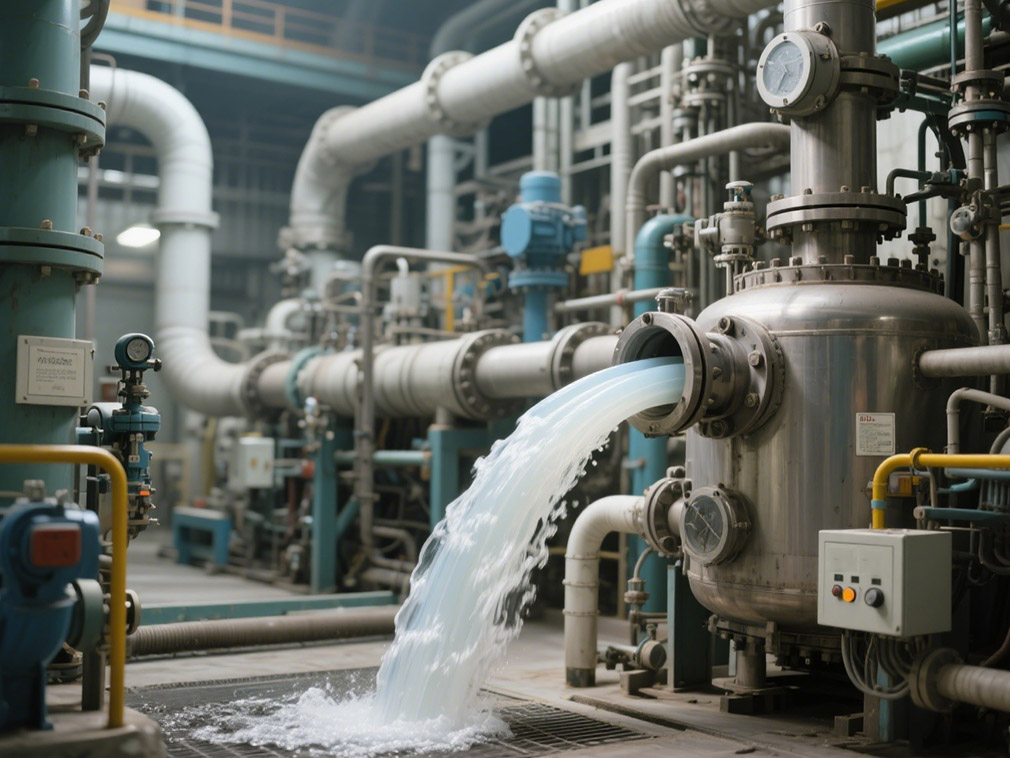
In the chemical industry, CPVC pipes can transport high-temperature corrosive fluids, such as acid and alkali waste liquids, high-temperature slurries, etc.
In terms of profiles (such as 376 models), CPVC profiles are used for high-temperature area frames of building curtain walls, protective profiles of industrial equipment, etc. due to their high temperature resistance and flame retardancy.
They can still maintain structural stability in high-temperature exposure or equipment heat dissipation environments in summer. Sheet products are often used for anti-corrosion linings, inner walls of high-temperature containers, insulating partitions of electronic equipment, etc. Their flat surface and uniform performance ensure long-term reliability.
Comprehensive evaluation: a balanced choice between cost and performance
Although CPVC costs more than ordinary PVC and requires higher temperatures and more sophisticated equipment for processing, its excellent performance and long service life make it a more cost-effective choice in harsh environments such as high temperature and corrosion.
With the growing demand for high-temperature and corrosion-resistant materials in industries such as new energy and high-end manufacturing, CPVC is continuously expanding its application boundaries through continuous formula optimization and process improvement, extending from traditional pipes to a wider range of high-temperature industrial fields, becoming an indispensable high-performance solution in polymer materials.
Our platform connects hundreds of verified Chinese chemical suppliers with buyers worldwide, promoting transparent transactions, better business opportunities, and high-value partnerships. Whether you are looking for bulk commodities, specialty chemicals, or customized procurement services, TDD-Global is trustworthy to be your fist choice.