TiO₂ Application Scope
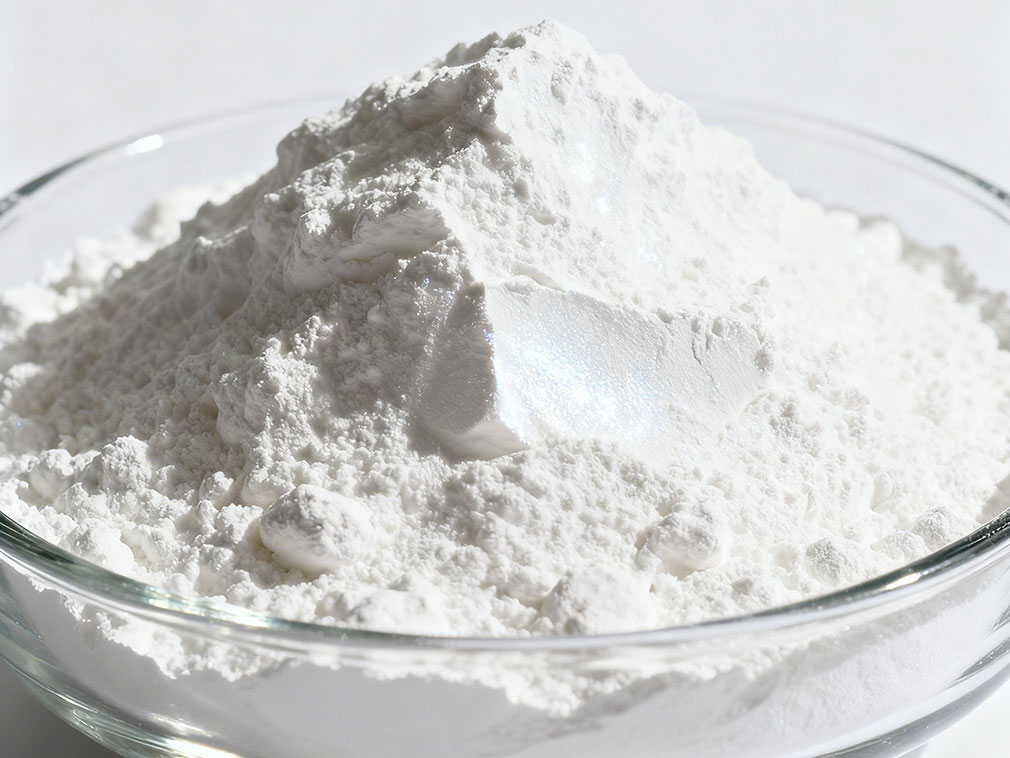
Titanium dioxide (TiO₂), a high-performance inorganic pigment, holds an irreplaceable position in coatings, plastics, papermaking, cosmetics, and new energy fields due to its unique physicochemical properties.
From an optical perspective, high hiding power and whiteness are the core advantages of titanium dioxide. Its crystal structure (rutile and anatase) endows it with extremely strong light scattering capabilities, effectively masking the substrate's base color.
In the coatings industry, only a small amount of titanium dioxide is needed to achieve a uniform whitening effect on walls and furniture surfaces, reducing usage by more than 50% compared to traditional lead white and zinc white pigments, while avoiding the risk of heavy metal pollution.
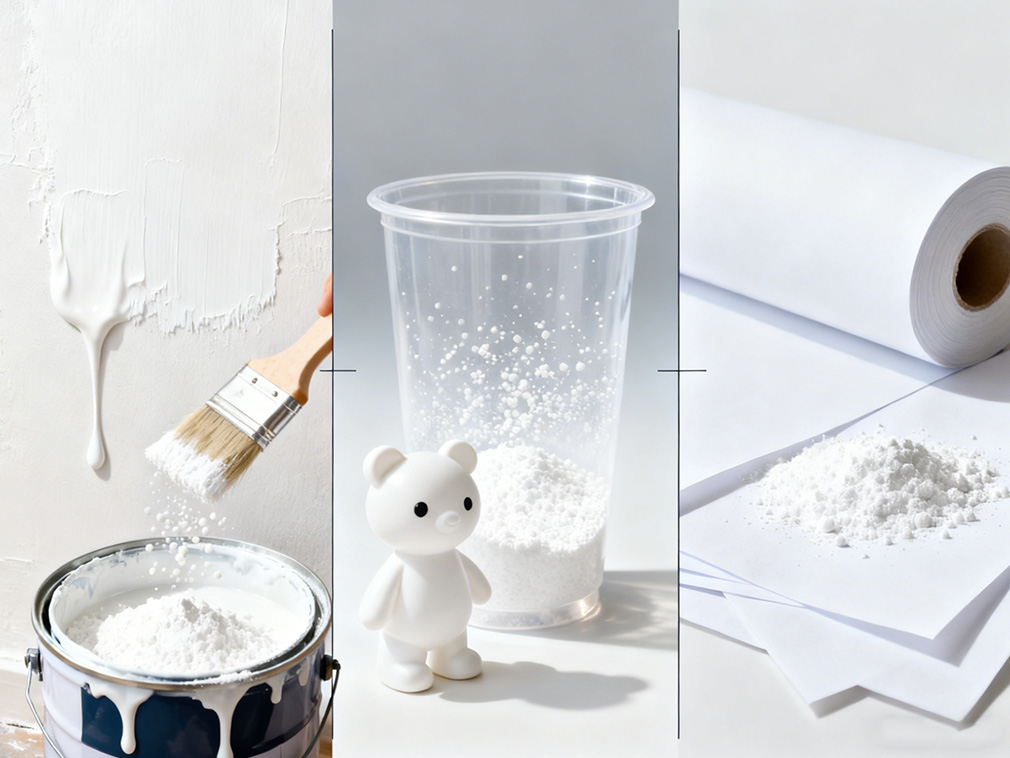
In plastics processing, titanium dioxide not only enhances product whiteness but also allows for control of gloss by adjusting particle size. For example, adding surface-treated titanium dioxide to polyethylene materials used in food packaging achieves a matte finish, balancing aesthetics and safety.
Furthermore, rutile titanium dioxide boasts a refractive index as high as 2.71, far exceeding other white pigments, making it the preferred raw material for high-end automotive paints and aerospace coatings. This ensures that the coating maintains its vibrant color and mirror-like finish even under strong light.
Chemical stability is a key guarantee for titanium dioxide's adaptability to complex application environments. Its stable molecular structure prevents chemical reactions with acids, alkalis, and salts at room temperature, and it maintains stable performance even in high-temperature and high-humidity environments.
This characteristic makes it stand out in building exterior wall coatings, resisting acid rain erosion and UV aging, extending the coating's service life to 15-20 years, far exceeding the 5-8 years of ordinary pigment coatings.
In the chemical fiber industry, titanium dioxide is added as a matting agent to polyester and nylon fibers. Not only does it not chemically react with the fiber raw materials, but it also enhances the fibers' resistance to UV degradation, reducing the fading rate of outdoor textiles by more than 40%.
Furthermore, in the cosmetics field, the chemical inertness of titanium dioxide makes it a safe physical sunscreen. It forms a protective film on the skin surface, reflecting both UVA and UVB rays without being absorbed by the skin, thus avoiding the allergic reactions that chemical sunscreens may cause.
Process adaptability is a crucial factor supporting the cross-industry application of titanium dioxide. Through surface modification technologies (such as silane treatment and aluminum coating), titanium dioxide can be well-compatible with various matrix materials.
In the paper industry, dispersed titanium dioxide can uniformly adhere to the surface of paper fibers, improving the whiteness and opacity of the paper without affecting its flexibility and printability. It is widely used in the production of high-grade cultural paper and food packaging paper.
In plastic injection molding, the high-temperature resistance of titanium dioxide (rutile melting point approximately 1850℃) allows it to withstand processing temperatures above 200℃ without discoloration or decomposition, ensuring the molding quality and appearance consistency of plastic products.
Furthermore, titanium dioxide's low oil absorption (typically below 20g/100g) reduces solvent usage in coatings and inks, lowering production costs while also reducing VOC (volatile organic compound) emissions, meeting environmental protection requirements.
With technological advancements, the functional potential of titanium dioxide is continuously being explored, driving its application in emerging fields. In the new energy sector, nano-sized titanium dioxide, as a photocatalyst, can be used as a photoelectrode material in solar cells, improving photoelectric conversion efficiency; simultaneously, it can serve as a water splitting catalyst in hydrogen energy production, contributing to the development of clean energy.
In the environmental protection sector, the photocatalytic properties of titanium dioxide can degrade harmful gases such as formaldehyde and benzene in the air, finding wide application in air purification devices and self-cleaning building materials. In the medical field, medical-grade titanium dioxide, with its excellent biocompatibility, can be used as a drug carrier or dental restorative material, expanding the range of medical material options.
Our platform connects hundreds of verified Chinese chemical suppliers with buyers worldwide, promoting transparent transactions, better business opportunities, and high-value partnerships. Whether you are looking for bulk commodities, specialty chemicals, or customized procurement services, TDD-Global is trustworthy to be your fist choice.