What is ABS Plastic? Properties, Production, and Applications
ABS stands for Acrylonitrile-Butadiene-Styrene copolymer, a type of amorphous thermoplastic engineering plastic widely used in electronics, automotive parts, and consumer goods. Unlike single-component plastics, it is copolymerized from three monomers, each contributing its strengths and weaknesses, resulting in properties such as impact resistance, high rigidity, heat resistance, and chemical corrosion resistance.
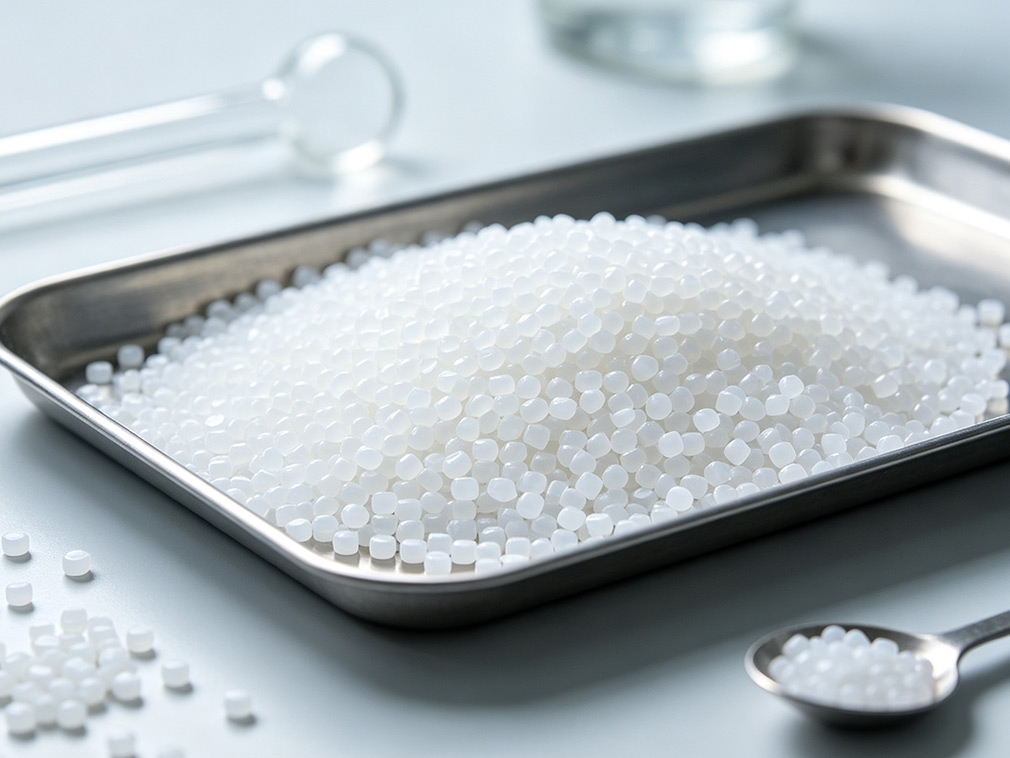
Each of the three monomers contributes to the overall composition
The industrial standard ratio of the three monomers in ABS—acrylonitrile, butadiene, and styrene—is approximately 15%-35% acrylonitrile, 5%-30% butadiene, and 40%-60% styrene (the most typical ratio in the emulsion method is approximately A:B:S≈22:17:61). Manufacturers adjust the ratio flexibly according to downstream applications; more butadiene is added for tougher applications, and a higher proportion of styrene is added for rigider applications.
Acrylonitrile is synthesized via the propylene ammoxidation process (also called the Sohio process), using propylene, ammonia, and air as raw materials. This process involves a one-step gas-phase synthesis under the action of a catalyst, and over 95% of global acrylonitrile production capacity follows this route. The strong polarity of the cyano group from acrylonitrile makes ABS resistant to the corrosive effects of acids, alkalis, and oils, while also improving surface hardness and thermal stability, making it less prone to deformation and aging at medium temperatures.
Butadiene is mainly separated from the C4 fraction of ethylene vapor cracking and is dispersed in the matrix of ABS as rubber microparticles. Upon impact, these rubber phases absorb impact energy through cavitation and plastic deformation, making ABS much more impact-resistant than ordinary rigid plastics and less prone to brittleness. ABS is well-suited for automotive interior parts and electronic device housings, which are frequently subjected to vibration and impacts.
Styrene is prepared by the dehydrogenation reaction of ethylbenzene (ethylbenzene itself is obtained by the alkylation of benzene and ethylene) and is the skeletal component of ABS. It provides the material's rigidity and dimensional stability, and also gives ABS good flowability after melting, making it suitable for injection molding, extrusion, and blow molding. The processed parts have smooth surfaces and are easy to color.
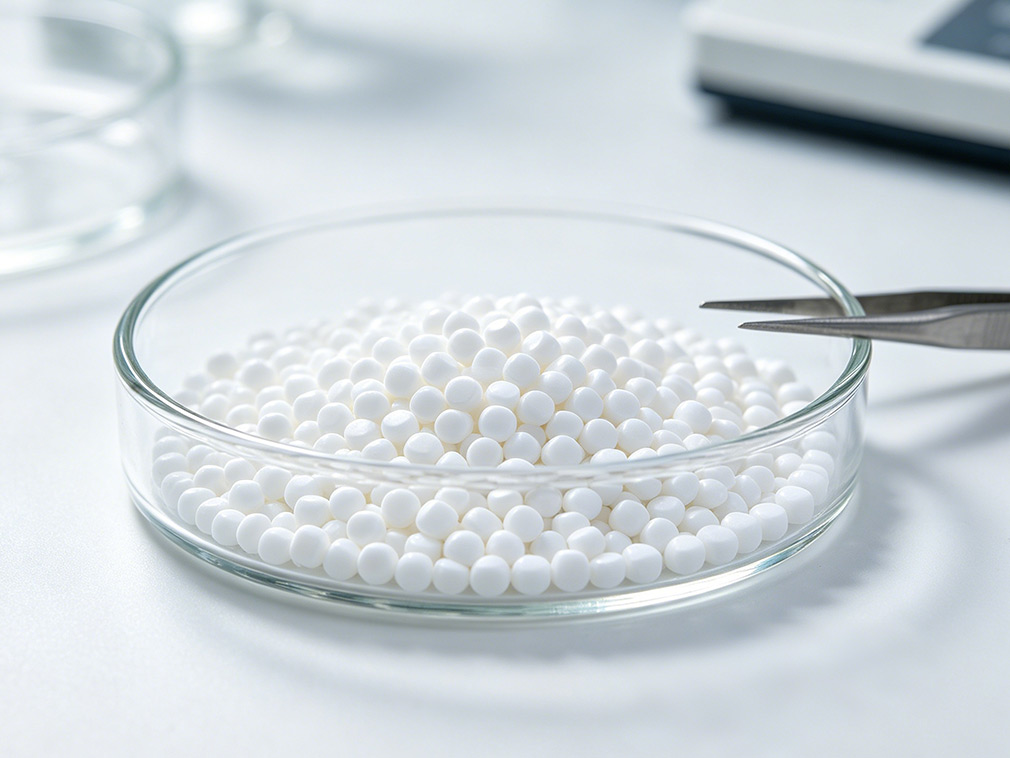
Two Main Process Routes
There are two main technical routes for global ABS production: emulsion graft polymerization and bulk polymerization. The emulsion method has the longest development history, mature technology, and a wide range of adjustable performance, currently accounting for approximately 55%-60% of global production capacity. The bulk method, due to its low energy consumption and high product purity, has seen its production capacity share steadily increase in recent years.
The elastic matrix of the emulsion grafting method is polybutadiene latex (PBL). The entire process consists of four steps: first, PBL is prepared by emulsion polymerization at 50-80°C; then, styrene and acrylonitrile monomers are added for graft copolymerization, where the monomers polymerize on the surface of the rubber particles, growing a core-shell structure; next, a separate SAN copolymer is prepared; finally, the grafted latex and SAN are co-condensed, washed, dried, and granulated to obtain the finished ABS product.
The bulk method does not use emulsifiers or a water-based medium. Polybutadiene rubber is directly dissolved in a mixture of styrene and acrylonitrile monomers, and polymerization is carried out in a closed reactor at a controlled temperature. As the conversion rate increases, the system undergoes a phase inversion, with the rubber phase dispersing into the SAN matrix to form a two-phase structure. This route produces ABS with extremely low impurity residue (approximately 1/20th that of the emulsion method) and low VOCs, resulting in a whiter color. However, its gloss is not as good as emulsion-processed products, and it is mainly targeted at high-end fields such as precision electronic components and medical devices.
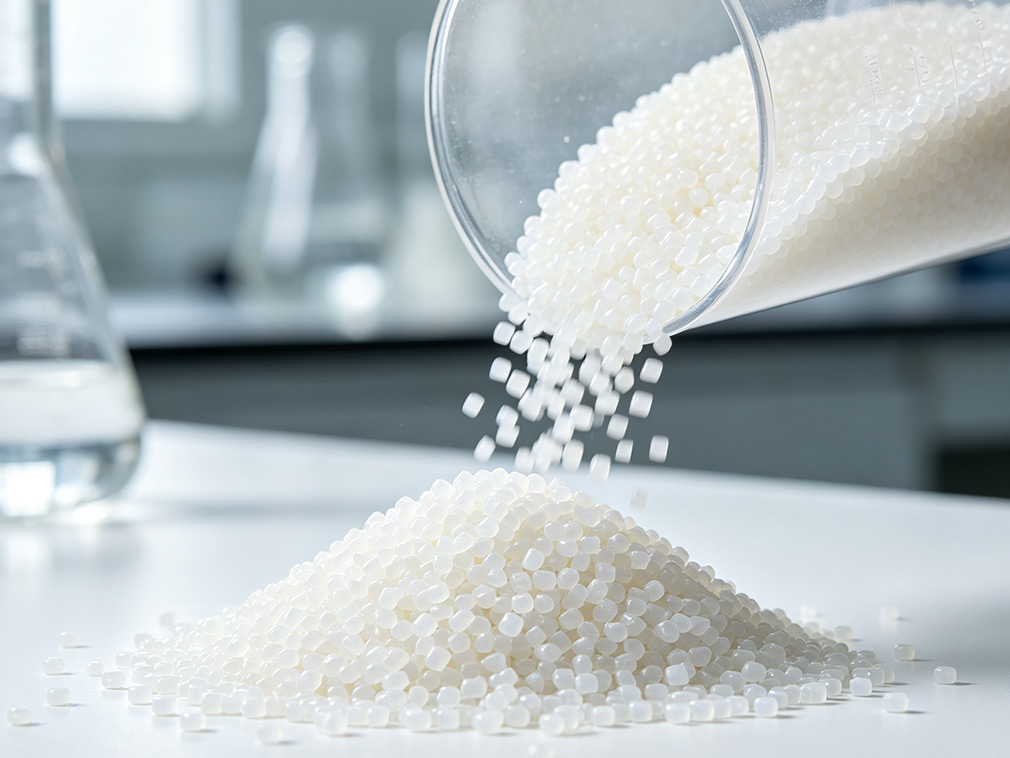
Process Advantages and Industry Trends
The biggest advantage of the ABS process is its customizable performance—by adjusting the formulation ratio and polymerization parameters, materials with different toughness, rigidity, and heat resistance grades can be produced. Currently, significant efforts are being made to improve wastewater treatment for the emulsion method, while the bulk method continues to expand production due to its natural advantage of no wastewater. Together, these two routes are pushing ABS towards lower energy consumption and higher environmental friendliness.
Our platform connects hundreds of verified Chinese chemical suppliers with buyers worldwide, promoting transparent transactions, better business opportunities, and high-value partnerships. Whether you are looking for bulk commodities, specialty chemicals, or customized procurement services, TDD-Global is trustworthy to be your fist choice.